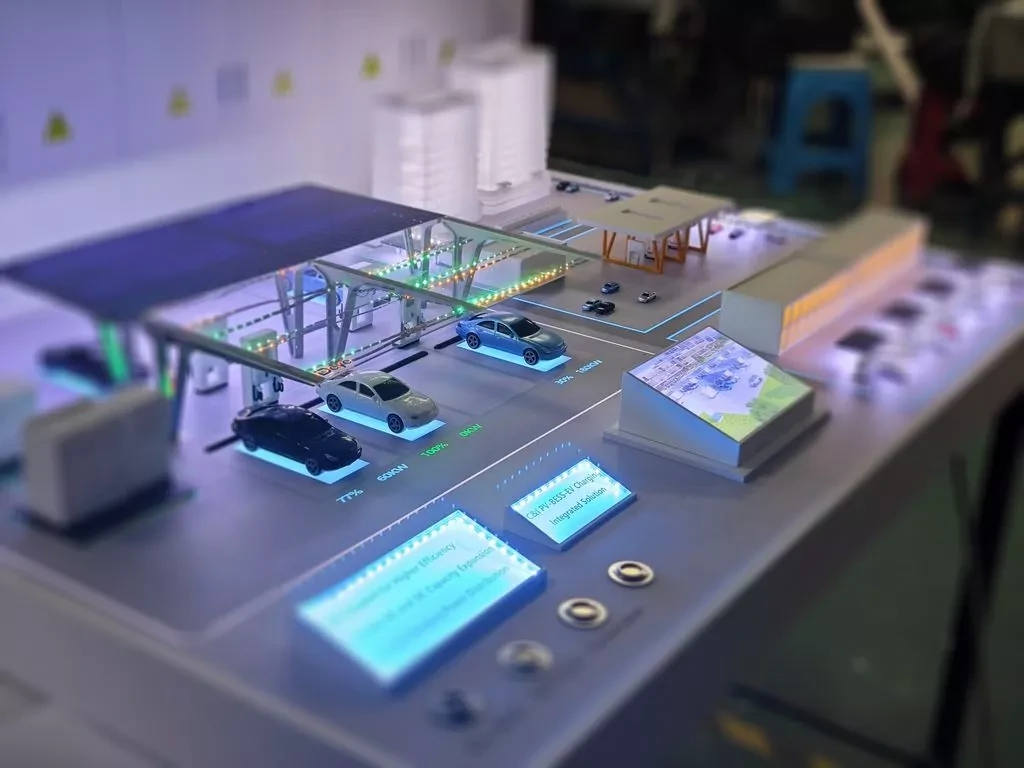
Custom Engine Scale Models: Professional Production for Education, Industry & Collecting
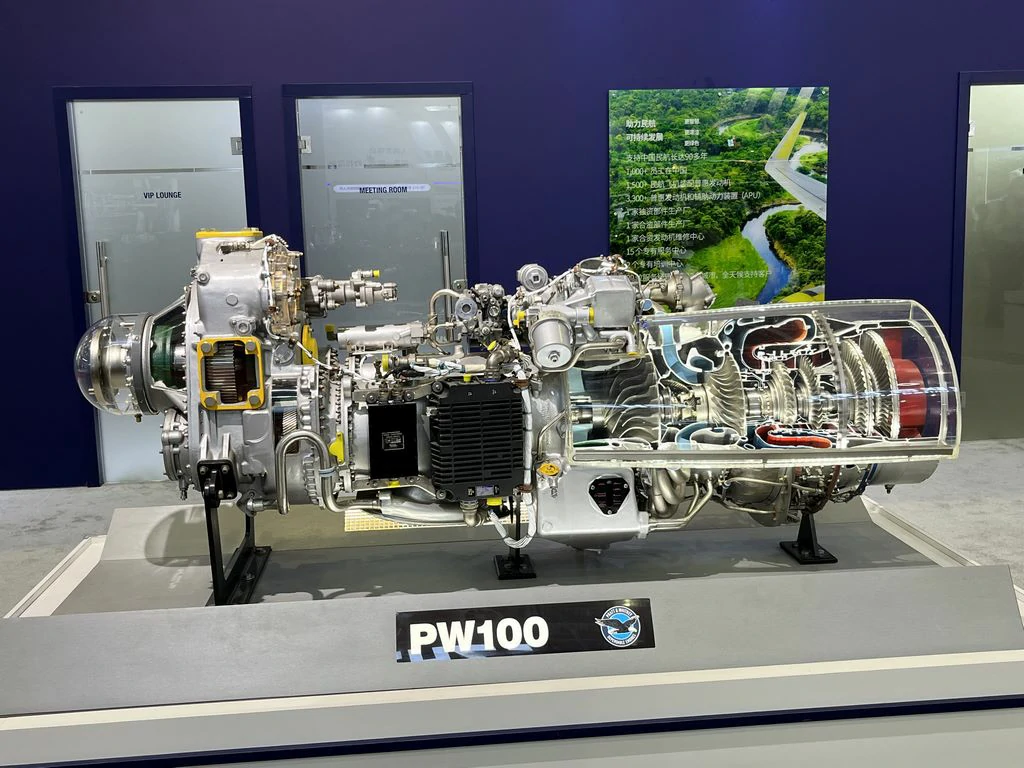
Explore our expertise in custom engine scale model production. We specialize in creating highly detailed, dynamic representations of engines (gasoline, diesel, new energy motors) scaled between 1:5 and 1:20. Our process integrates scale model creation with advanced techniques like 3D printing model for intricate parts, industrial model manufacturing, manual finishing, and dynamic simulation, resulting in accurate replicas of core engine components and functional work cycles.
1. Understanding Engine Model Production
Engine model making goes beyond static displays. It’s about creating scale model replicas that faithfully represent engine structure and function. Our process involves:
- Scaled Replication: Building three-dimensional models of various engines (passenger car, commercial vehicle, aviation, new energy) at precise scale ratios.
- Mechanical Integration: Combining 3D printing model components with traditional manufacturing methods (CNC machining, metal/plastic working) to ensure accuracy and functionality.
- Dynamic Simulation: Incorporating moving parts (pistons, crankshafts, camshafts) linked by mechanical assemblies to simulate engine operation, demonstrating the “refined structure” and “visual working principle.”
- Functional Focus: Key features include simulating piston reciprocation, crankshaft rotation, valve operation, and even advanced functions like fuel injection and ignition in premium models. These scale model representations are vital for mechanical engineering education, automotive technology demonstrations, collections, and science exhibits.
Production Scope & Application:
- Model Types: We produce scale model replicas ranging from single core components (cylinder block, piston) to complete powertrains including gearboxes and cooling systems.
- Target Audiences: Models are designed for vocational schools, automotive manufacturers, engine OEMs, individual collectors, and science centers.
- Technological Integration: Our industrial model production leverages internal combustion engine principles, mechanical transmission, metal/plastic processing, and coating/simulation technologies to deliver accurate, functional, and visually appealing scale models that bridge theory and practical understanding.
2. Frequently Asked Questions (FAQs)
Q1: How do you ensure both internal structural accuracy and effective dynamic working cycle demonstration in engine scale model production?
A: Our core approach is “Structure as Foundation, Action as Soul,” meticulously based on the true engine working principle. We achieve high accuracy (dimensional tolerances within ±0.3mm for critical parts like crankshafts) and strong demonstration functionality through:
* Precision Engineering: Using official engine drawings and 3D data to replicate key dimensions (piston stroke, valve clearance).
* Transmission Optimization: Employing micro-precision gear sets and connecting rod mechanisms to accurately replicate the piston-crankshaft linkage, ensuring smooth operation and correct cycle rhythm (four-stroke simulation).
* Strategic Simplification: Focusing on core moving parts and omitting non-essential internal details to maintain clarity and avoid visual clutter.
* Transparent Design: Utilizing partially hollow or transparent sections (e.g., cylinder heads) with LED indicators to visualize internal movement.
Q2: How do you select materials and processes for different model types (teaching, collection, exhibition) while controlling production costs?
A: We implement a “Scenario Adaptation + Graded Process Control” strategy:
*   **Material Selection:**
    *   *Teaching Models:* Focus on durability for repeated disassembly/reassembly. Core moving parts (crankshaft, connecting rod) are often wear-resistant alloy steel; cylinder blocks/heads are durable ABS or aluminum alloy.
    *   *Collection/Exhibition Models:* Prioritize appearance and detail. Cylinder blocks/heads may be precision-machined aluminum, with surface treatments (anodizing, simulated coatings); non-stress parts are high-detail resin.
*   **Process Control:**
    *   *Basic Teaching Models:* Use cost-effective processes like "CNC cutting + manual assembly" for core components.
    *   *High-End Collectible Models:* Employ targeted **3D printing model** and precision carving to restore details, focusing this advanced work only where needed to avoid overall cost escalation.
    *   **Material Optimization:** Substitute non-critical metal parts with robust engineering plastics where feasible, maintaining performance without increasing material costs unnecessarily.
Q3: How do you select and integrate the dynamic system and circuit modules for new energy scale models to ensure long-term reliability and safety?
A: We apply a “Scenario Adaptation Selection + Full-Process Safety Design” methodology:
*   **Drive System (e.g., for EV/HEV models):**
    *   Select components compatible with new energy characteristics (fans, actuators).
    *   Utilize low-noise, high-torque micro-DC reduction motors operating at appropriate speeds (e.g., 3-8 RPM).
    *   Employ reduction gear sets for smooth operation and correct scale speed.
*   **Energy Flow/Circuit Simulation:**
    *   Use low-power, safe LED light strips for visual demonstrations.
    *   Integrate dimming modules for adjustable intensity, simulating energy transmission changes.
*   **Safety Focus:** Rigorous design review by mechanical engineers ensures structural integrity and logical transmission, minimizing risks during operation and demonstration.
3. Key Benefits of Engine Model Production
-
Enhanced Teaching & Learning:
- Concrete Visualization: Transforms complex, abstract engine principles (like the four-stroke cycle and power transmission) into tangible, visual demonstrations.
- Improved Efficiency: Reduces cognitive load for learners, accelerates understanding, and provides a safe, low-cost alternative to real engine disassembly. Ideal scale model for mechanical engineering education and vocational training.
-
Effective Technology Promotion & Demonstration:
- Compelling Visuals: Engine companies can showcase product innovations, transmission advantages, and performance efficiency through interactive, dynamic scale model demonstrations.
- Increased Engagement: Offers a far more impactful and memorable experience than static drawings or text, boosting customer understanding and brand recall. Essential industrial model for automotive exhibitions, customer visits, and technology showcases.
-
High Collection & Reuse Value:
- Unique Artifacts: High-precision scale model replicas are collectible items, showcasing intricate engineering and aesthetic detail.
- Versatile Longevity: Suitable for teaching, exhibitions, and personal collections. With proper maintenance, these scale models offer lasting value and can be reused across different contexts.