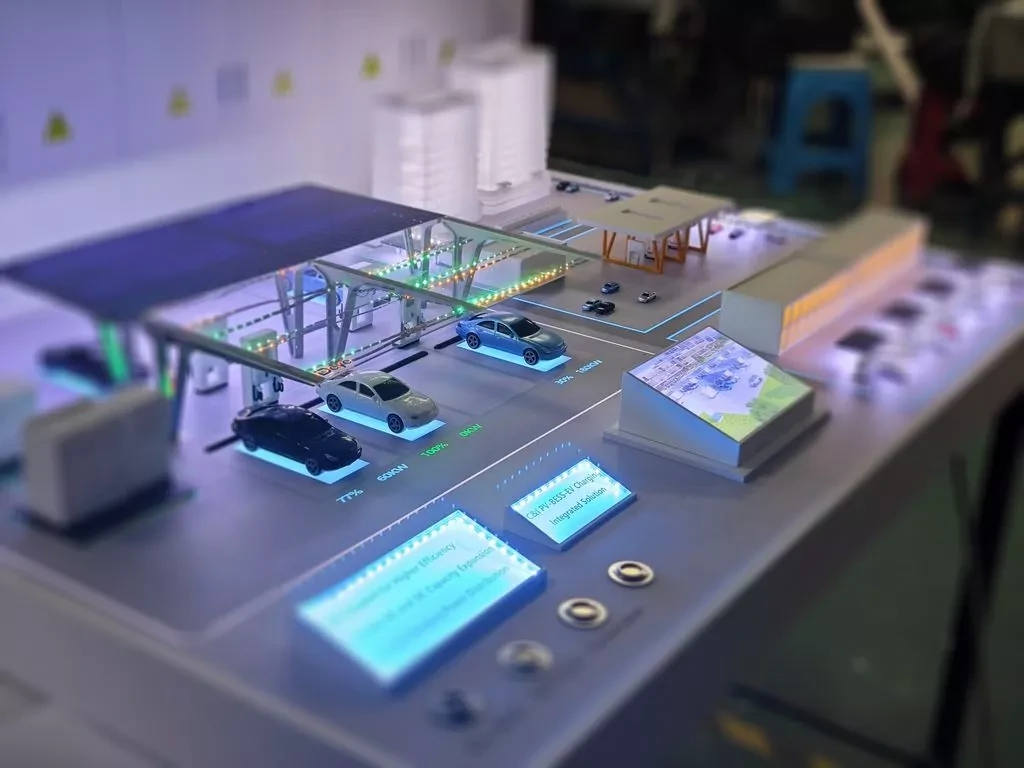
Enterprise Sand Table Models | Strategic Decision-Making Tools
Enterprise Sand Table Models serve as invaluable Strategic Decision-Making Tools, functioning as dynamic simulation environments for complex business scenarios. These models provide a unique microcosm for enterprises, enabling intuitive insights into overall business situations and facilitating effective team collaboration.
Understanding Complex Business with Sand Table Models
In modern enterprise management, Sand Table Models have emerged as a highly intuitive and dynamic simulation tool, increasingly recognized as a crucial Micro Laboratory for strategic planning and execution. By meticulously representing the internal operational dynamics and external competitive landscape in a three-dimensional format, these models allow managers to “rehearse” real business decisions within a controlled virtual environment. This approach significantly reduces the costly trial-and-error inherent in traditional decision-making, thereby improving the quality of strategic choices and enhancing Team Collaboration Efficiency.
The Core Value: Transforming Abstract Strategy into Concrete Reality
The primary advantage of utilizing Sand Table Models lies in their ability to translate abstract management theories and complex business concepts into tangible, visual scenarios. Enterprise managers can construct a comprehensive operational ecosystem by strategically placing miniature props – representing various internal factors (like personnel, technology, and organizational structures) and external elements (such as market dynamics, competitors, and suppliers) – within the sand table.
This transformation offers profound benefits. It provides a much clearer, more intuitive understanding of interdepartmental collaboration and the intricate flow of resources within the enterprise. Simultaneously, it helps identify potential management challenges and inefficiencies before they escalate. Through carefully designed simulation experiments, organizations can test and refine different strategic hypotheses and operational plans in a risk-free setting, leading to the development of more robust and scientifically sound Strategic Decision-Making Tools and long-term development strategies.
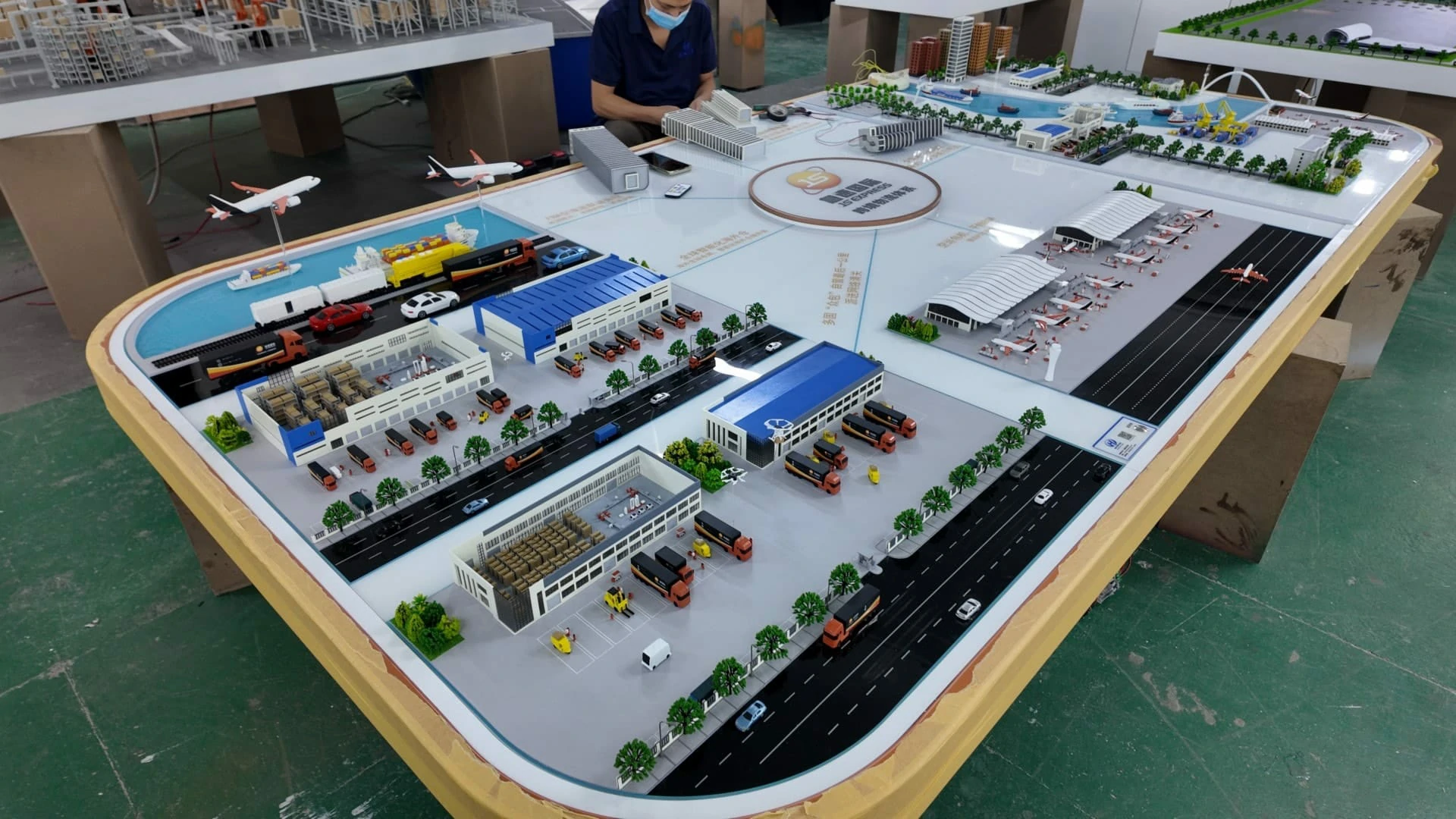
Enhancing Corporate Decision-Making with Simulation
1. Mitigating Decision Risks and Improving Efficiency
Sand Table Models empower businesses to predict the potential outcomes and consequences of specific decisions within a simulated real-world environment. This foresight allows for the identification of potential pitfalls and the development of preemptive countermeasures, significantly mitigating the inherent risks associated with strategic choices.
For instance, companies can simulate the impact of various sales strategies on market share and revenue using competitive elements within the sand table. Similarly, intricate supply chain dynamics can be explored and optimized using dedicated Sand Table Models, ensuring smoother operations and better resource allocation. This capability directly contributes to more prudent Strategic Decision-Making Tools.
2. Improving Decision-Making Efficiency and Quality
In the fast-paced business environment, speed and accuracy are paramount. Sand Table Models equip managers with the ability to quickly analyze complex situations, evaluate multiple options, and make timely decisions within the simulation. This agility helps prevent missed opportunities that can arise from indecision.
Furthermore, the collaborative nature of these simulations fosters diverse perspectives. By visually constructing scenarios and testing solutions together, managers can analyze problems from multiple angles, leading to the convergence of disparate ideas. This process enhances the comprehensiveness and accuracy of final decisions, making the Sand Table Model an indispensable asset for informed Strategic Decision-Making Tools.
The Unique Value in Team Building and Talent Cultivation
Beyond strategic planning, Sand Table Models prove exceptionally effective for organizational development and leadership cultivation.
1. Diagnosing Team Collaboration and Structure
These models excel at revealing underlying team dynamics. Observing how participants allocate roles, compete for resources, or exhibit complementary behaviors during simulations provides invaluable insights into the team’s true power structure, potential communication barriers, and areas of responsibility diffusion.
2. Fostering Strategic Consensus and Alignment
Sand Table Models are powerful tools for visualizing and building strategic consensus. When team members collaboratively construct the “future vision” of the enterprise using sand elements, abstract strategic concepts become tangible symbols. This process illuminates cognitive differences between departments, fostering deeper understanding and promoting alignment towards shared objectives.
3. Developing Leadership and Management Talent
For leadership development, simulated scenarios with resource constraints allow potential leaders to practice integrating diverse opinions, effectively allocating tasks, and managing conflict resolution. These exercises provide a safe environment to observe leadership styles and decision-making processes, offering crucial data for enterprise talent selection and cultivation programs.
Practical Applications and Future Development Trends
The application scope of Sand Table Models is continuously expanding, evolving from traditional physical representations to incorporate advanced technologies.
1. Technological Integration and Enhanced Functionality
Driven by technological advancements, the capabilities of Sand Table Models are constantly evolving. From the initial paper-based or tabletop models to sophisticated 3D physical representations, and now incorporating electronic and virtual elements, these tools are becoming increasingly versatile and powerful. The integration of technologies like 3D Printing Model allows for the creation of highly detailed and customizable components, enhancing the model’s realism and analytical depth.
2. Future Trends: Immersive and Data-Driven Simulations
Looking ahead, the future of Sand Table Models is poised for significant transformation. The integration of VR (Virtual Reality), AR (Augmented Reality), and big data promises unprecedented levels of immersion and interactivity.
- AR Integration: An AR-enhanced sand table could automatically display real-time data (e.g., production capacity, energy consumption, financial metrics) linked to specific components when they are placed or interacted with, fostering data-driven thinking and deeper analytical capabilities among managers.
- AI Integration: The incorporation of artificial intelligence can refine predictive capabilities, making the outcomes of Sand Table Model simulations more accurate and insightful, thereby strengthening their role as predictive Strategic Decision-Making Tools.
Conclusion
As a vital Strategic Decision-Making Tool, the Sand Table Model offers far more than just risk mitigation. It creates a safe space for teams to experiment, innovate, and learn from failures without real-world consequences. In today’s dynamic and competitive market environment, organizations adept at leveraging these tools gain a significant advantage.
By visualizing complex system relationships, revealing unspoken team dynamics, and simplifying intricate business scenarios, Sand Table Models are becoming an indispensable component of enterprise digital transformation and operational excellence. They are not merely planning aids but active micro-laboratories for organizational evolution, providing a unique perspective on the business world and paving the way for sustainable development and competitive advantage.