Architectural Scale Models: The Universal Language for Global Design Success
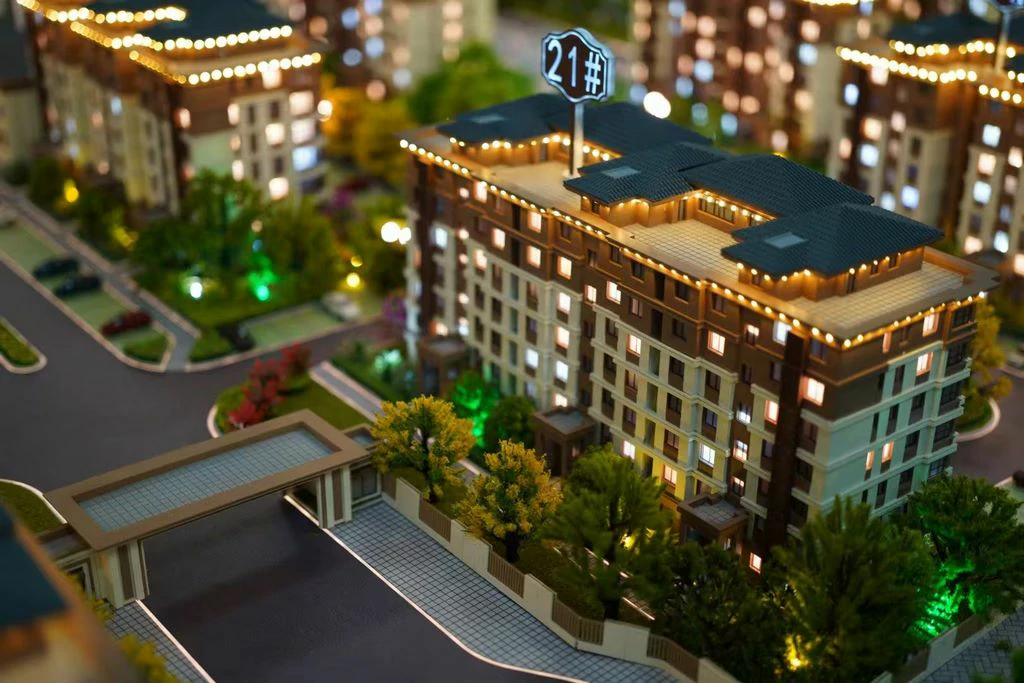
In the global architecture and construction industry, architectural scale models are far more than precise replicas; they are indispensable communication tools. Serving as a universal design language, they transcend language barriers, bridge cultural gaps, and transform abstract concepts into tangible, understandable visions. For international clients, developers, and multi-disciplinary design teams, these physical or digital-physical hybrids are crucial for aligning complex expectations, streamlining critical decision-making, and ensuring project success across borders.
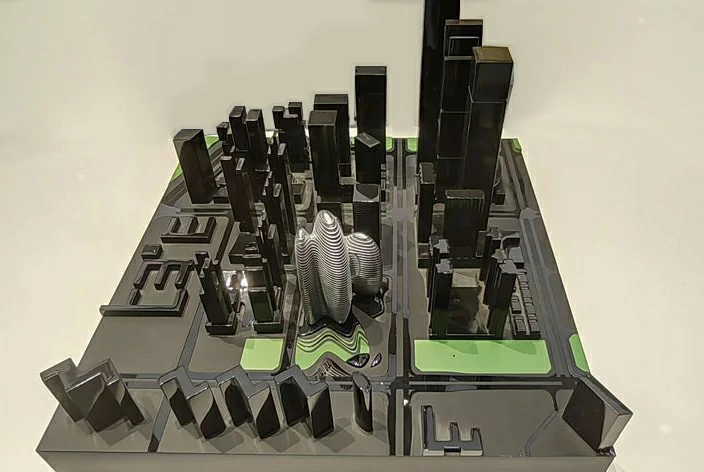
Architectural scale models translate intricate blueprints and sophisticated 3D renderings into intuitive, tactile experiences. Unlike complex digital files that require specific technical expertise to interpret, a well-crafted scale model allows clients and stakeholders to grasp spatial relationships, material textures, and contextual integration at a glance. Whether presenting a high-rise residential tower in Dubai, a mixed-use development in Berlin, or a sustainable campus in Singapore, models help international stakeholders quickly comprehend the design intent without relying on detailed technical knowledge. This immediate clarity is invaluable in cross-border projects, where miscommunication can lead to costly delays or misaligned outcomes.
Beyond simple visualization, architectural scale models are powerful facilitators of collaborative decision-making. A physical model acts as an immediate, common reference point: it enables objective feedback on layout efficiency, aesthetic appeal, and functional feasibility, turning subjective opinions into constructive discussions. For instance, a scale model of a commercial complex can help a European investor understand how the building integrates within an Asian urban context, or assist a local planning board in evaluating compliance with regional design codes – all without the ambiguity of language.
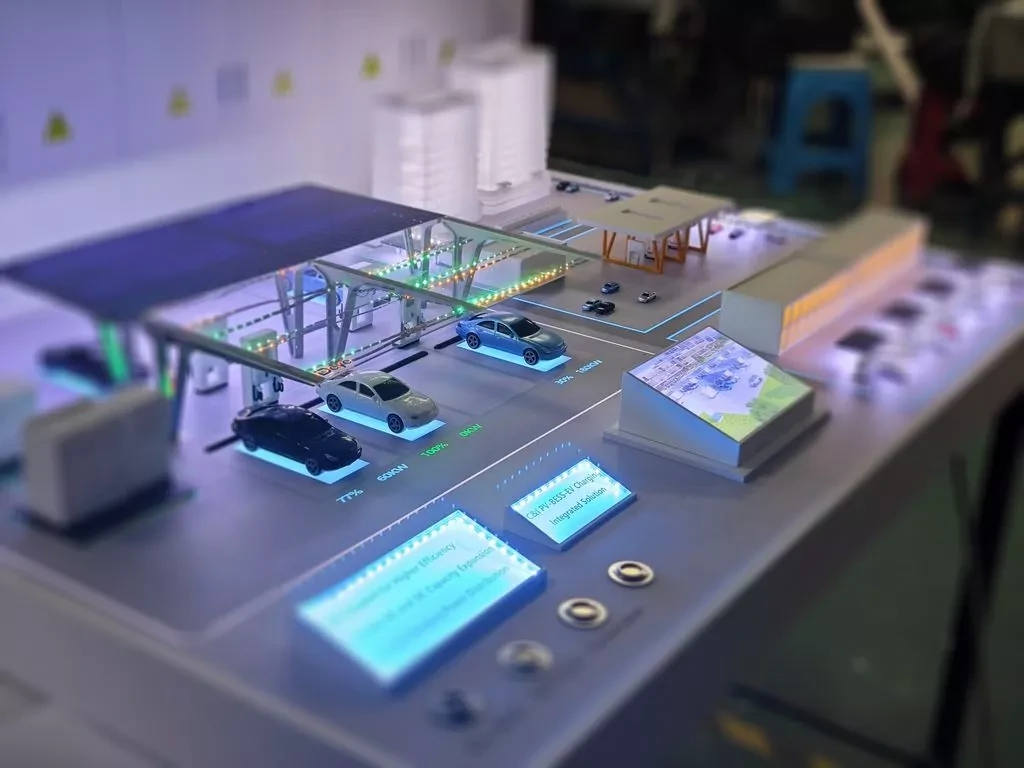
Modern architectural scale models often integrate advanced technology to meet the demands of sophisticated global clients. Combining traditional craftsmanship with techniques like 3D printing model allows for rapid prototyping and intricate detail. Incorporating features such as LED lighting, movable components, and even digital twin integration creates dynamic presentations that highlight key project features: sustainable design elements (like solar panels or green roofs), smart building systems, or simulated traffic flow. For international investors focused on long-term value, these technical enhancements demonstrate a project’s innovation and viability, strengthening confidence in the design’s practicality and market potential.
Furthermore, architectural scale models serve as timeless marketing assets in the competitive global marketplace. They are central to pitch meetings, trade shows, and virtual or physical sales centers, allowing potential clients to “experience” a project before groundbreaking. In international competitions, a meticulously crafted scale model differentiates a proposal by showcasing attention to detail, design excellence, and respect for the specific local context – whether adapting to Mediterranean coastal aesthetics or incorporating Scandinavian minimalism. It transforms abstract promises into tangible proof of quality and execution capability.
While scale models are a primary focus, the broader category includes other physical representations like sand table model presentations, which offer interactive ways to explore site context and spatial relationships, particularly valuable for complex urban interventions. For projects requiring a focus on industrial aspects or technical execution, detailed industrial model representations can be crucial, ensuring all fabrication and assembly processes are clearly understood by all stakeholders, from engineers to fabricators.
Moreover, architectural models, especially sophisticated scale models, are vital tools for understanding and communicating complex industrial model requirements, ensuring that the built form meets the functional needs dictated by the technical specifications. This holistic approach ensures design intent is preserved through the entire development lifecycle.
In an industry where collaboration often spans continents, architectural scale models remain an indispensable tool. They speak a universal language of form, function, and context, fostering trust, clarity, and alignment among global teams. For international clients seeking to turn ambitious visions into reality, a professional architectural scale model, potentially enhanced by 3D printing model techniques or integrated with sand table model interactivity, is not just a replica – it’s a strategic investment in clear communication, effective collaboration, and overall project success.
Whether you’re developing a landmark building, a mixed-use district, or a sustainable community, partnering with experts who understand the nuances of international design expectations and the power of physical representation ensures your model effectively conveys your project’s unique value. In the end, architectural scale models don’t just represent buildings; they build confidence, bridge distances, and turn global dreams into local realities. The right scale model, whether a standard representation or a highly specialized industrial model, is fundamental to navigating the complexities of international architecture.