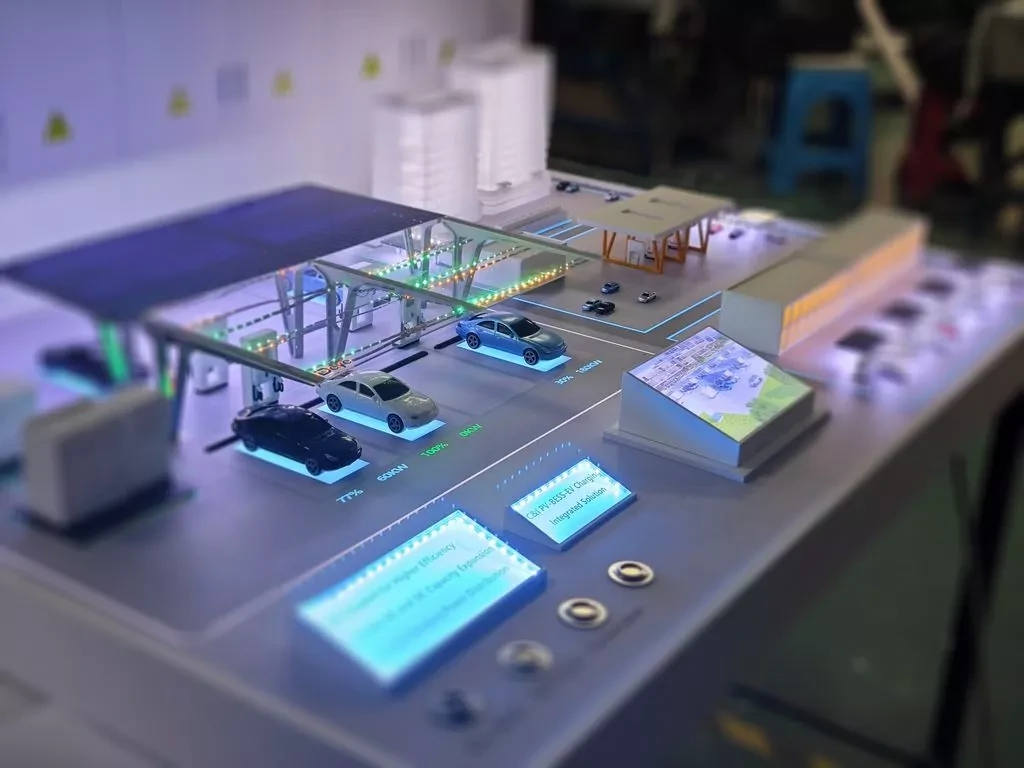
Sand Table Scale Models | Multi-Field Display Solutions
Sand Table Models: Integrating Complexity into Visual Clarity
A sand table model is a sophisticated visual expression that miniaturizes complex systems and environments. These sand table scale models serve as indispensable tools across numerous industries due to their unique three-dimensional representation and intuitive imagery. They transcend simple display, functioning as powerful analytical instruments, planning aids, and communication platforms.
1. Visual Expression: Bridging the Gap Between Abstraction and Reality
The primary strength of a sand table model lies in its ability to translate abstract concepts, intricate scenes, or systems into tangible, three-dimensional visuals. The meticulous craftsmanship involved transforms difficult-to-grasp information from flat drawings into a cohesive miniature world.
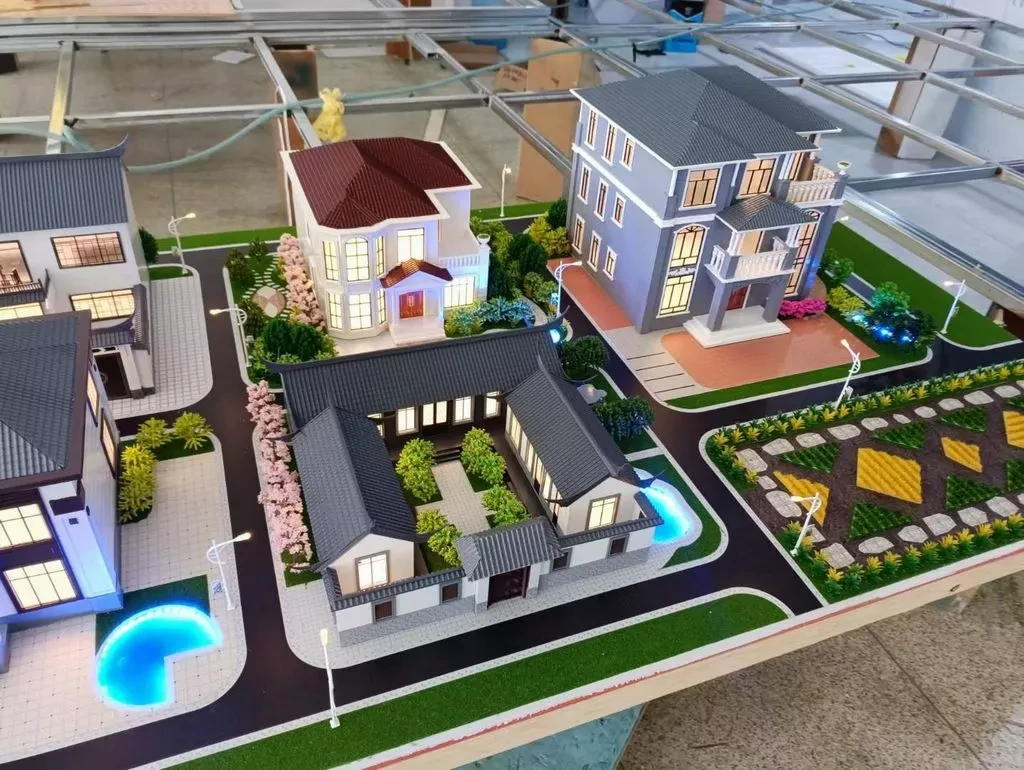
This scale model visualization significantly enhances understanding and retention of complex data. In urban planning, these scale models clearly depict future city layouts, architectural designs, and transportation networks. Similarly, in architectural design, they allow clients to visualize the final spatial layout and appearance before construction begins. 3D printing model technology can also be integrated to create specific components or intricate details, further enhancing the model’s accuracy and complexity.
2. A Bridge for Efficient Communication and Collaboration
Sand table models are highly effective communication tools. They provide a universal, professional visual language for discussing projects among diverse stakeholders – designers, engineers, decision-makers, and the public.
Team members can collaboratively explore ideas, identify issues, and refine solutions around the model, drastically reducing miscommunication. During public hearings for large-scale projects, sand table models help non-technical audiences comprehend the project’s scope and impacts, fostering public participation and gathering valuable feedback.
3. Accurate Analysis and Scientific Planning
These physical scale models offer a robust foundation for analysis and planning. Planners can simulate scenarios and evaluate the feasibility of different solutions directly on the model. For instance, in urban planning, adjusting building layouts or transportation networks allows for intuitive assessment of their impact on traffic flow and community dynamics.
In the military field, sand table models are used for terrain analysis, battle planning, and tactical exercises. This hands-on scale model approach helps decision-makers weigh various factors comprehensively, leading to more informed and strategic outcomes.
4. A Vivid Classroom for Education and Training
In education, sand table models are invaluable teaching aids. They can demonstrate geographical features like mountain ranges and river systems, or recreate historical battlefields and ancient cities, bringing subjects to life.
Hands-on observation and model creation stimulate learning interest, connecting abstract concepts with concrete visuals. This experiential learning approach fosters deeper understanding compared to traditional methods like reading text or viewing static images.
5. Inspiring Creativity and Stress Relief
Constructing a sand table model itself can be a creative process, fostering imagination and problem-solving skills as elements are combined and designed.
Moreover, the focused act of building a scale model is an effective stress-relief technique. Immersion in creating a miniature world can provide emotional release and a sense of accomplishment.
6. Technological Empowerment and Future Prospects
Technology continues to evolve sand table models. Electronic sand table models merge computer technology and virtual reality, enabling real-time element changes, dynamic simulations, and multi-user collaboration.
The integration with digital twin technology allows live data synchronization between the physical scale model and real-world counterparts. For example, smart city 3D printing models can display real-time traffic data, aiding urban management.
These advancements enhance the capabilities of sand table models in display, decision-making, and educational contexts.
In conclusion, sand table models stand out for their intuitiveness, visualization power, interactivity, practicality, adaptability, and comprehensiveness. Whether traditional physical scale models or modern electronic counterparts, they remain vital tools for understanding, planning, and problem-solving across diverse fields, showcasing remarkable versatility and ongoing potential.