Terrain Sand Table Model Solutions | Solving Production Problems
Solution to the problem of terrain sand table model production
1、 Production process flow
Basic preparation stage
Adopting a block design method to divide the terrain into multiple regional modules, which facilitates independent processing and later maintenance
Key terrain feature points (such as mountaintops, saddles, etc.) need to be pre marked and located
Using 3D printing model technology to create complex terrain components (such as steep mountains, canyons, etc.)
Terrain shaping technology
Adopting layered stacking method: first shape the basic terrain contour, and then add detailed features layer by layer
Temporarily fix with double-sided tape to ensure alignment of terrain components before bonding
Inject epoxy resin at critical joints to enhance structural stability
Surface treatment process
The terrain surface needs to be polished to eliminate obvious joints
Spray primer layer to enhance subsequent coloring adhesion
Use spray gun assembly line operation to ensure uniform base color
2、 Key points for material selection
Main material
Foam plastic board: suitable for long-term storage, easy to cut and shape
Gypsum mixture: used for making high-precision terrain details, with good plasticity
Pulp material: suitable for making large areas of natural terrain, with low cost
Auxiliary materials
Light wooden strips: used for making terrain frames and supporting structures
Metal wire mesh: enhancing the structural strength of steep terrain
Simulated Grass Powder: Representing Vegetation Coverage Areas
Material Handling Techniques
Before cutting foam board, it is required to stand still to eliminate material stress
Gypsum components need to be fully dried before further processing
Wood components need to be pre coated with a waterproof layer to prevent deformation
3、 Post processing and coloring
Selection of coloring process
Hand coloring: suitable for detail processing and special texture expression
Spray gun coloring: ensuring uniform color over a large area and high efficiency
Dry scanning technique: enhancing the texture expression of terrain surface
Key points of color processing
Following the principle of starting from shallow to deep, first apply the base color and then add details
Different terrains use gradient transitions to represent natural changes
Transparent resin is used in water areas to enhance realism
Detail Enhancement Techniques
Using aging treatment to show natural wear effect
Add micro vegetation to enhance the realism of the scene
Creating replaceable components to facilitate the display of different terrain features
4、 Restoration Enhancement Strategy
Proportional control method
Adopting a modular proportional system to ensure overall coordination
Key terrain features are highlighted using magnification ratios
Regularly check the accuracy of the proportion by comparing it with the reference chart
Detail enhancement measures
The terrain texture is pressed using molds to ensure consistency
Add micro landmarks to enhance recognition accuracy
Creating movable components to showcase terrain changes
Display optimization solutions
Design a rotating display platform for multi angle observation
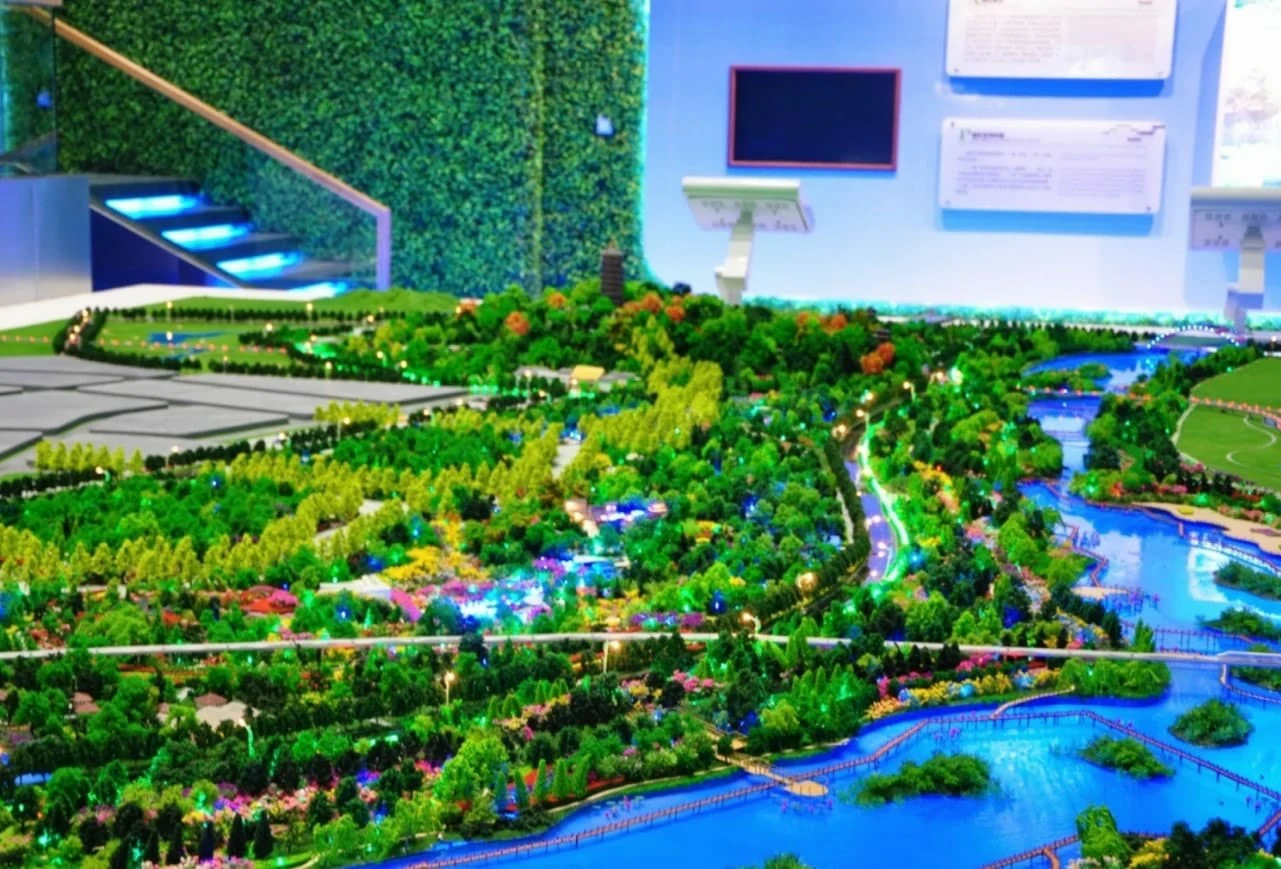
Add lighting system to highlight terrain features
Create a transparent protective cover to prevent dust and damage