Hydrogen Energy Scale Model: Sand Table Application Scenario Models | Analysis of the Entire Process
Hydrogen Energy Scale Model: Sand Table Application Scenario Models
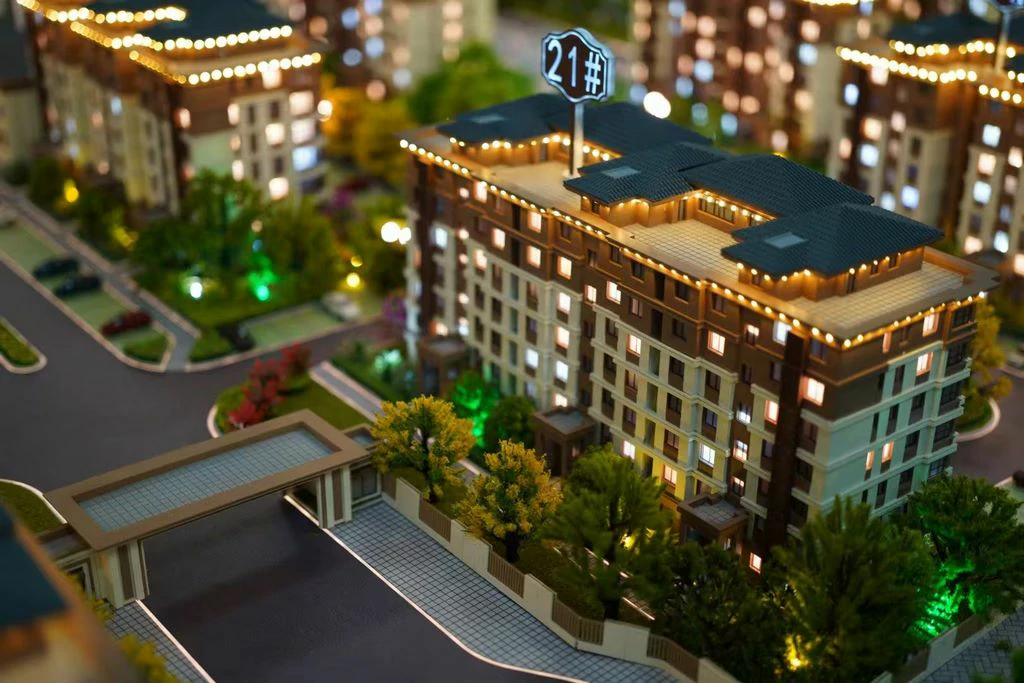
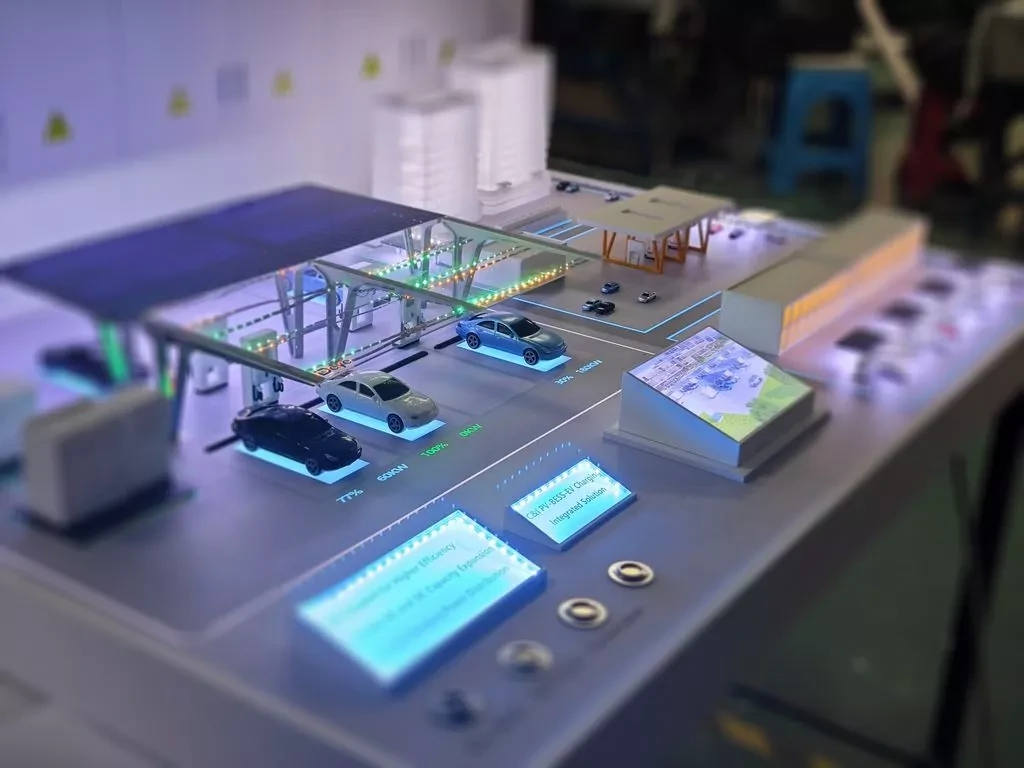
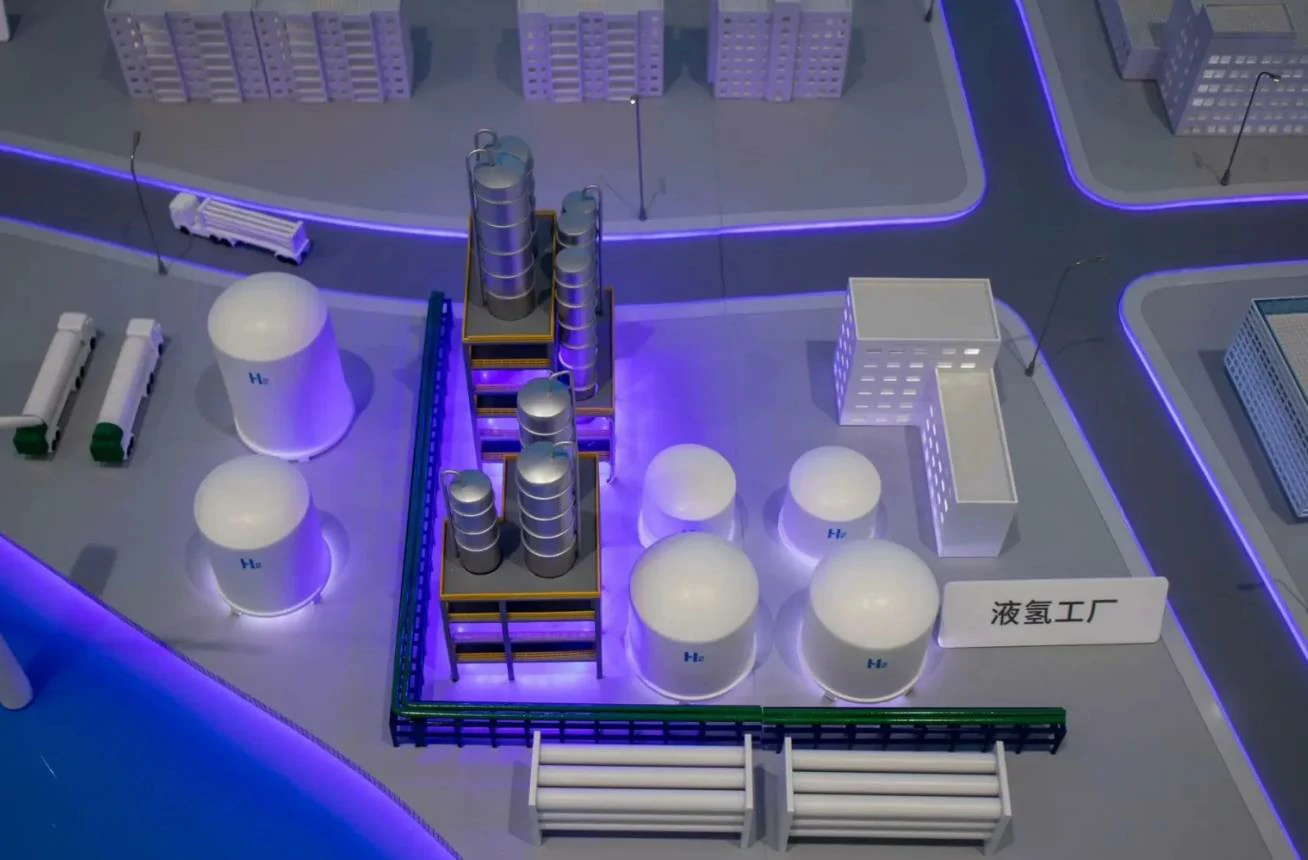
This content analyzes the entire process of creating a sand table model for hydrogen energy application scenarios. The model reproduces typical scenarios of the hydrogen energy industry chain at a scale of 1:100, including four modules: hydrogen production stations, storage and transportation equipment, hydrogen refueling stations, and terminal applications.
1、Project Background and Design Concept
The sand table model of hydrogen energy application scenarios adopts a modular design concept, achieving a 90% scene restoration degree. The model focuses on highlighting the clean characteristics of hydrogen energy and industrial aesthetics. This approach ensures the model meets the requirements of an industrial model while emphasizing hydrogen’s clean energy attributes.
2、Core material selection strategy
1. Main structural materials
- Aviation grade PVC board: 3mm thick board laser cut building contour, surface polished with sandpaper to present industrial texture
- Stainless steel wire mesh: simulating the metal frame of hydrogen energy equipment, enhancing the reflective effect through electroplating treatment
- Acrylic gradient sheet: making transparent components for hydrogen pipelines, with built-in LED light strips to simulate gas flow
2. Scene presentation materials
- Mineral pigment base: blending gray blue color scheme to depict modern industrial scenes, using dry sweeping techniques to highlight the mechanical feel of equipment
- UV resin terrain: casting micro mountainous terrain and embedding fluorescent powder to simulate nighttime work scenarios
- Metal etching sheet: precision machining equipment nameplates, safety signs and other detailed components
3、Layered production process
1. Infrastructure construction
- Installation of PVC main frame using mortise and tenon structure, with key connection points reinforced with epoxy resin
- The hydrogen storage tank uses a 3D printing model (3D printed hollow shell), filled with transparent gel to simulate liquid hydrogen
- The hydrogen refueling station canopy is made of 0.5mm copper wire woven mesh and sprayed with matte paint to restore the metal roof
2. Dynamic system integration
- Micro air pump system: Transparent silicone tubing connects various nodes, and a micro fan drives airflow circulation
- Fiber optic transmission system: 0.5mm fiber optic bundle simulates the refueling process of hydrogen powered vehicles
- Magnetic module: replaceable fuel cell vehicle model, with embedded magnets in the chassis for quick positioning
4、Multi stage coloring process
1. Base treatment
- Industrial equipment uses metal paint as a base, combined with sponge tapping to create a rusting effect
- The building facade is coated with multiple layers of enamel paint, and the color penetration is controlled by a thinner
2. Detail enhancement
- The instrument panel adopts transfer printing technology to ensure that the scale markings are clear and distinguishable
- Fluorescent orange accents are placed at the pipeline connections to highlight high-pressure hazard warning signs
- Acrylic varnish is used for ground marking, which presents a reflective effect at night
3. Creating a scene atmosphere
- The refueling area uses gradient blue LED to simulate the visual effect of low-temperature hydrogen mist
- Micro circuit boards are implanted in the control room window to dynamically display operating parameters
- Surrounding greenery is encapsulated with UV cured resin and embedded with miniature landscape lights