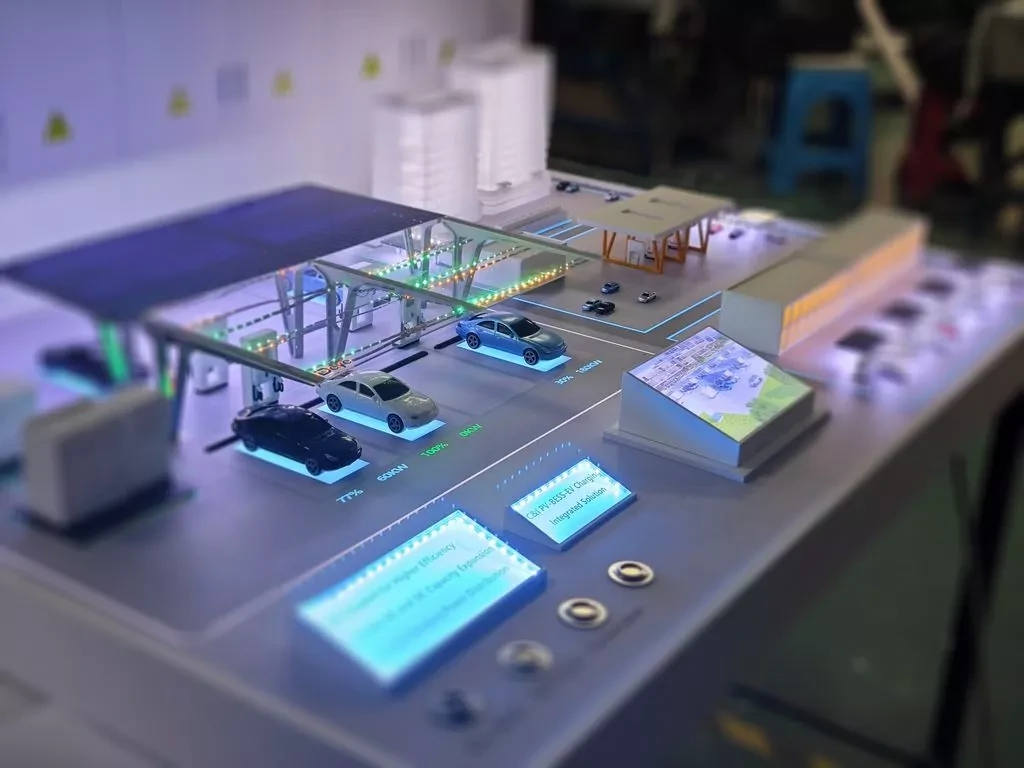
Complete Process Analysis for Scale Model Production, Packaging & Transportation
Model production and transportation are critical components in transforming creative designs into tangible, display-ready scale models. Achieving this requires meticulous control across the entire process—from production technology to packaging and transportation protection. Below is a detailed breakdown of the core aspects of scale model creation, including sand table model, 3D printing model, and industrial model, to ensure seamless transformation from blueprint to finished product.
1. Production: Translating Creative Blueprints into Robust Physical Models
The production phase is where creativity becomes tangible, requiring a balance between structural integrity and intricate detail.
Material Selection
The choice of materials depends on the model’s function and application. For instance:
– ABS plastic is ideal for mechanical or 3D printing model due to its ease of processing and high strength.
– Foam board is lightweight and versatile, making it suitable for architectural or sand table model prototypes.
– For kinetic models, such as animatronic figures, durable materials like soft rubber are recommended to prevent joint fractures during transportation.
Process Layering
Complex models are constructed in stages to ensure stability and precision:
– Skeleton: Constructed using metal profiles or rigid plastics to provide a solid foundation.
– Structural Components: Fixed with adhesives like epoxy resin, leaving space for transportation buffers.
– Details: Applied through techniques like spray painting or etching, with removable parts disassembled for enhanced protection.
Protection for Movable Parts
For models with moving components, such as hinges or antennas:
– Disassemble movable parts and pack them separately to avoid damage.
– Use padding like cotton or foam to cushion delicate areas (e.g., limbs in sand table model), reducing the risk of collision during transit.
2. Packaging: Building a Secure Fortress for Transportation
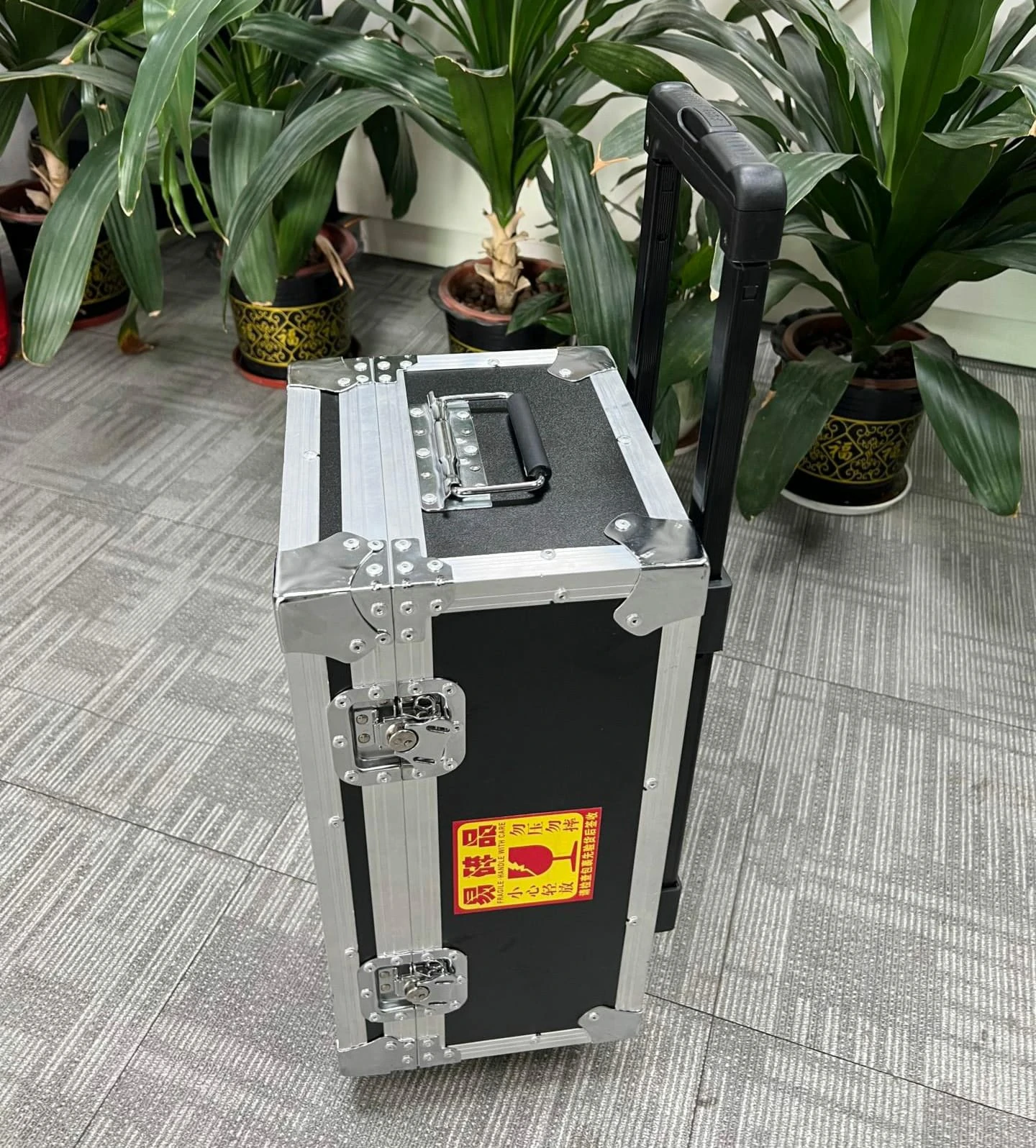
Packaging serves as the final protective barrier before transportation, safeguarding the model through shock absorption, compression resistance, and environmental protection.
Material Selection
Choose packaging materials based on their protective properties:
– Buffer Layer: Use foam cotton or bubble wrap to absorb shocks.
– Outer Packaging: Opt for corrugated cardboard for compression resistance.
– Sealing Layer: Employ plastic bags to prevent moisture damage, especially for 3D printing model components.
Structural Design
- Layering + Filling: Place cushioning materials between the model and the packaging box to create a three-layer protective system.
- Face-to-Face Reinforcement: Use interlocking structures (e.g., tape bonding or mortise-and-tenon joints) to prevent box collapse during transit.
- Gap Filling: Fill empty spaces in the packaging with protective materials to prevent movement and reduce the risk of internal components colliding.
Labeling and Documentation
- Include transportation labels with details such as weight, dimensions, and fragile markings.
- Attach a list recording component details, quantities, and protection methods for reference during handling.
3. Transportation: Ensuring Safe Delivery
The transportation phase requires careful planning to minimize risks, whether through specialized logistics or controlled handling.
Tool and Route Selection
- Logistics: Partner with professional carriers equipped for shock-sensitive models, such as 3D printing model or industrial model.
- Self-Transport: Use vehicles with shock-absorbing features, like airbag suspension systems.
- Route Planning: Avoid rough terrain or high-vibration areas (e.g., construction sites) to reduce transit risks.
Operational Standards
- Vehicle Fixation: Secure the model using road studs or seat belts to prevent sliding.
- Driving Practices: Maintain low speeds to minimize vibrations and sudden movements.
- Inspections: Conduct pre-transport checks of shock-absorbing equipment and perform periodic reinforcement during transit.
4. Summary: A Closed-Loop Approach for Model Success
The journey from design to display hinges on seamless integration across production, packaging, and transportation. By addressing structural stability, protective packaging, and controlled logistics, scale model, sand table model, 3D printing model, and industrial model can be delivered in perfect condition. This comprehensive process ensures that creativity not only survives but thrives, achieving a flawless transition from concept to realization.