Outdoor Sculpture Scale Models | Custom Public Art Models
Outdoor Sculpture Model Production
1. Core Concept of Outdoor Sculpture Model Production
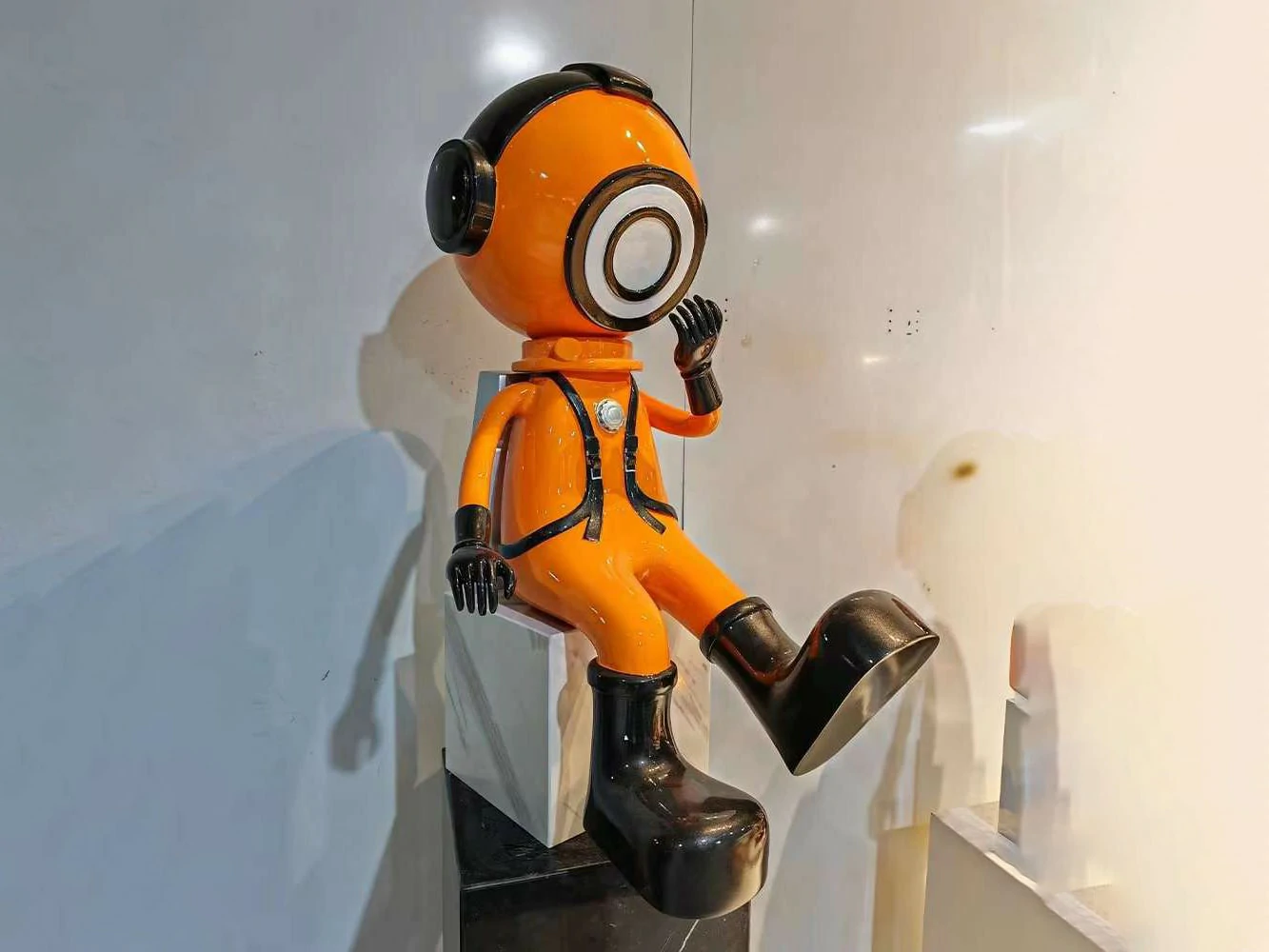
Outdoor sculpture model production is a comprehensive creative process that integrates artistic design, craftsmanship, and environmental adaptation. These scale models are meticulously crafted to accurately represent outdoor sculptures at ratios of 1:10 to 1:20, focusing on precise proportions, detailed textures, and color coordination. Unlike indoor models, outdoor scale models must account for environmental durability, weather resistance, and long-term exposure. The production process emphasizes balancing aesthetic appeal with structural integrity, ensuring the model faithfully reflects the original design while adapting to outdoor conditions. These industrial models serve as essential tools in the transition from concept to execution, bridging the gap between artistic vision and physical realization for various applications, including final design validation, site integration testing, public art education, and exhibition displays.
2. Key Questions and Answers
Question 1: Material Selection for Outdoor Sculpture Models
What materials can be chosen to balance artistic expression, outdoor durability, and functional requirements for long-term display?
The optimal materials for scale model production must balance aesthetic appeal with practical durability. The core solution involves using a composite approach: fiberglass forms the structural backbone, providing exceptional strength and resistance to deformation; ABS engineering plastic sheets offer precise shape replication capabilities; and specialized outdoor coatings ensure color fidelity and environmental resistance. This multi-material integration allows for:
- Fiberglass: Creates durable, weather-resistant structural elements that maintain complex sculptural forms
- ABS sheets: Facilitate precise detail replication through cutting and carving processes
- Stainless steel accents: Enhance three-dimensional depth and define critical sculptural lines
- Simulated stone finishes: Achieve authentic textural effects using specialized composites
- UV-resistant coatings: Provide color protection and weather resistance for extended outdoor display
This material selection approach ensures that the finished scale model meets both artistic requirements and functional durability standards for outdoor environments.
Question 2: Balancing Artistic Integrity and Outdoor Functionality
What are the core challenges in producing outdoor sculpture models, and how can artistic expression be maintained while ensuring environmental adaptability?
The primary challenge lies in balancing creative authenticity with environmental practicality. Successful scale model production requires:
- Design Integration: Early-stage collaboration between artists and technicians to incorporate environmental considerations into the creative process, including:
- Site-specific environmental analysis
- Weather resistance parameters
- Local ecosystem compatibility
-
Durability testing protocols
-
Structural Optimization: Technical solutions that maintain artistic integrity while enhancing functionality, including:
- Weight reduction techniques without compromising structural integrity
- Advanced material selection for specific environmental conditions
- Integrated drainage systems for precipitation management
-
UV protection mechanisms for color preservation
-
Contextual Adaptation: Design modifications that address site-specific environmental challenges while preserving artistic intent, such as:
- Wind load management systems
- Temperature expansion compensation
- Pollution resistance treatments
- Local fauna interaction considerations
This integrated approach ensures that outdoor scale models fulfill both aesthetic and functional requirements, serving as accurate previews of completed works while demonstrating thoughtful environmental integration.
3. Production Benefits
The creation of outdoor sculpture scale models offers significant advantages throughout the artistic and construction process:
Design Validation: These detailed scale models provide tangible representations of abstract concepts, enabling designers to:
– Identify potential issues before committing to full-scale production
– Make informed adjustments to proportions, textures, and colors
– Reduce costly modification expenses during actual construction
Site Integration Testing: Before permanent installation, these industrial models can be strategically placed in the intended environment to:
– Evaluate visual impact and scale relationships
– Assess integration with surrounding landscape elements
– Confirm proportionality within the specific site context
Public Art Education: Serving as educational tools in art institutions and public exhibitions, these models:
– Make complex artistic concepts accessible to diverse audiences
– Demonstrate the technical aspects of sculpture creation
– Enhance public understanding and appreciation of contemporary art
Practical Application Benefits: The production process offers substantial advantages including:
– Economic efficiency through early problem identification
– Enhanced stakeholder communication and consensus-building
– Sustainable development through iterative refinement
– Versatility across diverse project requirements
This comprehensive approach to outdoor sculpture scale model production delivers exceptional value by combining artistic authenticity with practical functionality, creating invaluable tools for the realization of successful public art installations.