Outdoor Lighthouse Display Models | Custom Architectural Scale Models
1. Understanding the Core Concept
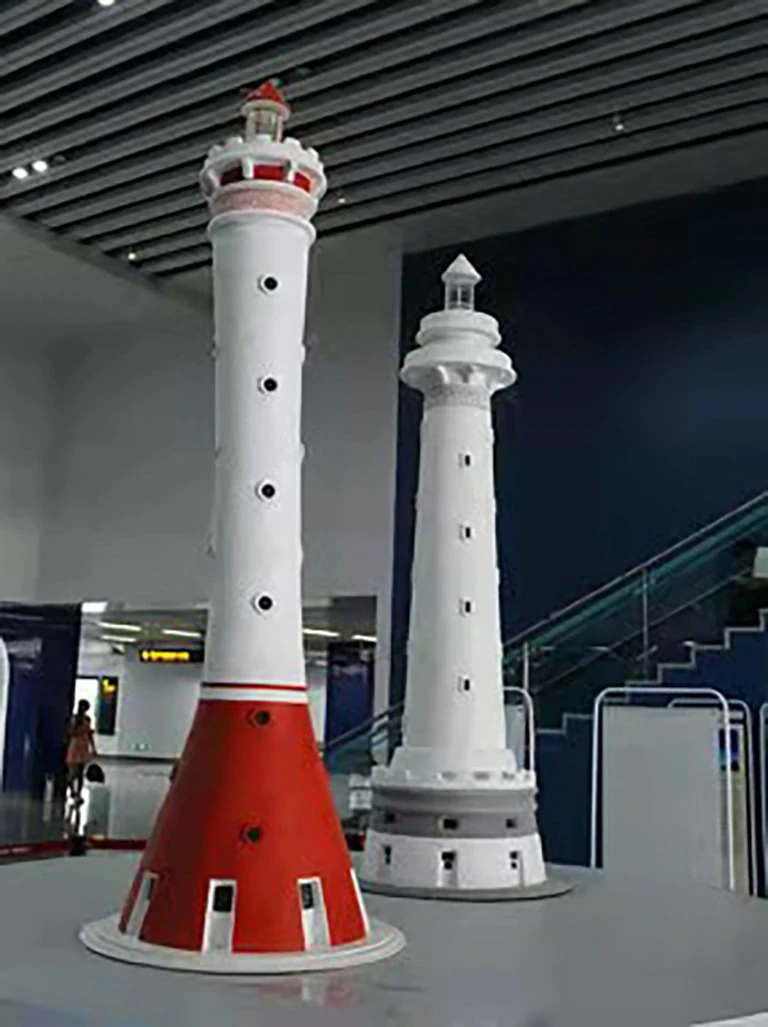
Outdoor display lighthouse models represent a specialized niche in architectural scale model production. These intricate creations integrate maritime cultural interpretation, meticulous craftsmanship, and robust outdoor adaptation. Unlike standard models, they specifically refer to manually crafted or semi-manufactured, hand-assembled scale models (typically 1:20 to 1:5 scale model ) based on real lighthouse structures. The focus is on accurately reproducing key architectural elements like the tower body, lantern room, base, and fencing, while prioritizing shape fidelity, outdoor durability, and exhibition impact.
The core distinction lies in their outdoor suitability. These scale models must go beyond indoor display considerations. They require special attention to withstand environmental factors: resisting wind and rain erosion, enduring prolonged exposure to sunlight (UV resistance), and maintaining stability against wind load. The core requirements are precision in proportion, structural stability, material durability, aesthetic accuracy reflecting the prototype, and seamless integration into outdoor display environments.
Production involves a careful balance between artistic interpretation and engineering principles. This ensures the model not only faithfully captures the unique architectural characteristics of different lighthouse designs but also incorporates protective features for long-term outdoor use. These models serve vital roles as outdoor science exhibits, scenic area enhancements, maritime theme displays, and permanent installations, acting as important carriers for preserving maritime heritage and showcasing the enduring charm of lighthouses.
2. Key Considerations and Answers
Question 1: Material Selection for Outdoor Lighthouse Models
Choosing the right materials is crucial for balancing architectural authenticity, detail reproduction, and long-term outdoor durability. The ideal materials must withstand environmental stressors while allowing for aesthetic finish and structural integrity suitable for an indoor or outdoor display.
- Tower Body: Fiberglass and ABS engineering plastic plates are often the preferred composite materials. Fiberglass offers hardness, moderate weight, excellent corrosion resistance, and dimensional stability, crucial for resisting outdoor wind and rain. It allows for precise shaping of the lighthouse form and can be easily polished and painted. ABS is favored for its ease of precise cutting, splicing, and detailing, making it excellent for rendering textures like rough stone or brick joints. This combination leverages the strengths of both materials for a durable and visually accurate scale model.
- Base: For enhanced wind resistance and stability, a thick wooden board or lightweight, rigid metal plate base is recommended. This provides a solid foundation necessary for permanent or long-term outdoor placement, ensuring the entire scale model assembly remains upright.
- Fencing & Handrails: Stainless steel strips are the material of choice for these components. They offer excellent rust resistance and longevity, crucial for outdoor elements. This material choice restores the functional protective aspect of the lighthouse while adding a touch of delicate detail to the indoor or outdoor model.
- Lantern Room: This critical component requires specific treatment. A high-transparency acrylic plate or simulated glass (often with internal waterproof micro-LED lighting) is used. This not only restores the visual and functional aspect of the guiding lantern but also ensures operational safety and suitability for outdoor environments, meeting the requirements of an industrial model.
- Finishes: Exterior-grade, UV-resistant, matte paint is essential. Common lighthouse colors like white, red, and grey are standard. Dark outlines define details, using non-reflective finishes that resist fading and withstand rain without damaging the scale model. This coating system is vital for maintaining the appearance of the indoor or outdoor model exposed to the elements.
Question 2: Balancing Prototype Fidelity, Durability, and Aesthetics
The primary challenge in producing these scale models is achieving a triple balance: maintaining the exacting prototype authenticity expected from a high-quality industrial model, ensuring exceptional outdoor durability to withstand harsh conditions, and preserving the visual appeal for display. Failure to balance these risks model failure, compromised aesthetics, or reduced longevity.
The solution involves two key approaches:
- Rigorous Planning & Detail: Early-stage research is paramount. Accurately collect prototype dimensions, architectural details, and historical data. Simultaneously, gather data on the specific outdoor placement environment (wind load, sun angle, potential vandalism). Develop detailed design drawings specifying proportions, dimensions, and outdoor protection requirements. This meticulous planning ensures the scale model structure aligns with the prototype and is engineered for its specific outdoor context.
- Robust Construction & Smart Detailing: Implement a layered production process. Ensure precise cutting and splicing of the tower body using appropriate tools for regularity. Employ weighting and anti-slip treatments for the base. Detailing requires specialized techniques for rendering brickwork, window tracery, and architectural ornamentation accurately. Internally, the lantern room must house reliable, waterproof lighting systems. Critically, simplify or omit decorative elements that are structurally weak or highly susceptible to wind and weather damage. Selecting inherently durable materials and applying robust, fade-resistant coatings is fundamental to meeting the requirements of a long-lasting indoor or outdoor scale model that showcases maritime heritage effectively.
3. Benefits and Applications of Outdoor Lighthouse Models
The production of these specialized scale models offers significant value beyond simple representation. They combine substantial cultural and educational value with practical and display benefits, making them versatile assets for various outdoor settings.
- Cultural & Educational Value: As powerful outdoor display pieces, these models allow the public to gain a tangible understanding of lighthouse architecture and their vital role in maritime navigation. They serve as excellent tools for popularizing navigation technology and preserving the cultural and historical significance embodied by lighthouses, enriching the narrative of outdoor exhibits and installations.
- Versatile Applications: Their inherent durability and visual impact make them ideal for demanding outdoor environments. They are perfect as centerpiece exhibits or decorative elements for outdoor science museums, maritime-themed sand table model displays in tourist attractions, coastal visitor centers, or educational industrial model exhibitions. They create strong visual focal points and enhance the cultural ambiance and visitor experience of these locations.
- Durability & Low Maintenance: The careful selection of materials and construction techniques ensures these scale models possess the necessary resilience for long-term exposure. This translates to significantly reduced maintenance requirements compared to less robust temporary displays or indoor models not designed for outdoor conditions, making them cost-effective solutions for permanent or semi-permanent installations. They deliver both aesthetic appeal and lasting performance, fulfilling the needs of a dedicated industrial model for outdoor use.