Energy Storage Container Models: Custom Scale Model Production Case Study
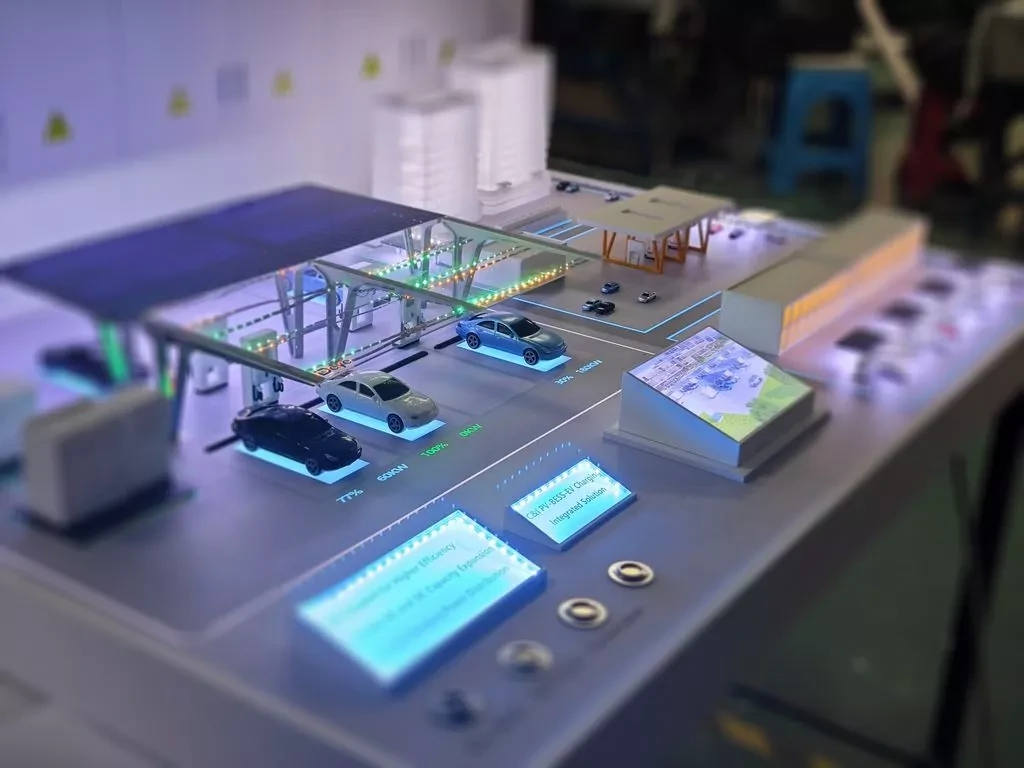
This project involved the creation of a custom scale model for a prominent new energy enterprise, designed for large-scale exhibition use. The primary objective was to visually showcase the appearance, internal structure, and working principles of their core product: large industrial and commercial energy storage containers. The client demanded a model with a high degree of simulation, capable of dynamically demonstrating the charging and discharging process through lighting, while accurately reproducing details like battery layout, temperature control systems, and fire protection pipelines.
Production Process and Material Selection
The creation of this scale model adhered to a rigorous process, ensuring meticulous detail from the internal components to the external shell.
Main Frame and Box Structure
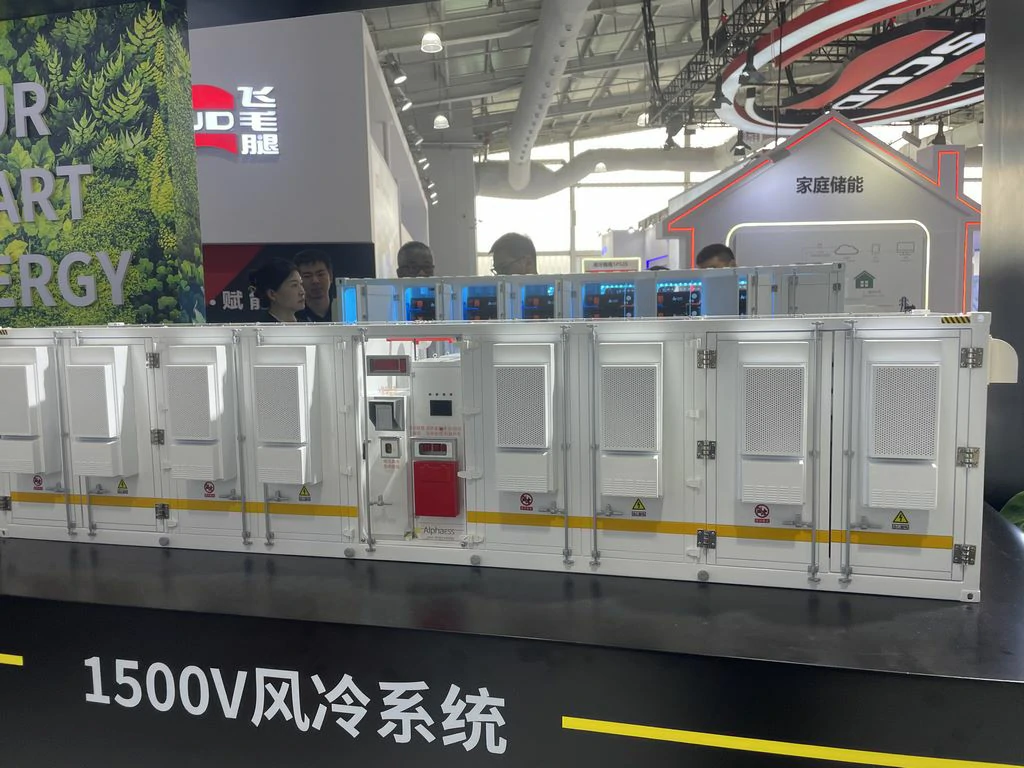
The model’s foundational structure was constructed using high-strength aluminum alloy profiles, welded together for stability and durability, ready for long-distance shipping and handling. The outer container shell is fabricated from 1.5mm thick cold-rolled steel plate, precisely cut and laser-bent to perfectly replicate the real corrugated and flat structural features of an energy storage container. Each side panel underwent leveling treatment to guarantee optimal flatness and alignment.
Internal Core Components Production (3D Printing Model)
The battery module forms the heart of the display. Moving beyond simple color block representations, we employed high-precision 3D printing model technology to layer-by-layer print battery trays and cell casings. Each battery cell features subtle heat dissipation patterns, meticulously arranged to simulate a real production line assembly. The battery module’s shell is crafted from frosted engineering plastic, simulating the industrial-grade protective box feel.
Temperature Control and Fire Protection System Integration
To effectively illustrate the complex internal systems, transparent acrylic tubes and colored copper tubes were used to model liquid-cooled temperature control circuits, clearly depicting coolant circulation. The fire protection system is represented via thin red hoses and metal nozzles. Despite the scaled-down size, every bend and fixed fitting is precisely positioned to mirror the real-world layout.
Post Processing and Coloring Techniques
Achieving visual fidelity exceeding 90% relies heavily on post-processing, a critical factor for success.
Surface Polishing and Finishing
Following welding, all metal box plates undergo fine polishing and atomic ash filling at weld seams, resulting in a smooth, mirror-like finish. The 3D printing model battery components are meticulously deburred and polished through multiple sandpaper stages, eliminating layer lines and giving them the appearance of precision injection-molded parts.
Industrial Grade Spraying
The model’s coating strictly follows the customer’s product standard color card. We utilized an automotive-grade two-component baking paint process, applying three protective layers: primer, base color coat, and clear coat. The main container body’s industrial gray finish is robust and authentic. Warning signs and operating instructions on the container door are screen-printed with high precision, featuring sharp, clear text and smooth edges. Simulated metal components underwent localized aging treatment, adding a subtle frosted texture to enhance realism and avoid an overly pristine appearance typical of a scale model.
Integration and Dynamic Demonstration
The final phase integrates the intelligent control system, enabling dynamic simulation. Embedded LED light strips and independent control modules allow for programmed lighting effects. Blue light simulates the charging state flowing between battery modules, while red light represents the thermal management system’s operation through the pipelines. Integrated sound and light alarm systems further enhance the demonstration by simulating emergency response during simulated high-temperature warnings.
Conclusion
The resulting energy storage container scale model masterfully condenses complex industrial energy storage systems into an intricate miniature representation. Through exquisite sheet metal craftsmanship, detailed 3D printing model components, professional paint application, and intelligent dynamic demonstrations, this industrial model serves not just as a display piece, but as an “industrial artwork” capable of accurately conveying the enterprise’s technical capabilities. It successfully attracted significant visitor attention at the exhibition, becoming a focal point on the booth floor.