Custom Industrial Models | Precision Scale Model Maker
1. Material Selection and Substrate Construction
- Main Frame: Constructed from a 3mm ABS board, expertly laser-cut into precise shapes. Components are meticulously assembled using a mortise and tenon joint structure, finished with model-specific adhesive for seamless, polished integration.
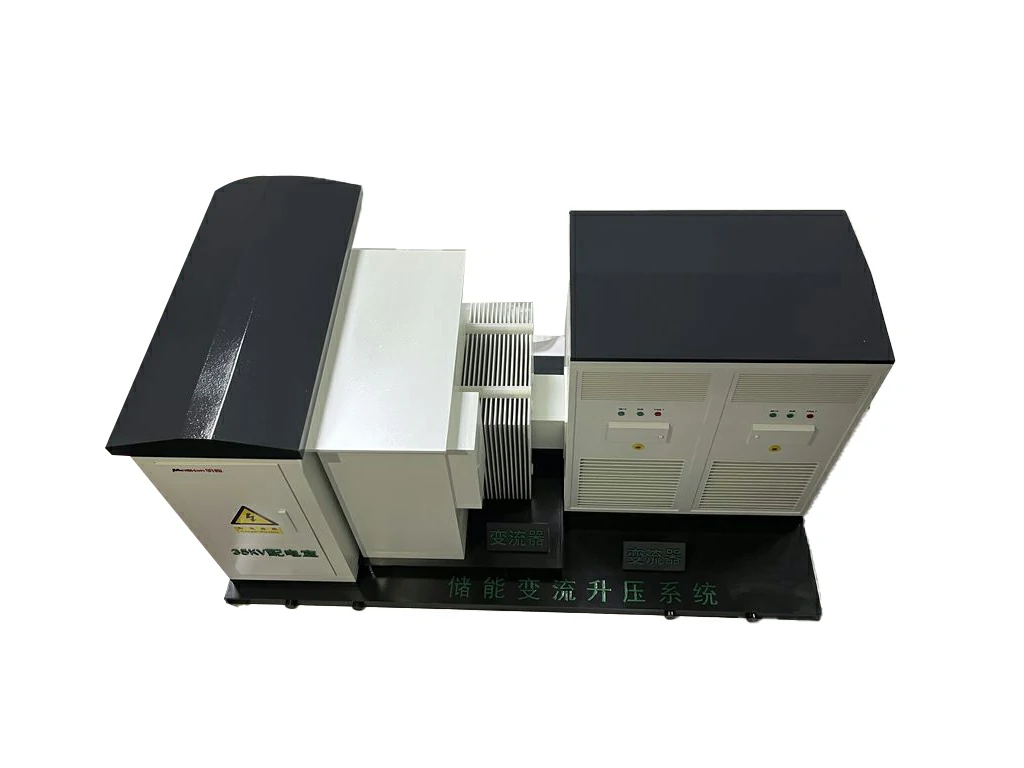 - Transparent Components: Polished acrylic panels are hot-bent to create insulation covers. These components undergo a multi-step polishing process with progressively finer sandpaper grits to ensure consistent light transmittance, mirroring the original industrial equipment.
- Metallic Textures: Conductive copper strips are precisely etched and surface-treated with aging processes to convincingly replicate natural oxidation marks. Micro aluminum tubes are cut and subsequently anodized to achieve a durable, silver-gray finish.
2. Core Process Implementation
- Precision Replication:
- Utilizing industrial-grade 3D scanners, we capture precise digital data from prototypes. This data is then used with CNC engraving machines to accurately replicate internal structures at a 1:10 scale.
- Gear linkage mechanisms employ advanced brass powder sintering technology, ensuring the operating rods precisely simulate the original equipment’s functional movements.
- Texture Processing:
- For nameplates and text elements, intricate silicone molds are crafted. These molds are filled with epoxy resin and expertly spray-painted to achieve the desired metallic appearance.
- Control panels feature transfer printing technology, combined with a durable, UV-cured protective layer to guarantee long-lasting color fidelity and resistance to fading.
3. Artistic Post-Processing
- Multi-Layer Coating:
- Primer: A specialized matte black epoxy primer is applied to enhance surface adhesion and provide a consistent base.
- Main Color: High-quality automotive metallic paint is applied in three meticulous layers. Each layer adheres to strict intervals (20 minutes) and undergoes low-temperature curing for optimal results.
- Highlight Areas: Strategic application of enamel paint accentuates specific areas, dramatically enhancing the three-dimensional effect and visual depth.
- Antique Techniques:
- Wear Simulation: A dry scanning method realistically highlights edge and corner wear, while carefully applied oil painting thinner expertly simulates the appearance of residual oil stains.
- Arc Burn Marks: Electrostatic adsorption techniques are used to apply copper powder, creating authentic arc burn marks on metallic surfaces.
4. Final Processing
- Protective Coating: A final layer of nitro-cellulose protective paint is expertly sprayed and cured at a controlled temperature for 48 hours to ensure maximum durability and finish protection.
- Functional Enhancement: A magnetic acrylic dust cover is installed, incorporating a built-in LED simulated operation indicator light for added realism.
5. Key Points of Restoration Control
- Color Accuracy: Strict color calibration is performed using a colorimeter, maintaining an error tolerance of ΔE ≤ 1.5 to ensure faithful color reproduction.
- Proportional Fidelity: The operating force for all movable components is carefully calibrated to maintain a linear proportional relationship with the original prototype.
- Wiring Integrity: Internal wiring harnesses utilize high-precision PTFE silver-plated wire, with a diameter tolerance of 0.3mm, ensuring reliability and accuracy within the scale model.
Requirements & Integration
This process delivers highly accurate scale models and industrial models, suitable for detailed analysis, presentation, and even functional demonstration. Our expertise ensures that the final product meets the highest standards, whether it’s a precise sand table model, a detailed 3D printing model component, or a comprehensive representation of complex industrial machinery.