Cruise Ship Scale Model Making | Craftsmanship & Process Overview
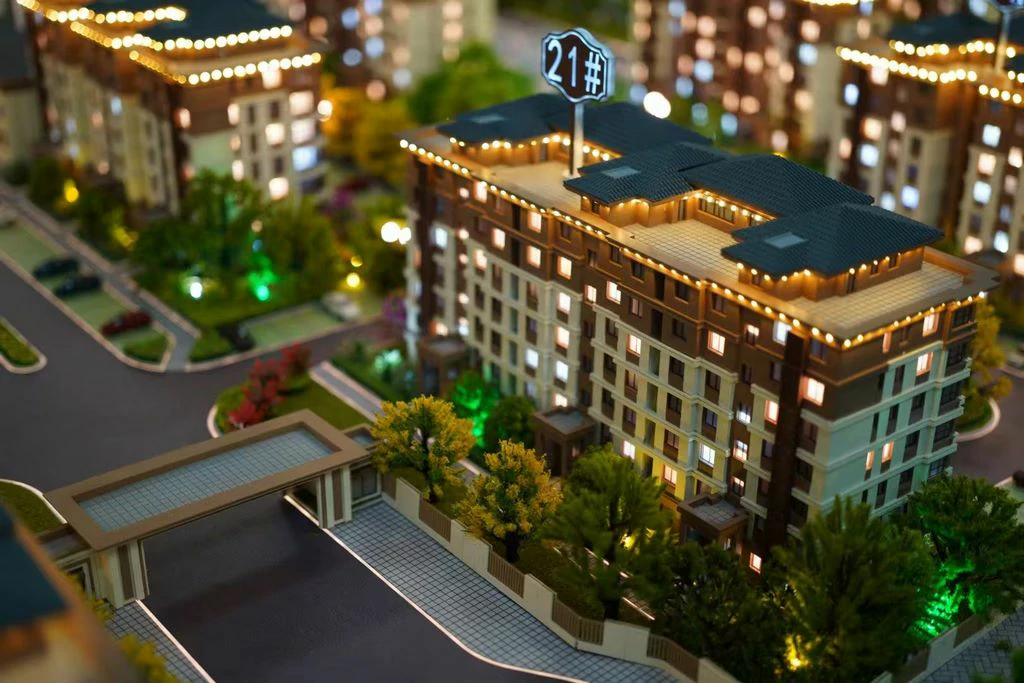
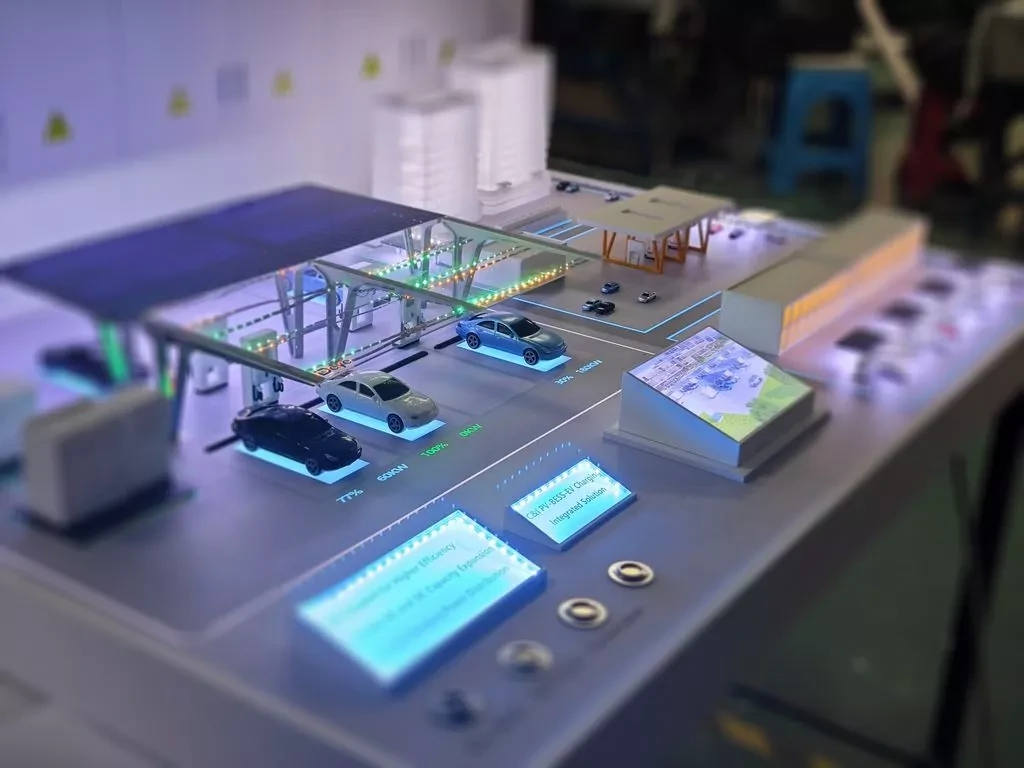
This case study provides an overview of the craftsmanship and process involved in creating a scale model of a cruise ship. The production process is systematic, ensuring high fidelity without relying on specific parameters, focusing instead on highlighting the process methods and overall effect.
1. Design and Planning Stage
The creation of a cruise ship scale model begins with precise design schemes. Using technical drawings or digital modeling, the process ensures accurate overall proportions and detail. This stage focuses on abstracting the real cruise ship structure, including hull curves, deck layout, and the proportional relationship of the superstructure. The design phase lays the foundation for both sand table model and industrial model production.
2. Main Structural Technology
Hull Forming
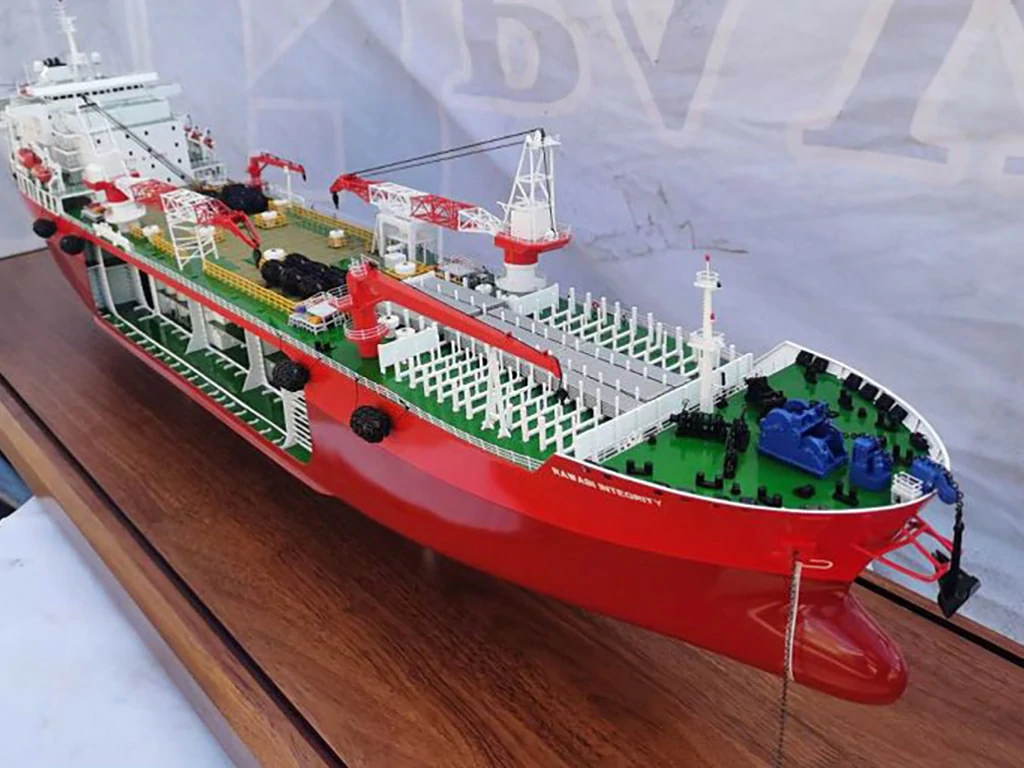
The hull is shaped using suitable engineering materials through hot forming technology, creating streamlined contours. Professional bonding techniques are employed for joint treatment to ensure a seamless effect, followed by fine polishing and correction for a smooth finish.
Modular Assembly
Independent modules (such as ship foundations, bulwark structures, and superstructures) are produced according to functional zones. Transparent materials are used to create realistic portholes, and internal coating enhances the three-dimensional effect. This modular approach is essential for constructing complex scale models and industrial models efficiently.
Detail Enhancement
Micro components like railings and cables are manufactured using precision machining processes. Metal textured materials are applied to enhance realism, and micro connectors are used in key areas to ensure structural stability. These details are critical for high-fidelity scale model production.
3. Surface Treatment Technology
Basic Treatment
A special primer is sprayed to enhance coating adhesion and provide a uniform base for subsequent coloring. This step is vital for the overall appearance of scale models and industrial models.
Layered Coloring
The main color tone is applied using multi-layer spraying technology, with drying time carefully controlled to ensure uniform color. Composite color spraying is used in deck areas to simulate natural material effects, with edge shadow enhancement for added realism. This technique is commonly used in scale model finishing.
Identification Application
Professional water transfer printing technology is used to process text patterns, combined with softeners to achieve seamless bonding. This method ensures crisp details on scale models and industrial models.
4. Texture Improvement Process
Aging Effect
Dry scanning techniques highlight wear marks on metal parts, while local processing simulates usage marks for authenticity. This adds character to sand table models and enhances realism.
Light and Shadow Optimization
An internal lighting system is integrated with transparent materials to enhance the sense of hierarchy and realism. This technique is particularly effective for scale models and industrial models.
Protective Coating
A protective varnish is applied across the entire model, balancing detail expression with texture restoration. This final coat protects the model and ensures its longevity.
5. Quality Control System
The professional production process includes prototype validation and modular production to ensure quality. Multi-link quality inspections are conducted to guarantee that each component meets design standards. The finished product uses a professional packaging scheme with maintenance guidance to ensure delivery quality. This rigorous quality control is essential for producing accurate scale models and industrial models.
This case study demonstrates that high-fidelity scale model production can be achieved through systematic process control, without relying on specific parameters. The focus is on highlighting process methods and overall effect presentation, applicable to both sand table models and industrial models.