Vertical Energy Storage Scale Models | Custom Cabinet Sand Table Models
Case Study: Production of a 1:10 Scale Energy Storage Cabinet Model
Project Background
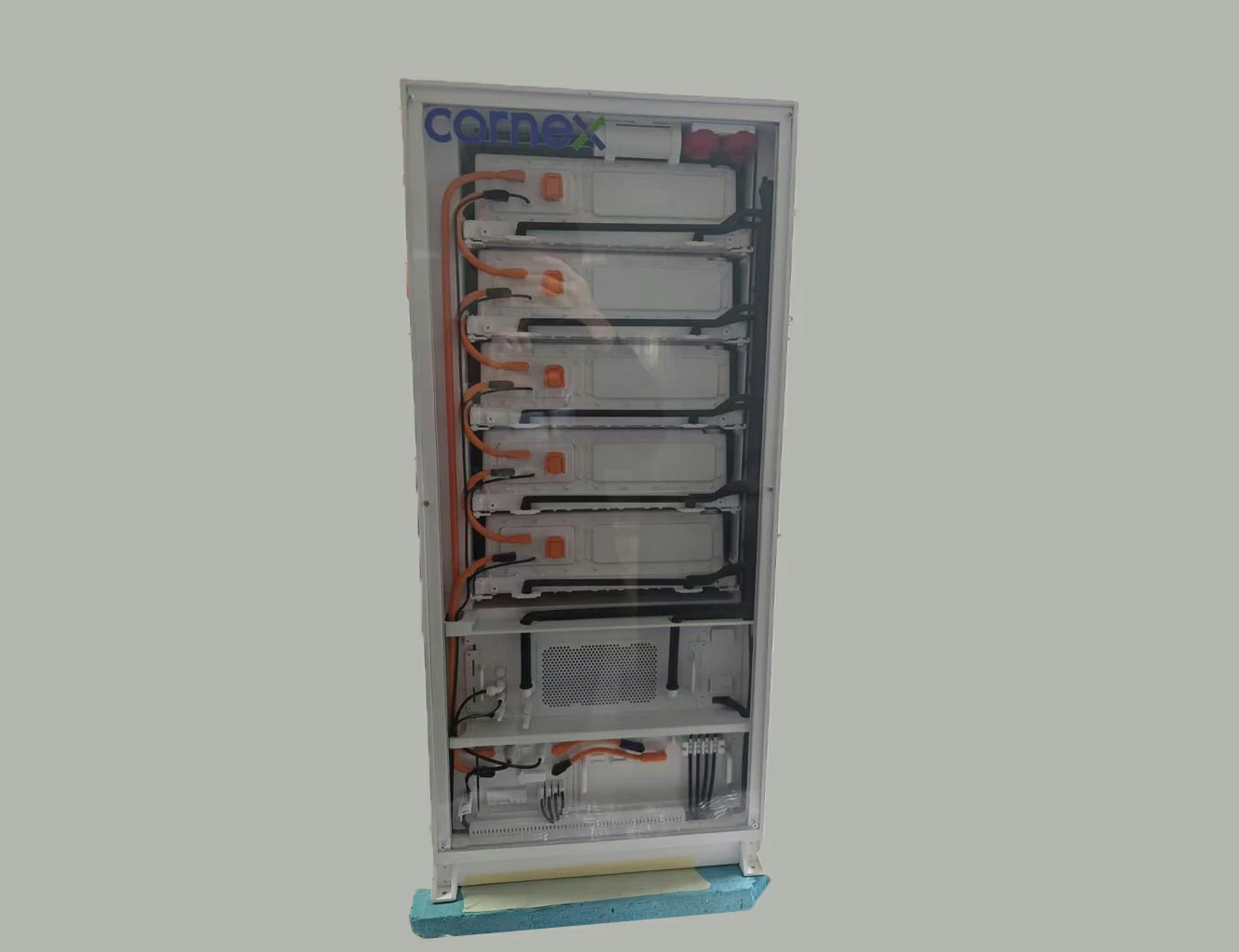
A new energy company required the production of a 1:10 scale model of an energy storage cabinet for exhibition purposes and customer demonstrations. The model needed to accurately replicate the industrial design details and surface textures of the actual product.
1. Material Selection
1.1 Main Framework
- Aviation-grade ABS board: Used for the cabinet’s main structure, with a thickness of 3mm, balancing strength and lightweight requirements.
- Acrylic transparent board: Simulated tempered glass observation windows, with a thickness of 2mm. These panels underwent laser cutting and frosting treatments.
1.2 Functional Components
- Brass etching plate: Restored precision components such as heat dissipation grilles and buttons, with a thickness of 0.5mm.
- Nylon 3D printed parts: Utilized for complex curved components, such as ventilation fans and interface terminals, showcasing the application of 3D printing models.
1.3 Auxiliary Materials
- Magnetic attraction component: Enabled cabinet door opening and closing functionality, with neodymium magnets embedded in the ABS door panels.
- Metal-etched signs: Reproduced brand logos and safety warning signs with high precision.
2. Core Manufacturing Process
2.1 Precision CNC Machining
- The cabinet’s six-sided panels were crafted using 5-axis CNC milling on ABS sheet metal. Edges and corners were chamfered at 0.5mm to accurately replicate the bending effect of real industrial sheet metal.
- Side panel heat dissipation hole arrays were duplicated using stamping molds, with a hole diameter of 1.2mm and an allowable error of ≤ 0.05mm.
2.2 Layered Assembly Structure
- A layered framework was constructed using laser-cut oak boards, dividing the battery module area and control unit area (with reserved LED light wiring slots).
- A detachable top cover design, secured with hidden snap fasteners, facilitated easy access to internal structures.
2.3 Surface Texture Treatment
- The main cabinet underwent sandblasting with 120-mesh diamond sand to achieve a metallic frosted texture.
- The bottom incorporated an anti-slip pattern, created using a silicone mold and PU rubber pads.
2.4 Detail Enhancement
- Cable interfaces: Simulated wiring harnesses were crafted using 0.2mm enameled wire, connected to a 3D-printed aviation plug.
- Safety lock: A micro spring lock mechanism was implemented, with brass lock tongues capable of actual rotation.
3. Post-Coating and Aging
3.1 Base Color Treatment
- The entire cabinet was sprayed with a gray epoxy primer to fill minor scratches and enhance surface adhesion.
3.2 Color Separation Spraying
- Main cabinet: Applied with matte deep space gray metallic paint (5% aluminum powder added for enhanced particle texture).
- High-voltage warning zone: Hand-painted with yellow and black diagonal warning tape, followed by a mask spray coating to ensure sharp boundaries.
- Brand logo: UV transfer chrome lettering was used, with slightly corroded edges to prevent reflective glare.
3.3 Aging Process
- Dry sweeping technique: Silver model paint was lightly swept along the edges of the heat dissipation ports to simulate metal wear.
- Staining solution: Diluted dark brown oil paint was applied along the seams to enhance the three-dimensional effect.
3.4 Protective Treatment
- The overall coating was finished with matte protective paint. Local operation areas were spot-coated with gloss oil to simulate the appearance of real machine touch panels.
4. Key Points of Restoration Control
4.1 Proportional Calibration
- Key dimensions were calibrated using 3D scanning of the actual product, correcting model tolerances for accuracy.
4.2 Dynamic Elements
- Micro-motor-driven fans were integrated to rotate at a low speed (≤ 200rpm), adding functional realism to the model.
4.3 Visual Deception
- The battery module area was layered with ABS boards engraved with cell textures, covered with a blue gradient film to simulate LED status lighting effects.
Requirements:
1. Fix Chinglish, use natural professional English
2. Integrate keywords: scale model, sand table model, 3D printing model, industrial model
3. Keep ALL markdown: images , links text, headings ##, lists, bold text
4. Output ONLY the rewritten content, no introduction, no explanation, no “Okay here is…”, no “Detail Optimization“: