Mars Rover Scale Models | Custom Space Exploration Models
Choosing the right materials and mastering basic forming techniques are crucial for creating highly detailed scale model, sand table model, 3D printing model, and industrial model replicas. This guide outlines the construction process for a custom Mars Rover model, focusing on material selection and assembly.
Material Selection and Basic Forming
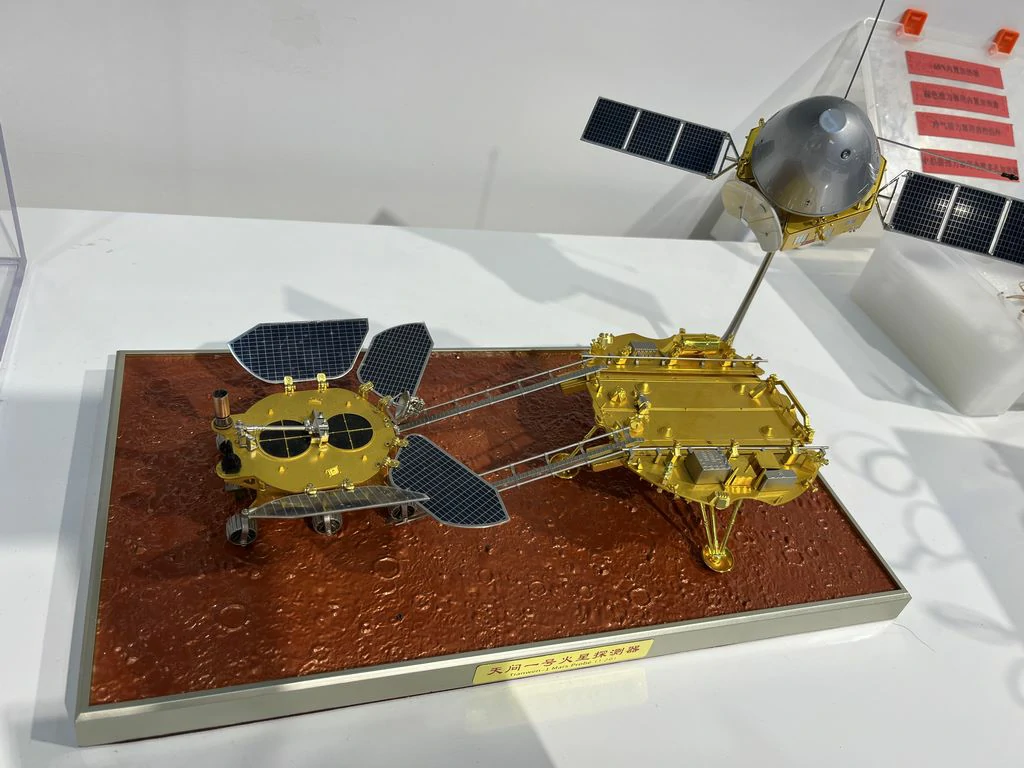
The primary structure features a scale model chassis constructed from 3mm thick ABS board, laser-cut for precision. Structural integrity is enhanced by reinforcing the chassis and robotic arm joints with brass rods, typical components used in industrial model fabrication. The solar panel incorporates a 0.5mm thick acrylic sheet laminated with a gold reflective film, simulating the real material used in space exploration scale model projects. Customized silicone tires, featuring embedded stainless steel core shafts, ensure realistic rotational flexibility for both 3D printing model and scale model applications.
Split Assembly Process
- Main Body Splicing: The ABS board main body components are bonded using chloroform solvent welding, ensuring strong joints. These joints are filled with atomic ash and meticulously polished smooth, preserving the original angular features of the vehicle body essential for accurate scale model representation.
- Mechanical Arm Assembly: The robotic arm features six movable joints connected by micro bearings for smooth articulation. End tools are precision-etched pieces, allowing for tool replacement functionality, often seen in detailed industrial model work.
- Antenna and Mast: The antenna mast is crafted from 0.3mm copper wire, carefully bent into shape. The mast top is constructed using a drip glue process, and the entire antenna surface is finished with matte black spray paint to minimize reflection, a common requirement for scale model and sand table model fidelity.
Aging Treatment and Coloring
- Basic Coating: The chassis is treated with a rust red spray paint for a realistic aged look. The main body receives a matte metal gray base coat. The edges of the solar panel are meticulously colored with a gradient gold effect to enhance realism in scale model detailing.
- Detail Depiction: Employing a dry scanning technique, subtle wear marks are added to the robotic arm. Using oil paint mixed with Martian dust color, specific concave areas of the car body are selectively sprayed to replicate dust accumulation, a key aspect for authentic scale model and sand table model presentation.
- Scene Restoration: The chassis adhesive resin is used to simulate Martian soil particles adhered to the surface. The tire sides are carefully sanded with sandpaper to create a convincing lunar surface texture, adding depth to the scale model environment.
Final Presentation Effect
The culmination of material selection, precise assembly, aging treatments, and scene restoration results in a highly detailed and visually striking custom Mars Rover model. This process ensures the final product meets the high standards expected from expert scale model, sand table model, 3D printing model, and industrial model craftsmanship.