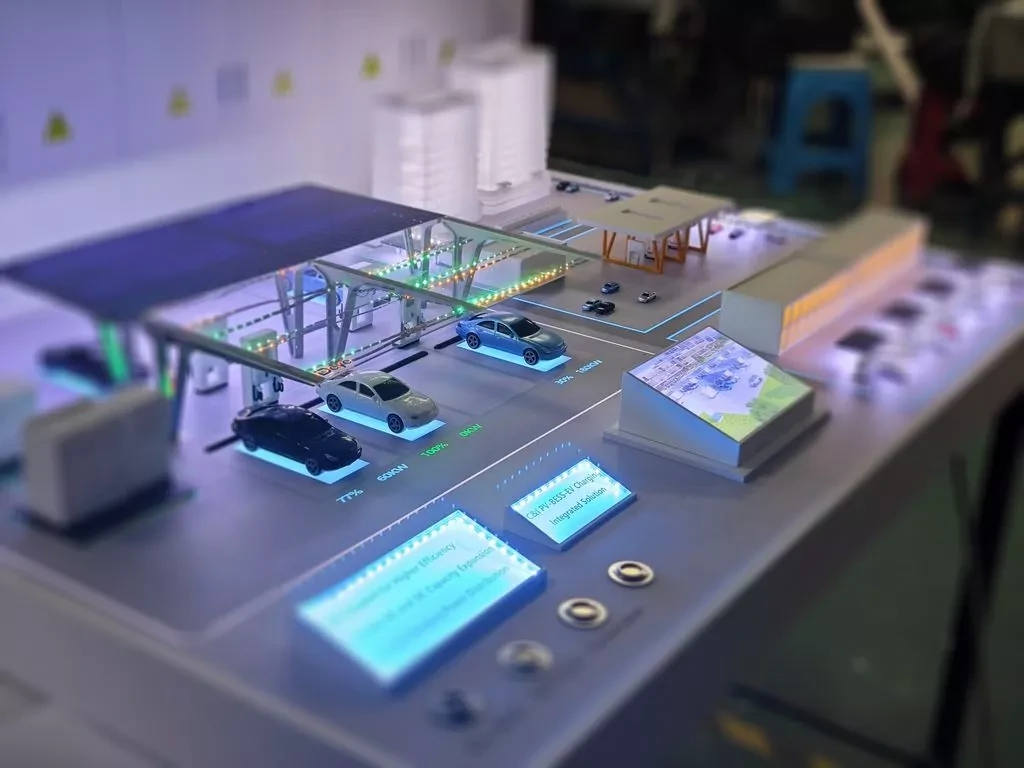
Portable Energy Storage Models | Custom Cabinet Scale Models
This case study details the production process for a Portable Energy Storage Cabinet Model, focusing on creating an accurate and functional scale model.
1. Preliminary Preparation: Material Selection and Design Finalization
Before constructing a custom cabinet scale model for portable energy storage, key decisions must be made regarding scale (e.g., 1:20) and the representation of core components (battery modules, temperature control systems, fire protection devices, energy management module). Material choices are crucial:
- Outer Shell: Prefers a 1.2mm cold-rolled steel plate, which undergoes laser cutting and subsequent baking for finish. This provides structural integrity and a realistic base.
- Internal Framework: Utilizes 3D printing model technology for the battery rack system, designed to be detachable to clearly display internal details. Other internal components are represented accordingly.
2. Structural Fabrication: Step-by-Step Restoration of Core Components
The assembly process involves constructing the enclosure, building the internal structure, and adding finishing details.
Shell Forming
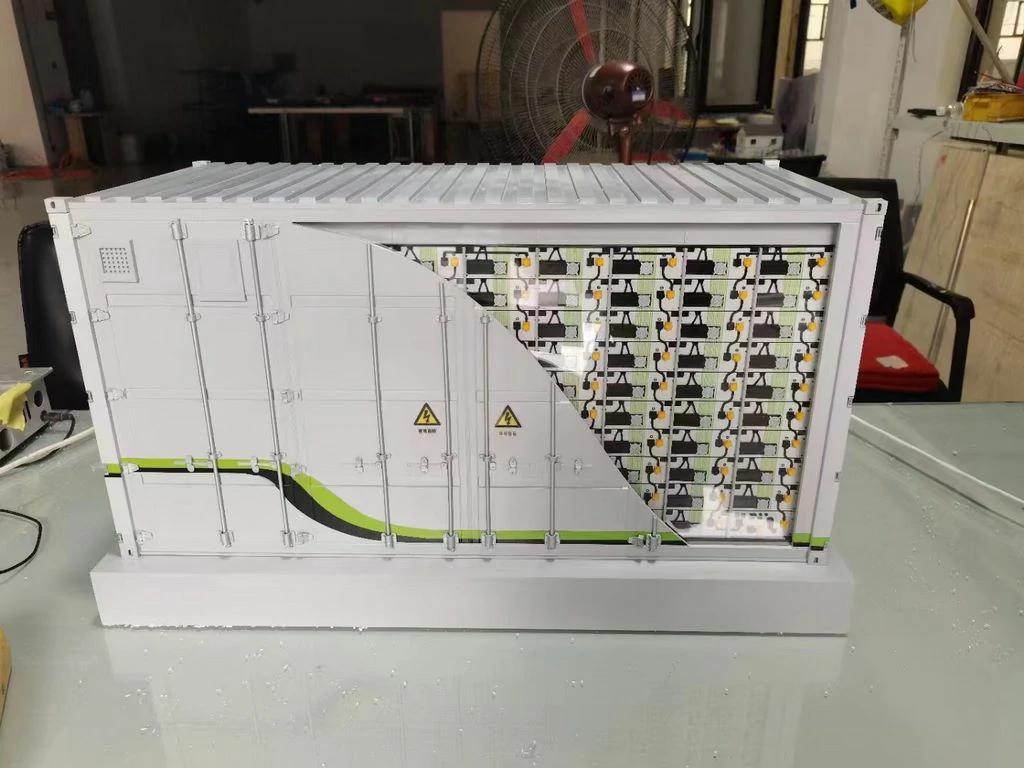
The selected cold-rolled steel plates are laser-cut to the model’s outline. Subsequent processes like bending and welding create the corrugated structure, door locks, and other details. The outer surface is finished with automotive-grade paint and industrial silk screening (e.g., brand logos) to enhance realism and showcase the model’s appearance.
Internal Framework
This is a critical part of creating an accurate scale model. The battery rack system is 3D printed according to the planned layout, designed detachably for easy access to internal components like battery modules. The temperature control system includes a micro-compressor and visible air ducts. The fire protection device uses transparent acrylic pipes to visually represent the fire extinguishing path, maintaining the model’s focus on key systems.
Detail Completion
Specific details enhance the model’s functionality and realism. A specially designed quick-release panel fully reveals the internal wiring layout. The battery module area may feature a transparent shell section, allowing clear visibility into the structure. This approach aligns with the functional logic of a real energy storage cabinet, embodying the “detachable + internal detail display” concept.
3. Post Processing: Coloring and Dynamic System Integration
Post-construction finishing and functional integration are vital for the model’s presentation and operation.
Coloring Process
Painting follows the model’s design, often using low-saturation colors like industrial gray or dark gray for authenticity. Internally, 3D printing model elements may incorporate simulated operational elements, such as LED light strips representing battery charge/discharge states (e.g., SOC changes). The visual representation of current flow aims for a specified accuracy (e.g., ±1%).
Dynamic Control System
To transform the static model into a dynamic representation, a PLC-based three-layer control system (Equipment Execution Layer, Data Processing Layer, Visualization Layer) is implemented. This system supports multiple operating modes:
* Charging Mode: Simulates the working status of a Power Conversion System (PCS).
* Discharging Mode: Models grid peak shaving operations.
* Protection Mode: Demonstrates temperature alarm linkages and protective responses.
This scale model gains operational realism, effectively restoring the actual working logic of the energy storage cabinet.
4. Transportation Adaptation: Ensuring Model Integrity
Proper packaging is essential to maintain the model’s condition during shipping, especially for international transport.
- Securing Components: The steel shell is fixed using buffer materials like foam or bubble wrap to prevent collision and deformation.
- Packing Detachables: Internally detachable components should be disassembled beforehand and packed securely on specialized pallets to avoid loss or damage during transit.
- Packaging Labeling: The shipping box must clearly display “Fragile” and “Moisture-proof” labels to ensure the model’s structure, finish, and integrated systems arrive intact.