Building Sand Table Models | From Drawings to Interactive Scale Scenes
The Art and Process of Building Sand Table Models: From Architectural Drawings to Immersive Scale Scenes
At www.promodelsupply.com, we specialize in the creation of sand table models, often referred to as scale models. These intricate sand table models serve as “miniature worlds,” meticulously condensing elements like architecture, terrain, and dynamic scenes into a single, cohesive unit. Their detailed representation makes them invaluable tools across diverse fields, including military strategy, urban planning, architectural visualization, and industrial design.
Creating a sand table model is both a technical and artistic endeavor. Mastering the entire production process—from interpreting initial drawings to constructing a finished scene—is our core competency. This guide outlines the key steps involved in building a sand table model:
1. Preliminary Preparation: Blueprint Analysis and Technical Planning
The foundation of any successful sand table model lies in thorough preparation.
- Clarify Requirements: Before construction begins, it’s crucial to define the model’s scale and functional purpose. Is this a military sand table model focusing on terrain and tactical elements, or a scale model for urban planning highlighting architectural details and population dynamics?
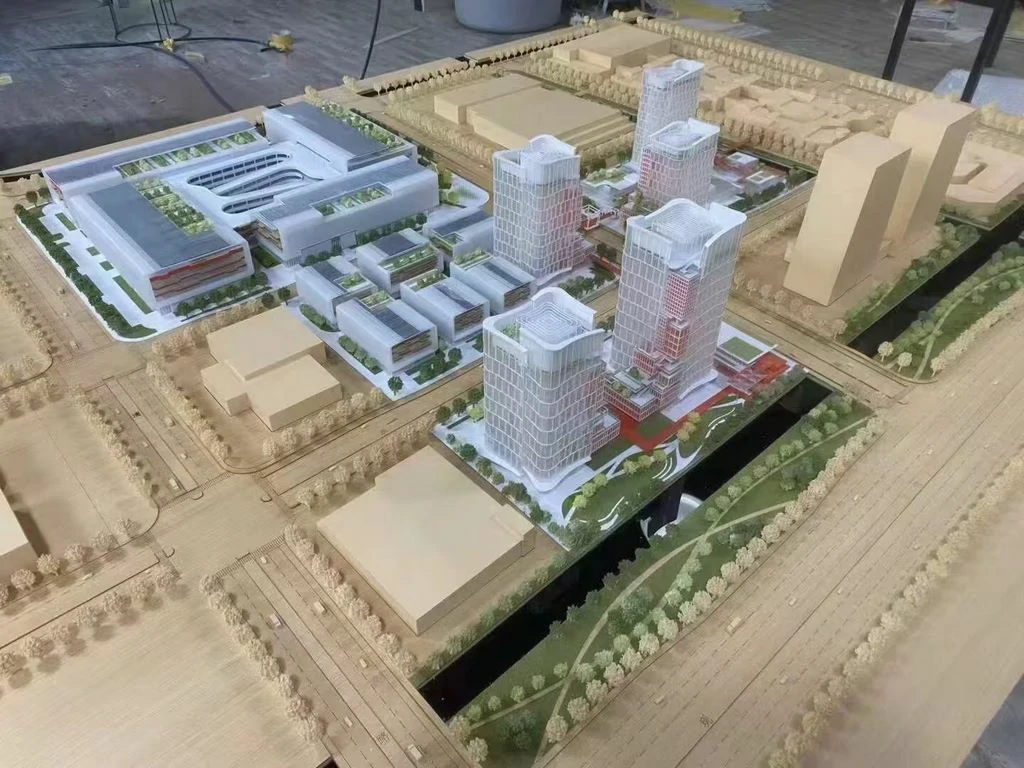
- Drawing Conversion: Utilize CAD, SU, and other design software to import architectural and topographic drawings. Employ computer-aided design (CAD) and laser cutting technology to precisely cut materials like PVC boards and acrylic sheets. This generates the initial framework, defining building outlines, road networks, and landform contours.
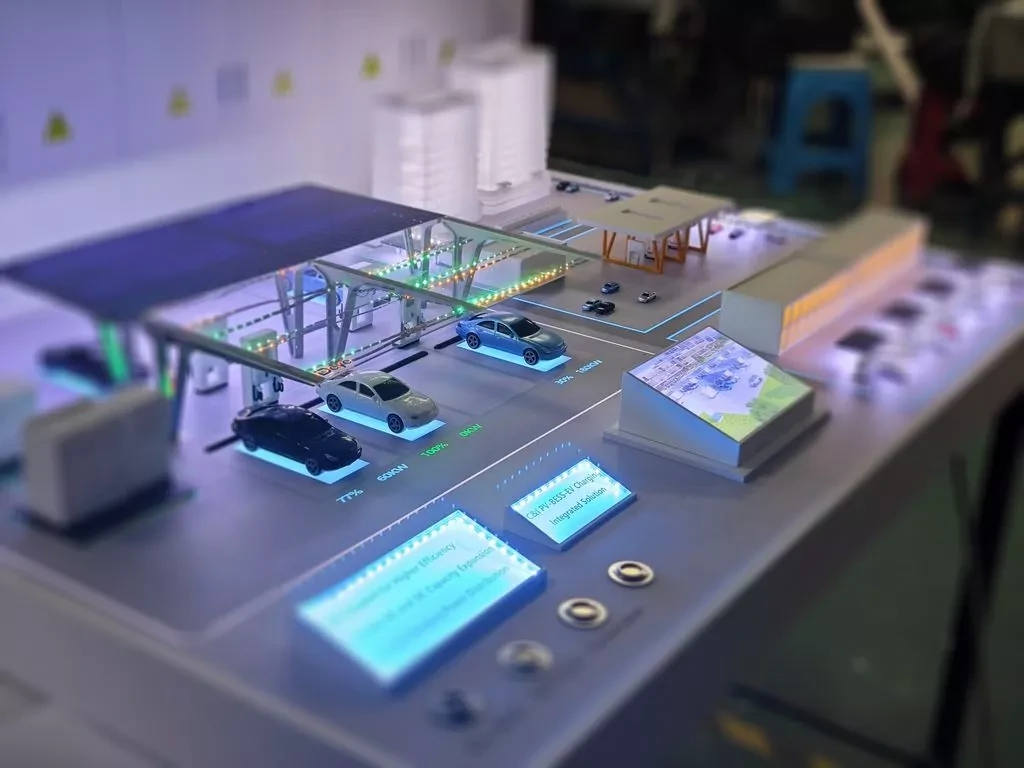
- Technical Evaluation: Based on the project’s objectives, determine if the model should be a static display or incorporate dynamic elements. For instance, military sand table models might feature light-up components for night battle simulations, while scale model projects could include flowing water systems. Plan accordingly and source necessary components like motors, lights, electronics, and potentially 3D printing model parts in advance.
2. Base and Countertop: Creating the Stage for Your Miniature World
The base and tabletop form the structural backbone and visual foundation of the sand table model.
- Structural Construction: Employ a sturdy wooden keel system and a large, stable core board for the tabletop. This ensures the model’s longevity and prevents warping. Consider concealing wiring within the base layers for a cleaner appearance, and construct a table fence (or “sand table fence”) around the perimeter if needed.
- Tabletop Paving: Lay down base layers according to the scene requirements. Use appropriate materials to simulate natural elements like lawns (e.g., textured vinyl or fabric) and paved roads (e.g., miniature tiles or colored acrylic). This provides a textured surface essential for subsequent scale model construction and terrain integration.
3. Architecture and Terrain: Bringing ‘Microscopic Reality’ to Life
These are the core components that define the sand table model and achieve the desired “seeing the big picture in miniature.”
- Architectural Production:
- Basic Framework: Construct building silhouettes using laser-cut PVC boards and acrylic sheets. Carefully assemble complex structures, ensuring accuracy to the original drawings.
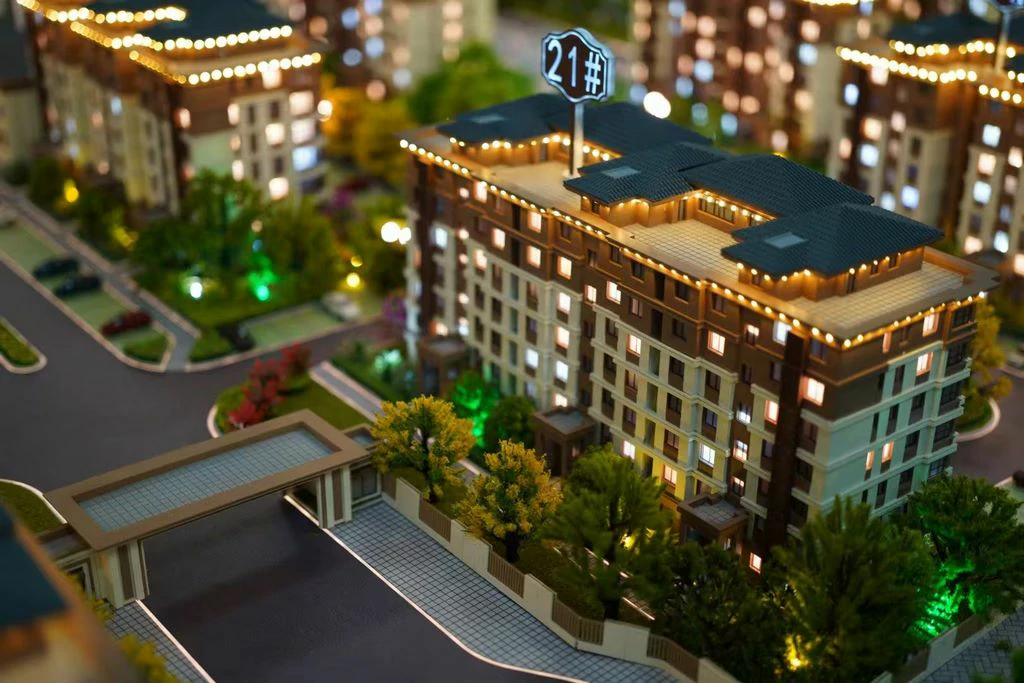
- Detail Coloring: Use fine brushes to paint doors, windows, and other architectural features. Integrate realistic details like copper wire and enamelled wire to simulate internal circuits. Employ yarn powder and thick fishing line to suggest vegetation or piping, adding depth and realism.
- Dynamic Elements: Introduce movable parts and figures. Place miniature vehicles, soldiers, or characters to simulate activity and create interactive scenarios, common in military sand table models or industrial model displays.
- Terrain Shaping:
- Landform Simulation: Sculpt mountains, valleys, and rolling hills using foam, sponges, or other modeling materials. Carefully apply techniques to represent textures like soil, grass, and rock. Use gummed paper and lint (or fine-grained modeling clay) to cover and shape terrain features accurately.
- Water Treatment: Employ transparent acrylic panels or specialized 3D printing model components to represent bodies of water. Integrate lighting beneath the surface to create shimmering effects, significantly enhancing the visual realism of rivers, lakes, or oceans within the scale model.
4. Details and Functions: Elevating ‘Models’ into Engaging ‘Scenes’
Subtle details and functional elements are crucial for immersion and user engagement in the sand table model.
- Microscopic Details: Enhance the ground level with minute details like miniature sidewalks, street lamps, or garden features. Use thick fishing line to subtly represent underground utility lines or pathways, adding layers of realism.
- Macro Functionality: Conduct thorough testing of all dynamic elements. Ensure lighting systems, motorized components, and interactive features (like flowing water or moving platform bases) function reliably. Verify that the scale and style of the architecture harmonize with the surrounding terrain and landscape, creating a cohesive scale model scene.
5. Maintenance and Iteration: Sustaining the ‘Model’s’ Luster
A well-maintained sand table model remains a powerful tool. Establish a routine for upkeep:
- Daily Cleaning: Regularly remove dust from surfaces and ensure all movable parts (vehicles, figures) are securely attached and operational.
- Functional Checks: Periodically test all electronic components, lighting, and motors to identify and repair any malfunctions promptly, ensuring the scale model remains functional and impressive.
6. Craftsmanship and Innovation: Moving Beyond Simple Replication
Building a sand table model is more than just fabrication; it’s a blend of technical skill and creative vision.
- Mastering Craft: Develop deep proficiency with diverse materials (PVC, acrylic, various modeling clays, specialized paints). Understand material properties (transparency, flexibility, hardness) to achieve the desired textures and effects for both 3D printing model components and traditional elements.
- Observation and Grounding: Study real-world counterparts – observe building structures, material textures, and natural landforms. This real-world knowledge grounds the scale model, making it more authentic and compelling, especially for industrial model or architectural presentations.
- Technology Integration: Embrace technological advancements. Incorporate 3D printing model for intricate parts, explore augmented reality overlays, or integrate sensors for interactive storytelling, evolving the static sand table model into a dynamic experience.
Conclusion: The Technological and Artistic Synergy of Sand Table Models
The creation of sand table models represents a sophisticated blend of technology, meticulous craftsmanship, and artistic interpretation. It demands not only precision in faithfully representing architectural and topographic drawings but also creativity in animating the scene through detailed components, dynamic elements, and thoughtful integration of technology like 3D printing model.
As a dedicated sand table model production facility, www.promodelsupply.com leverages this synergy to deliver high-quality scale model solutions. By continuously refining our expertise in material selection, process innovation, and creative iteration, we ensure our models stand out. Our goal is to provide clients with more than just a representation – we aim to deliver the core enterprise tools needed for effective display, teaching, and decision-making through our meticulously crafted sand table models, 3D printing models, and scale models.