Professional Sand Table Model Making | Accuracy & Expressiveness
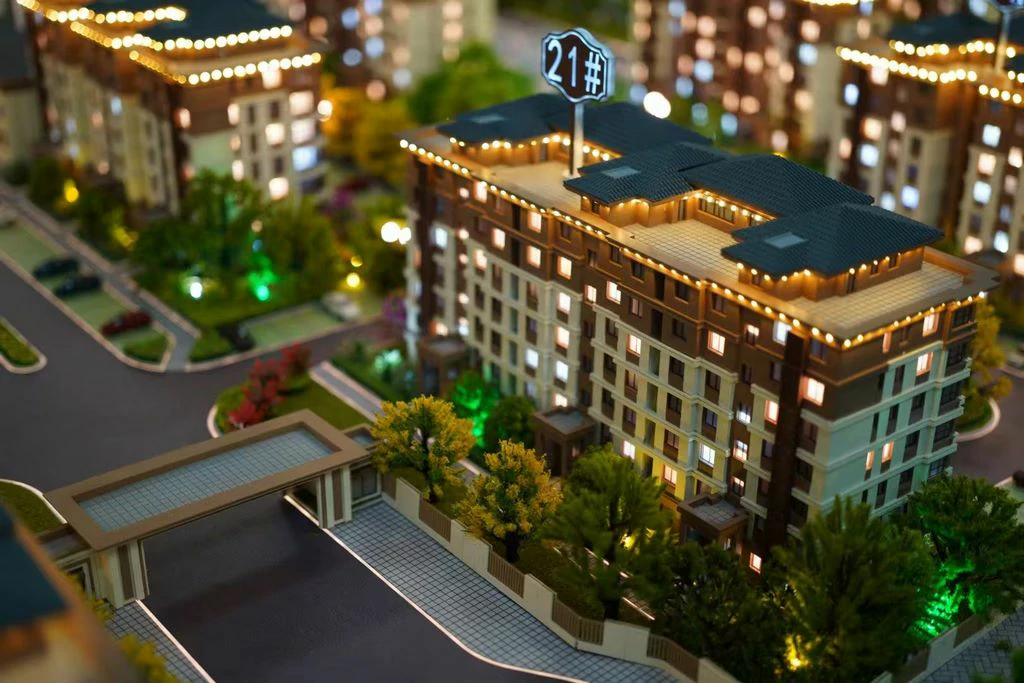
Sand table model making, also known as scale model creation, is an essential three-dimensional display tool across fields like architectural planning, landscape design, and real estate development. The production’s accuracy and artistic expressiveness critically impact the presentation effect and communication efficiency of the plan. This article delves into the core techniques of professional sand table model making, offering guidance to comprehensively improve model quality through precision, detail, and overall expressiveness.
1. Precision Planning and Materials Science: The Foundation
A professional-level sand table model begins with rigorous pre-planning. Before production starts, accurately interpret the design drawings, including the overall plan, floor plans, elevations, and detailed drawings of key nodes. Convert these into clear model production drawings, determining the appropriate scale (e.g., 1:100, 1:200, 1:500), core display focus, and structural logic.
The selection and application of materials directly determine the final model’s texture and accuracy. Modern professional production has moved beyond traditional cardboard and wooden boards, widely utilizing:
- ABS board, Acrylic: Used for building main bodies, favored for ease of cutting, bonding, and polishing, resulting in high surface smoothness.
- 3D Printing (Resin/Photosensitive Resin): Ideal for complex-shaped components, fine textures (like classical architectural ornamentation), characters, and vehicles. This technology achieves details unattainable by traditional processes.
- Laser Cutting of Wooden Boards/Acrylic: Ensures precise and consistent cutting for walls, windows, and intricate hollow patterns.
- **Professional Model Coating and Spraying Equipment**:** Achieves uniform paint surfaces, realistic material simulations (metal, glass, stone), and delicate color transitions.
[ ]
]
2. Core Production Process and Detailed Refinement
Building Main Body Production: Employ the “stacking” process, decomposing the building into base, walls, floors, roof, etc., for separate, meticulous processing and assembly. Often, transparent acrylic sheets are combined with laser-cut window frame film and etching to simulate real window frames, glass, and ultra-fine elements like railings and grilles.
Environmental Landscape Creation:
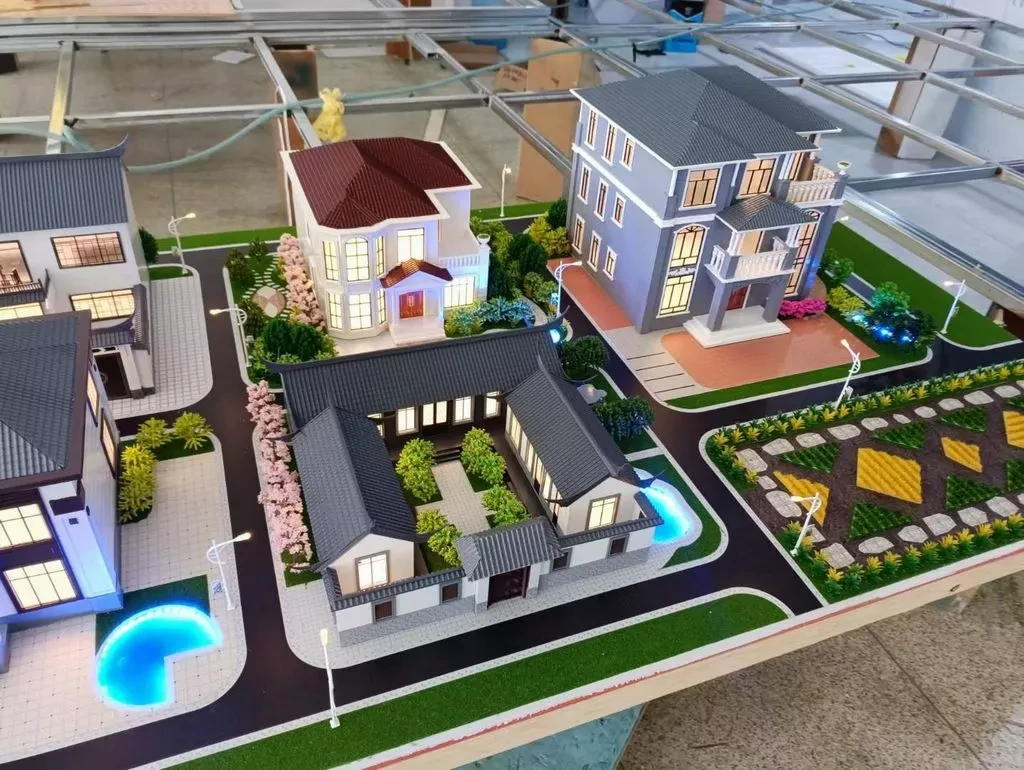
- Terrain and Landform: Use high-density foam board for carving and polishing layered terrain, or employ a CNC engraving machine for precise contour shaping. Cover surfaces with specialized model grass powder and terrain paste to create textures.
- Greening Vegetation: Employ layered production: base layer with grass powder and electrostatic flocking; shrubs using sponge powder staining or specialized model shrubs; fine trees paired with professional cluster leaves, ensuring appropriate tree species and scale.
- Waterscape: Utilize multi-layered stacked transparent acrylic panels, combined with gradient blue spray on the bottom and surface, and epoxy resin adhesive to create depth and ripple effects.
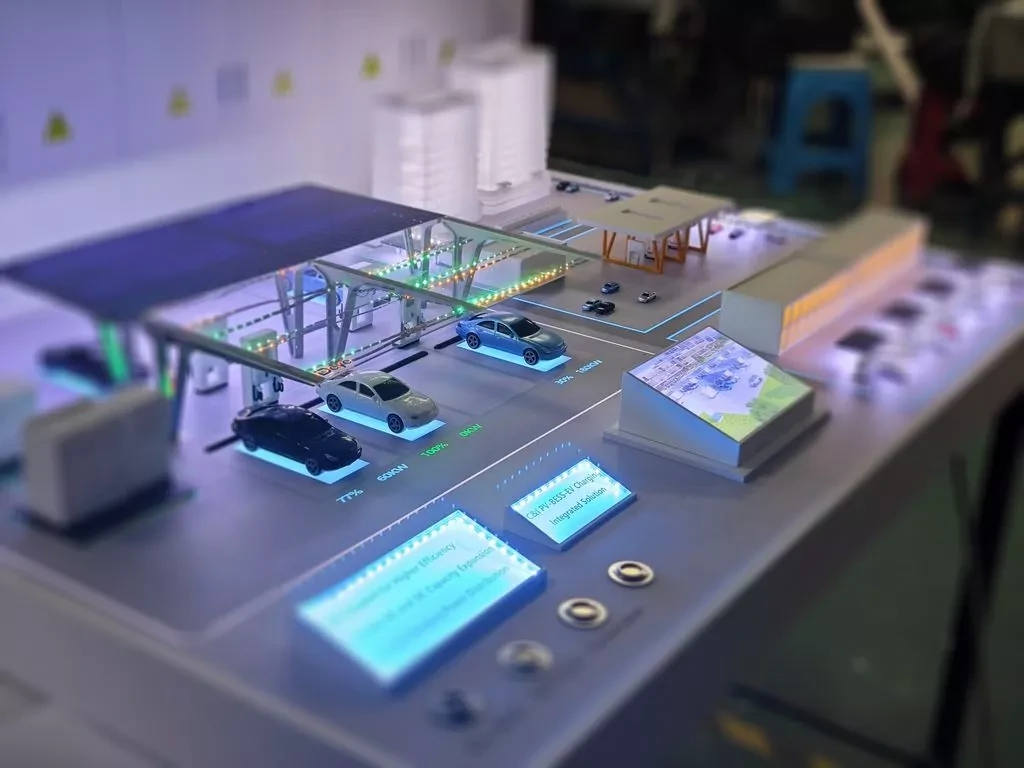
Integration of Lighting and Dynamic Systems: Incorporate an intelligent LED lighting system (cold light, warm light, RGB adjustable) for building transparency, road lighting, and simulating day-night cycles through programming, highlighting key areas. Add dynamic elements like rotating fans or moving vehicles (using maglev or micro-tracks) to significantly enhance the display’s appeal.
3. Artistic Processing and Overall Coordination
Detail aging and stain treatment can increase realism and narrative depth. Crucially, achieving unity in overall color tone, creating visual focus, and ensuring coordination between scale and color across elements (architecture, landscape, figures) is paramount. A professional sand table model is not merely a precise miniature engineering project but also a complete work of art.
By mastering these professional sand table model techniques, combined with patience and artistic aesthetics, one can create models that accurately convey design information while possessing strong visual impact and memorability. These sand table models become indispensable tools in project communication and decision-making.
Keywords: scale model, sand table model, 3D printing model, industrial model, architectural model, landscape model