Small Engine Scale Models | Custom Model Factory Solutions
This page explores the specialized field of custom model factories focusing on small engine scale models, providing an in-depth analysis from concept to practical application.
1. Conceptual Decomposition and Introduction
The term “Small Engine Model Customization Factory” encapsulates three core concepts: small engines, models, and customization. Together, they represent a highly specialized, technology-intensive modern manufacturing service model.
Firstly, small engines typically refer to internal combustion engines or micro turbine engines characterized by their compact size, moderate power output, and intricate structure. These are widely utilized in applications like drones, model aircraft, small generators, agricultural machinery, and educational experimental setups. Despite their small size, they integrate complex systems (combustion, lubrication, cooling, ignition), making them a miniature representation of precision mechanical engineering.
Secondly, in this context, models go beyond static displays. They are physical replicas designed for structural fidelity, dynamic demonstration, and sometimes even interactive teaching capabilities. Examples include 1:1 transparent teaching models or scaled-down operational demonstration units, showcasing internal mechanisms, working principles, or airflow dynamics.
Finally, customization factories highlight the capacity for on-demand production and flexible manufacturing. Unlike traditional mass production lines, these facilities excel at rapid response to design modifications, supporting small-batch or single-unit production. They leverage advanced technologies like 3D printing model and CNC machining, offering a comprehensive solution from design and modeling, material selection, functional implementation to post-assembly.
Therefore, the small engine model customization factory is fundamentally an innovative service platform integrating precision manufacturing, digital design, and specialized educational or display requirements, catering to sectors like education, research, enterprise marketing, and the high-end model enthusiast market.
2. Related Questions and Answers
Question 1: What distinguishes a customized engine model from a standard toy or display item?
Answer: The key difference lies in authenticity and functionality. Standard toys often replicate appearance superficially, whereas custom models prioritize precise structural replication. For instance, a scale model might employ a transparent casing to visualize internal components like crankshafts and valve movements, potentially even replicating operational timing via motorized drive. High-end examples might incorporate LED lighting to simulate combustion or airflow, or AR systems for interactive virtual disassembly and principle explanations. Furthermore, industrial-grade materials (ABS plastic, aluminum alloy, carbon fiber) are frequently used, ensuring longevity and professional quality over standard consumer plastics.
Question 2: How do custom factories accommodate diverse requirements, such as different engine types or scale ratios?
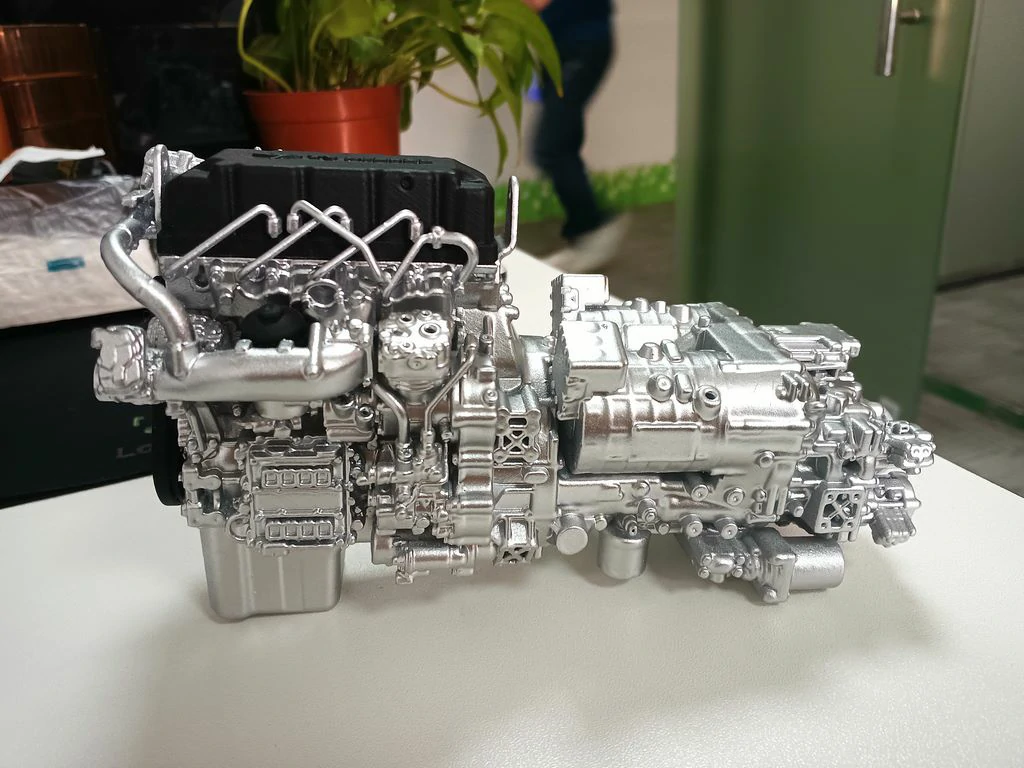
Answer: This is the core strength of a custom model factory. Leveraging digital design platforms (CAD/CAE) alongside additive manufacturing (3D printing model) allows for rapid transformation from design specifications to tangible objects. For example, a request for a 1:5 scale miniature turbojet engine scale model for an aviation expo could involve accessing a turbine structure database, rapidly modeling based on client parameters, using CNC machining for metal blades, 3D printing for complex components, and finally assembling a scientifically accurate and aesthetically pleasing display piece. Modular design principles enable flexible switching between production processes for various engine types (piston, turbojet, turboprop), embodying a “multi-energy” approach within a single facility.
3. The Benefits of Establishing or Partnering with a Custom Model Factory
Collaborating with or establishing a small engine model customization factory offers significant value across multiple domains:
- Educational and Research Value: Institutions like universities and vocational schools gain access to high-fidelity scale models, enhancing student comprehension of engine principles and bridging the gap between theory and practice. Research organizations benefit for preliminary structural validation or demonstrative reporting.
- Enterprise Display and Market Promotion: Engine manufacturers can utilize transparent operating models to showcase their technological prowess at exhibitions, building customer trust. Startups can leverage detailed scale models to effectively communicate product concepts during fundraising or partnership discussions.
- Driving Technological Innovation and Industrial Collaboration: Custom model factories often integrate design, simulation, manufacturing, and testing, fostering local advancements in precision manufacturing and digital technology. They also provide crucial prototype development support for emerging sectors like drones (integral to the “low-altitude economy”), accelerating the transition from concept to viable product.
- Meeting Niche and Personalized Needs: Groups like model aircraft clubs, museums, and science centers often require highly specific, accurate models. Custom model factories fill this niche, addressing market gaps left by standardized production.
In conclusion, a small engine model customization factory transcends being just a production entity; it functions as a bridge connecting technology, education, and the market. It represents a crucial direction in the evolution of intelligent manufacturing towards higher precision, smaller batch sizes, and greater personalization. The expertise in creating industrial models through processes like 3D printing model and CNC machining is central to this value proposition.