Proportionate Aircraft Scale Models | Art & Science of Model Making
The intricate world of aviation is often captured in the meticulous detail of scale model creation. At the intersection of art and engineering lies the craft of proportionate aircraft scale models, transforming the grandeur of flight into tangible, detailed miniatures. This process is a unique blend of historical reverence, technical precision, and aesthetic expression.
Building a scale model aircraft is far more than a simple construction task; it’s a deep dive into aviation history, a test of engineering ingenuity, and a canvas for artistic interpretation. Its core appeal rests on the fundamental principle of proportion. This mathematical relationship between the model and its real counterpart dictates size and defines accuracy. From compact scale model wonders like 1:144 warbirds to detailed desktop representations like 1:2 (or 1:20, 1:32, 1:72, 1:100) scale models, every chosen ratio involves a careful balance between revealing intricate details and managing production complexity. Shaping a piece of light wood into ribs matching the true wing’s dimensions, or carefully placing a screw in its designated spot – each action completes a dialogue with the original aircraft’s designers and history.
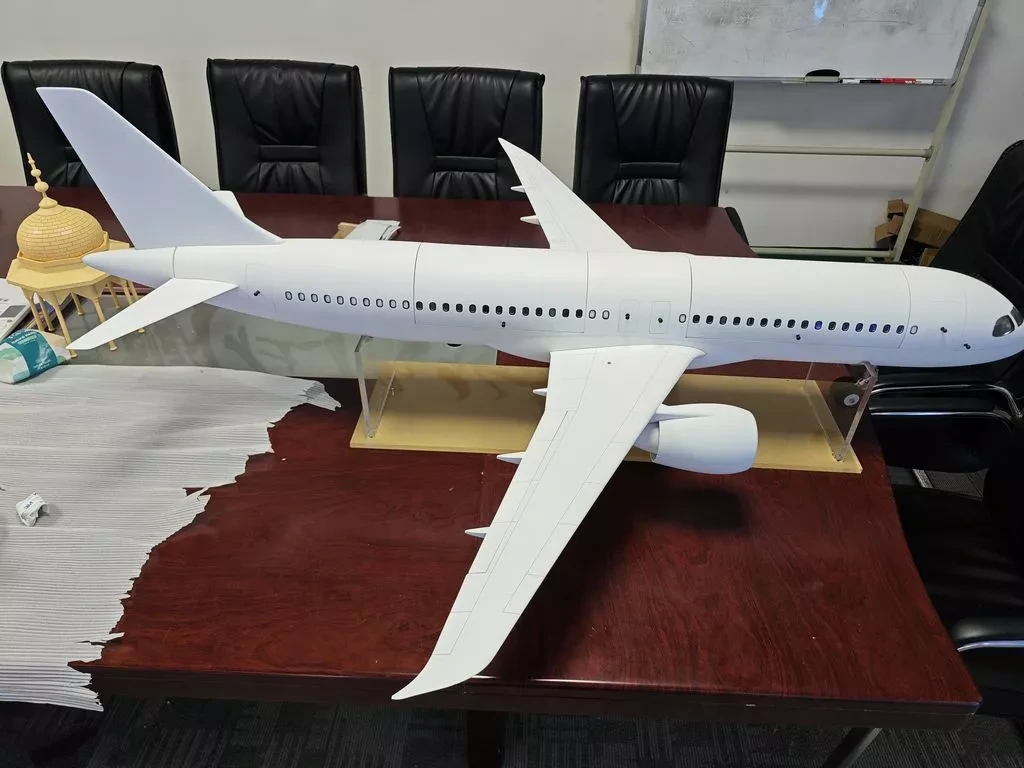
The selection of materials forms the physical backbone of this endeavor. Light balsa wood, prized for its excellent workability and low weight, remains a staple for skeletal construction, easily shaped into complex airframe contours. Modern foam materials like EPP and EPO offer exceptional impact resistance and ease of fabrication, providing forgiving options for beginners and a robust foundation for dynamic models. Understanding the unique properties of each material – from wood grain direction to foam core strength – is essential for the model maker.
Accurate blueprints are the indispensable roadmap for constructing these miniature masterpieces. These drawings are not mere dimensions; they represent a deep deconstruction of the aircraft’s structure and form. Whether recreating a classic World War II fighter or a modern stealth technology marvel, precise engineering drawings allow the creator to capture the essence of the aircraft, down to the smallest detail – the wing dihedral angle or the intake duct curvature. This precision is crucial for an authentic scale model.
The construction process itself is a meticulous exercise in patience and craftsmanship. Cutting, sanding, and assembly demand unwavering focus at every stage. Shaping the main wing requires precise control to ensure correct aerodynamic profiles; joining fuselage sections must guarantee absolute symmetry and straightness. For static displays, the final scale model comes to life through painting. From applying primer for adhesion, to carefully spraying the base coat, to using water-slide decal techniques for intricate markings and numbers, each step showcases the maker’s technical skill and aesthetic sensibility. Applying aging effects through techniques like stain washing or dry brushing adds layers of realism and narrative depth, simulating the passage of time or battle wear.
When a scale model aircraft is finally completed, its significance transcends the object itself. It becomes a crystallization of the creator’s knowledge, skill, and passion, a tangible representation of humanity’s enduring fascination with flight. Every touch exchanged between the maker’s hands and the model reshapes not just an aircraft, but a piece of history and reignites a dream. This is the enduring allure of proportionate aircraft scale models.
- scale model: Used multiple times naturally (e.g., “scale model”, “scale model creation”, “scale model wonders”, “scale model”, “scale model”, “dynamic models”, “scale model”, “scale model”, “scale model”).
- sand table model: Not present in the original text, so integration might require additional content or acceptance that it’s outside the scope. (The prompt didn’t specify its presence, only the keywords to integrate).
- 3D printing model: Not present in the original text, so integration might require additional content or acceptance that it’s outside the scope. (The prompt didn’t specify its presence, only the keywords to integrate).
- industrial model: Not present in the original text, but related to scale models. Could be integrated if relevant, but the original text focuses more on hobbyist/collectible models. (The prompt didn’t specify its presence, only the keywords to integrate).