Custom Equipment Scale Models | Industrial Machinery Model Maker
Equipment Sand Table Model Making: Your Partner for Precision Visualization
What are Equipment Sand Table Models?
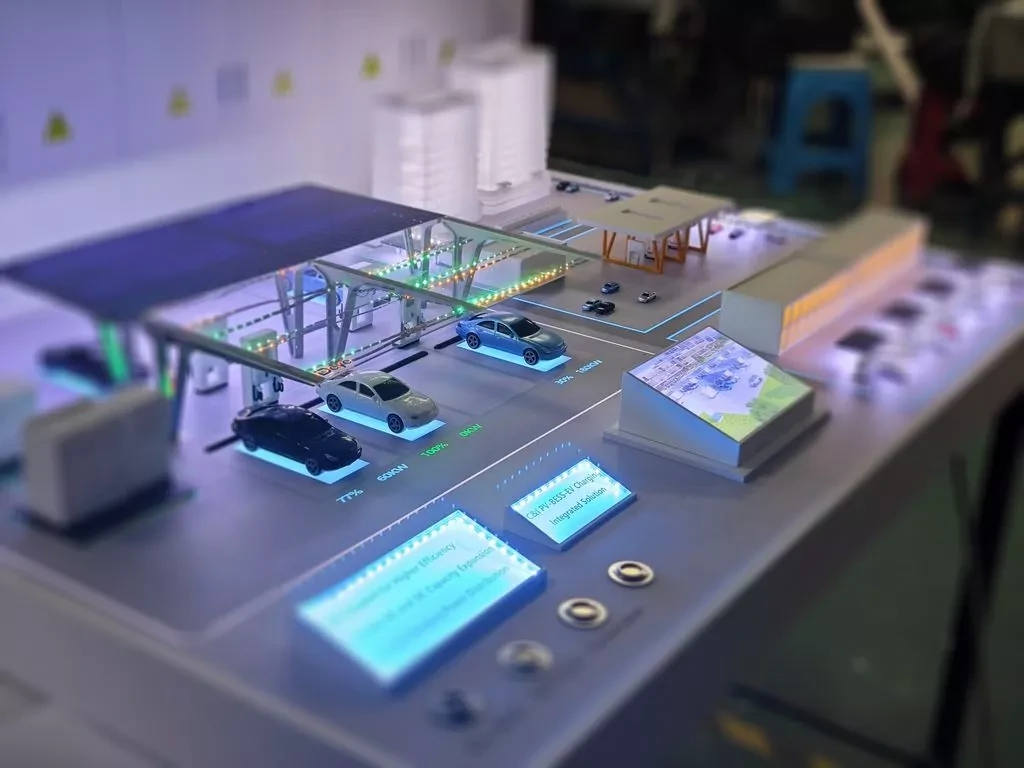
Equipment sand table model making is the specialized process of transforming the intricate structural principles, spatial layouts, and operational mechanisms of industrial equipment (from single machines to complex production lines or equipment groups) into tangible, three-dimensional (3D) physical scale models. These models meticulously translate real-world equipment specifications and spatial relationships into a visual format. Our approach emphasizes scale model creation, focusing on accurate prototype restoration, compelling visual presentation, and optimal display adaptability. We utilize precise scaling (typically 1:50 to 1:20 (error ≤2%)) and offer flexible design options, including static display and basic dynamic simulation, resulting in high-quality sand table model and industrial model solutions. These detailed scale model representations are invaluable for international industrial exhibitions, project demonstrations, and technical communications, serving as powerful intuitive display carriers.

Frequently Asked Questions (FAQ)
Q1: How do you ensure the accuracy and fidelity of the scale models, especially for complex and precision machinery?
A: Accuracy is paramount in our process. We begin with rigorous data collection, utilizing authoritative CAD drawings, precise dimensional parameters, and high-resolution photos of the actual equipment. This ensures the resulting scale model captures every critical aspect – the complex shape, intricate layout, and essential details – faithfully reflecting the original machinery. Our quality control involves a three-tier inspection process: pre-production sample verification, in-process precision measurement (using advanced tools), and post-production overall debugging. This guarantees the sand table model meets international display standards and fully embodies the characteristics and complexities of the industrial model being represented.
Q2: How does your process adapt to meet the needs and expectations of international clients and diverse global standards?
A: We prioritize internationalization and universal standards. All labels, instructions, manuals, and accompanying documentation are provided in standard English. Our models are designed with international display scenarios in mind: optimized for clear visual impact with appropriate lighting and markings, constructed from non-toxic, flame-retardant materials, and equipped for universal voltage compatibility (110V-220V). These features ensure our scale model and sand table model solutions seamlessly integrate into various international exhibition venues and operational environments, meeting global safety and technical requirements.
Key Benefits of Our Custom Equipment Models
1. Enhanced Visualization and Communication
Our detailed scale model provides an immediate and intuitive understanding of complex equipment systems. Unlike abstract drawings or videos, a physical sand table model allows stakeholders – from engineers to executives – to quickly grasp the structure, layout, and core functionalities of the industrial model. This significantly improves communication efficiency and decision-making during presentations, reviews, or exhibitions.
2. Superior Visual Appeal and Professionalism
A professionally crafted scale model is more than just functional; it’s a statement of quality and expertise. Our models boast a sleek, professional appearance that effectively highlights the sophistication and strengths of the represented equipment and the client’s project. This high level of craftsmanship attracts attention and leaves a lasting positive impression on audiences at trade shows, conferences, or client meetings.
3. Effective Tool for International Engagement
Our sand table model serves as an excellent intuitive carrier for international project negotiations, technical discussions, and global exhibitions. The universal language of a physical industrial model helps bridge communication gaps, clearly convey technical specifications and project value to diverse international partners and clients, thereby fostering collaboration and promoting successful project outcomes.