Aircraft Engine Training Models | Custom Aviation Learning Models – Aeroengine Scale Model Making
I. Understanding Aeroengine Model Making
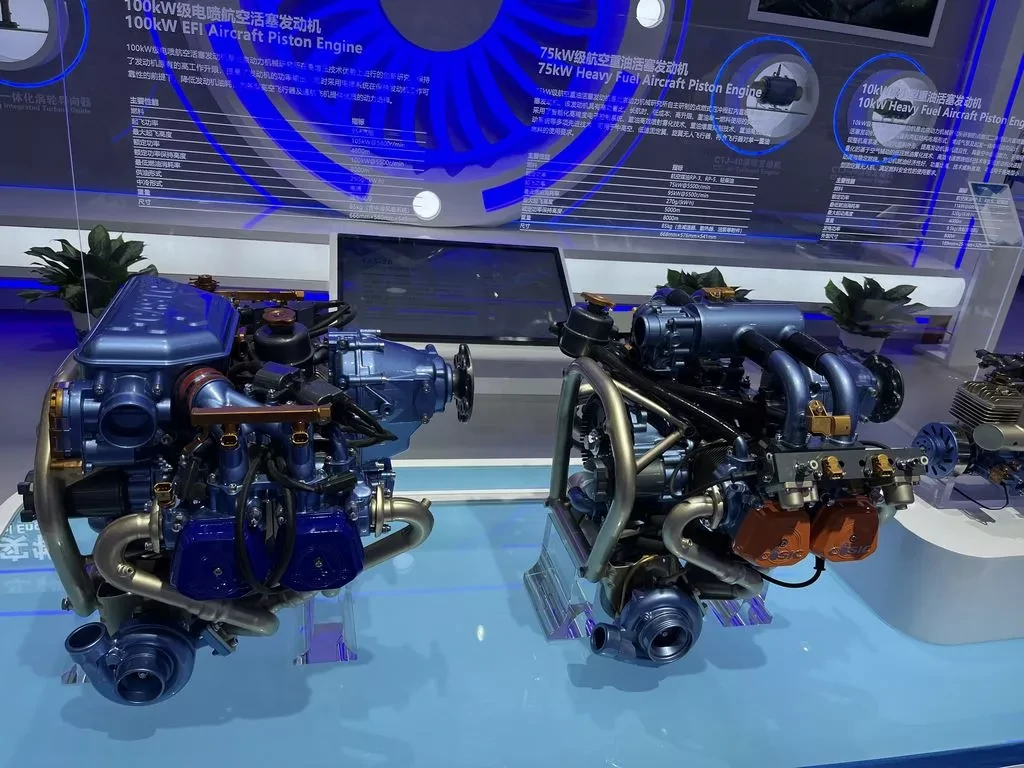
Aeroengine model making involves translating the complex structural principles, intricate component relationships, and dynamic working mechanisms of aircraft engines into tangible, interactive 3D physical representations. These models, often referred to as scale model solutions, are meticulously crafted based on precise real-world engine data. Utilizing techniques like sand table model creation principles adapted for aviation, along with precision engineering (proportional scaling, error tolerance ≤1.5%, typically ranging from 1:10 to 1:5
50), and appropriate material selection (such as aluminum alloy and acrylic to replicate prototype textures), these 3D printing model prototypes prioritize scientific fidelity, teaching effectiveness, and operational interactivity. They represent a specific type of industrial model focused on aerospace education. These detailed models are widely employed in international aerospace teaching programs, pilot training, and technical communication.
II. Frequently Asked Questions (FAQ)
Q1: How do you ensure the accuracy of complex aeroengine models?
A: Achieving precision for intricate engine designs relies on rigorous data acquisition and meticulous control throughout the process. We utilize authoritative CAD drawings, technical manuals, and 3D printing model data from the actual prototype. Key components often benefit from sand table model techniques or advanced 3D printing model methods for accurate replication. Our quality assurance involves multi-stage inspections (pre-production design verification, ongoing precision measurement, and final overall debugging) to guarantee the model’s fidelity to the real engine, meeting stringent international teaching standards.
III. Key Advantages
The creation of specialized scale model aircraft engines offers several significant benefits:
- Enhanced Learning Efficiency: These detailed models simplify abstract concepts, accelerating the understanding of complex engine principles. Compared to traditional teaching methods, they can improve learning efficiency by over 50%, enabling learners to quickly grasp intricate mechanics.
- Reduced Training Risks and Costs: Serving as a safe and cost-effective alternative to expensive, operational real engines, these models drastically reduce training expenses (potentially by 60%-70%) while allowing students to practice procedures safely. They function as essential industrial model tools for simulation.
- Facilitated International Collaboration: These accurate, interactive models act as powerful communication tools. They serve as an intuitive carrier for technical exchanges, global teaching displays, and industry showcases, significantly enhancing professional persuasiveness and fostering international cooperation.