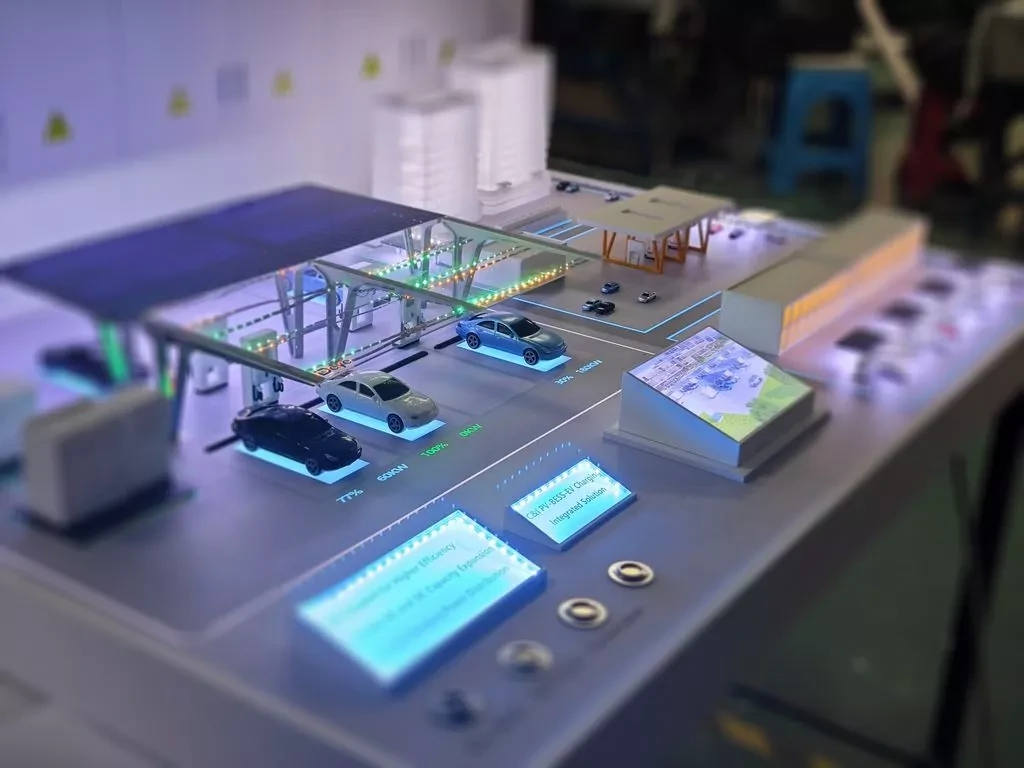
Modern Factory Scale Model Solutions | Sand Table Model Verification
In today’s rapidly evolving industrial landscape, the design and construction of modern factories are critical to driving industrial upgrading and technological progress. Ensuring the feasibility and efficiency of new factory plans requires thorough verification. Physical validation of the manufacturing facility is an indispensable step, and using detailed sand table models for factory scheme verification is an innovative and highly effective method to demonstrate modern factory design concepts. Below, we explore how to validate modern factory solutions through scale model creation and highlight their practical application value.
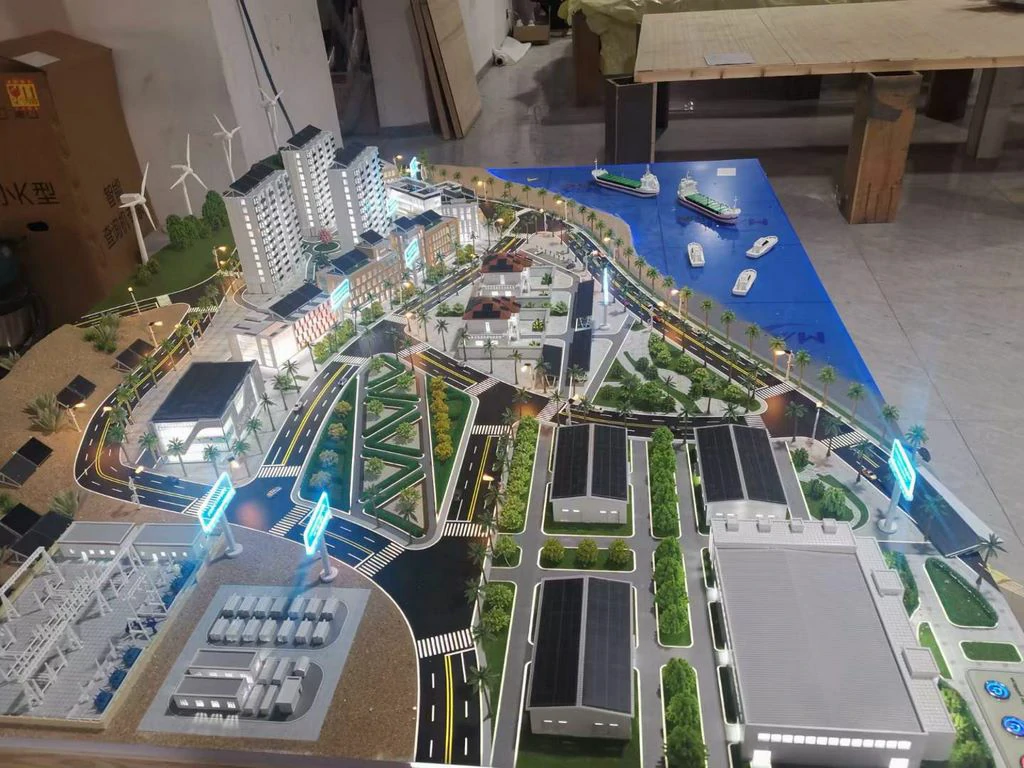
Understanding the core value of the sand table model is essential. These models, often produced using professional 3D printing model technology, accurately reproduce key elements such as factory layout, equipment configuration, and process flow. This highly simulated physical industrial model allows engineers and decision-makers to intuitively evaluate the effectiveness of design solutions, promptly identify potential issues, and make necessary optimization adjustments. Furthermore, the sand table model offers the advantages of being easily transportable and modifiable, enhancing the flexibility and efficiency of on-site verification.
Take an advanced manufacturing enterprise, for example. For a new automated assembly line project, the company employed a 3D printing model for scheme verification. By constructing a scaled-down factory model, the enterprise simulated the operation of the production line in a virtual environment. This process saved considerable time and cost while enabling team members to quickly identify design deficiencies—such as spatial conflicts between devices or material flow bottlenecks—by monitoring data from the scale model in real-time.
Additionally, the sand table model plays a vital role in showcasing modern factory concepts. It helps visitors better understand the working principles of complex systems while stimulating innovative thinking within teams and fostering cross-departmental communication and collaboration. Through interactive experiences, the scale model serves as a crucial bridge connecting theory and practice, as well as abstract concepts and specific operations.
Beyond these applications, the industrial model is also indispensable in the field of education. Schools and enterprises can utilize sand table model teaching to enable students to learn advanced production technology and management knowledge through hands-on operation. This teaching method enhances students’ interest in learning, improves their practical skills, and cultivates their innovative spirit.
As the best carrier for modern factory scheme verification and demonstration, the scale model provides an intuitive and efficient method for validation, significantly enhancing the feasibility and operability of the plan. By physically verifying the production factory, we can ensure the successful implementation of new solutions while promoting continuous progress in industrial design and innovative development within the industry. With ongoing technological advancements, it is certain that more innovative approaches will emerge, offering greater possibilities for the construction and management of modern factories.