Miniature Garden Sand Table Models | Creative Scale Model Making
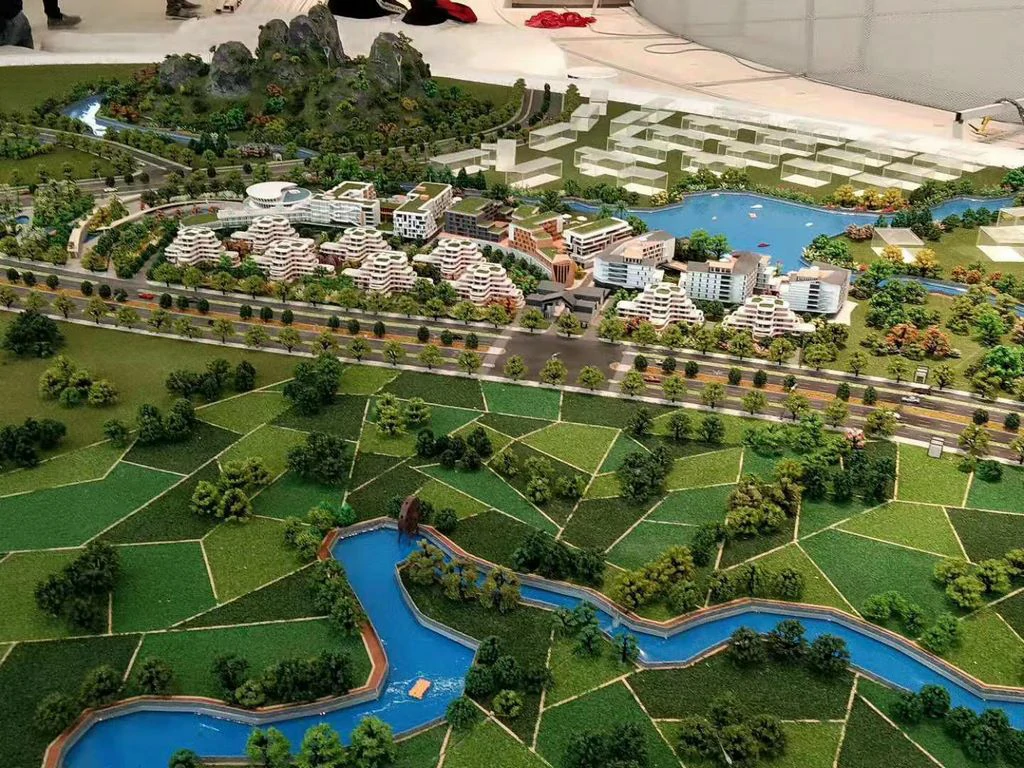
In today’s world of innovation and intricate detail, miniature gardens and sand table models have emerged as captivating art forms. These scale model creations not only transform abstract desires for natural beauty into tangible artistic expressions but also inspire creativity and imagination. Let’s dive into the wonders of miniature gardens and sand table models, exploring their unique charm and possibilities.
What Are Miniature Gardens and Sand Table Models?
Miniature gardens are scaled-down representations of natural landscapes, showcasing the delicate beauty of elements like flowers, hills, and foliage. On the other scale model, sand table models focus on reducing real-world terrain or architectural structures to specific proportions, allowing for detailed visualization. Both serve as versatile tools for creativity, study, and artistic expression.
Key Features of Miniature Gardens
Miniature gardens excel in highlighting intricate details. By working at a reduced scale, these models allow us to appreciate the subtleties of nature, such as the texture of a leaf or the contours of a miniature hill. They also serve as educational tools, helping us understand ecological balance and biodiversity in a compact form.
The Appeal of Sand Table Models
Sand table models emphasize macroscopic depictions, making them ideal for visualizing large-scale landscapes or architectural designs. These scale model creations aid in studying geographical features, urban planning, and even industrial layouts. Their ability to simplify complexity while maintaining realism makes them indispensable in both creative and analytical contexts.
The Connection Between Miniature Gardens and Sand Table Models
These two art forms are closely intertwined. Miniature gardens often serve as foundational elements in sand table models, adding layers of detail and realism. By combining these elements, creators can produce dynamic and immersive scale model environments that cater to a wide range of interests.
How to Create Miniature Gardens and Sand Table Models
Crafting these scale model wonders requires precision and creativity. Here’s a step-by-step guide:
1. Gather Tools and Materials:
– Magnifying glasses, rulers, pencils, erasers, and other precision tools.
– High-quality modeling materials, such as sand, miniature plants, and scaled components.
- Plan Your Design:
- Sketch your concept, ensuring all elements adhere to the chosen scale.
-
Map out the placement of features like terrain, structures, or decorative elements.
-
Execute the Model:
- Build the foundation, ensuring accuracy in proportions.
-
Add details carefully, focusing on texture, color, and lighting effects.
-
Refine and Finalize:
- Inspect your work for precision and balance.
- Make adjustments to enhance realism and visual appeal.
Keywords to Enhance Search Visibility
To maximize SEO, incorporate terms like scale model, sand table model, 3D printing model, and industrial model naturally throughout the content. These keywords attract diverse audiences, from hobbyists to professionals in architecture and design.
Applications Beyond Art
While miniature gardens and sand table models are inherently artistic, their applications extend to fields like urban planning, education, and even 3D printing model development. These scale model tools help visualize complex scenarios in an accessible way, making them valuable across industries.
In conclusion, whether you’re crafting a serene miniature garden or a detailed sand table model, the possibilities are endless. By embracing creativity and precision, you can turn abstract ideas into stunning scale model realities.