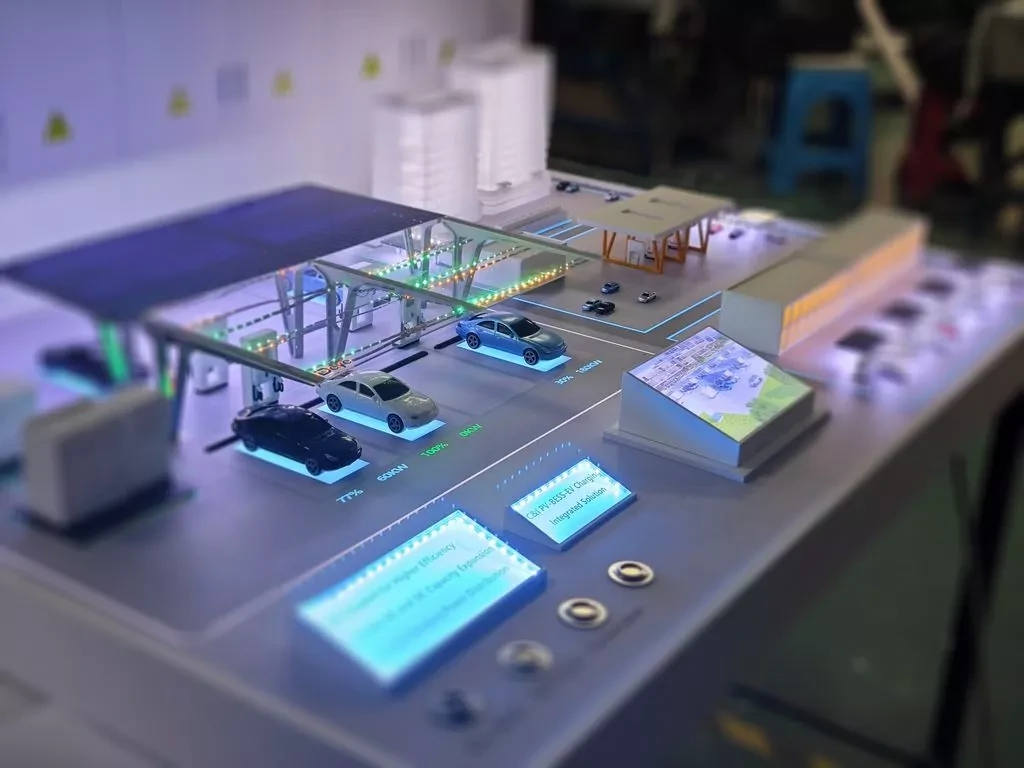
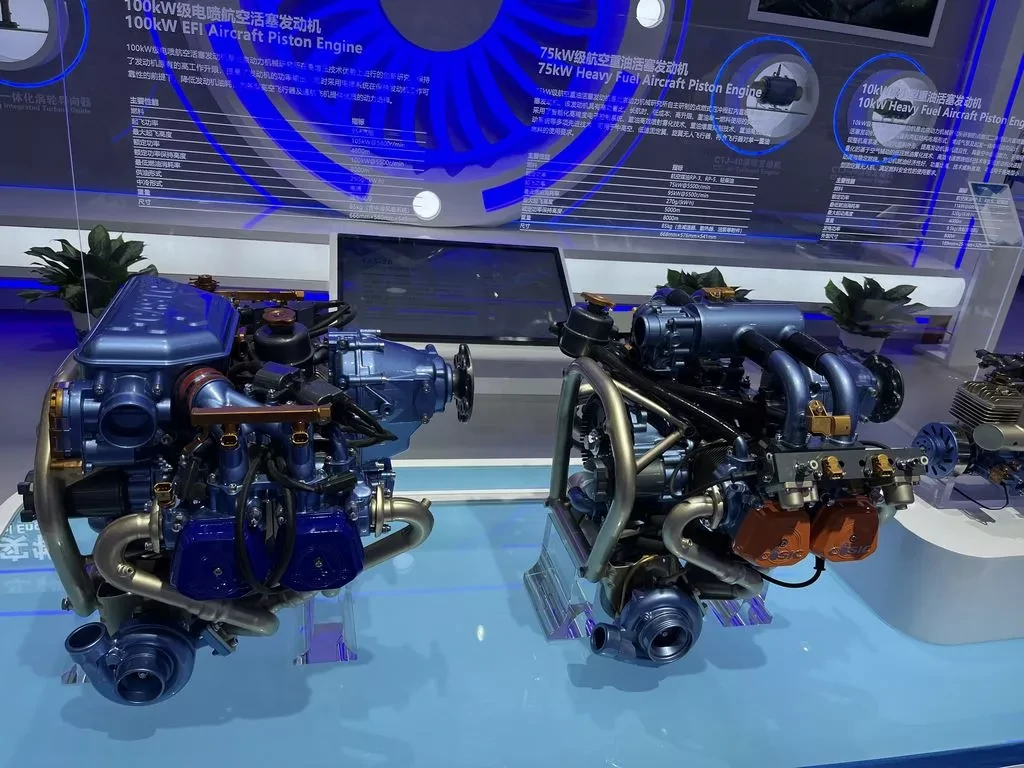
Miniature Equipment Models & Engine Model Customization | Precision Industrial Models Manufacturer
Image: Miniature Equipment & Engine Models | Custom Industrial Models
1. Introduction to Conceptual Decomposition
In modern industrial display, engineering education, technical training, and bespoke gift creation, manufacturers of scale model and industrial model play an indispensable role. These specialized organizations focus on transforming large, complex industrial equipment, intricate mechanical systems, or precision engines into detailed miniature scale models that blend scientific accuracy with artistic finesse through advanced high-precision scaling and meticulous craftsmanship.
Engine model customization, a core service, involves creating detailed miniature replicas based on customer-provided real engine drawings, technical specifications, or physical samples. These models are designed to accurately display internal structures, operating principles, and often incorporate dynamic demonstration functions. Our process involves skilled personnel from mechanical engineering, 3D modeling, CNC machining, and fine finishing, enabling full-service capabilities from initial data collection to final product assembly.
These industrial models not only aim for faithful representation but also meticulously replicate internal mechanisms, such as piston motion, crankshaft transmission, valve mechanisms, and other key assemblies, all to scale. High-end custom industrial models can even integrate low-voltage electric drive systems for slow-motion dynamic operation, visually demonstrating the engine’s working cycle. These detailed scale models find extensive use in educational settings, corporate exhibition halls, technical conferences, and as collectible items.
2. Frequently Asked Questions (FAQ)
Q: How do you ensure the internal structure of a custom engine model is an accurate representation of the real engine?
A: Achieving structural fidelity relies on three core elements:
- Accurate Data Source: We require complete CAD 3D drawings, engineering blueprints, or precise physical scan data (e.g., 3D scans) as the foundational basis for modeling.
- Layered Structural Design: Our engineers systematically disassemble the engine into functional modules (e.g., cylinder block, crank connecting rod, valve train, fuel system) for individual 3D modeling and verification of assembly relationships.
- Multi-Round Review Mechanism: Before proceeding to 3D printing or CNC machining, digital models undergo rigorous review by the client or technical experts. Iterative optimization ensures the position, fit clearance, and motion trajectory of every component precisely align with real-world conditions.
Q: Can the engine model be made to run dynamically? Is this safe for use?
A: Yes, our high-end custom industrial model services include dynamic demonstration capabilities. We typically employ low-voltage (typically below 12V) DC motors coupled with gearboxes to drive components, achieving smooth slow-motion effects like piston reciprocation, crankshaft rotation, and camshaft linkage. Moving parts are fabricated from high-strength engineering plastics or lightweight metals, ensuring durability. Transparent shells allow clear observation of internal operation. Safety is paramount: systems incorporate overload protection, emergency stop functionality, and meet electrical safety standards, making them suitable for educational and exhibition environments without risk of electric shock or mechanical injury.
3. Key Benefits of Engine Model Customization
Customized miniature engine models offer significant value across multiple applications:
- Teaching and Training Tool: These scale models provide an invaluable hands-on tool for understanding complex concepts like the four-stroke cycle, valve timing, combustion chamber design, and engine dynamics, surpassing traditional 2D diagrams and significantly improving learning efficiency and retention.
- Technology Display Carrier: Enterprises can leverage these detailed industrial models to showcase proprietary engine technology highlights (e.g., direct injection, variable valve timing) in exhibitions or client meetings, enhancing persuasiveness and demonstrating technical expertise.
- Brand Culture Symbol: Unique, high-performance engine models serve as premium corporate souvenirs or bespoke gifts, embodying technological heritage and industrial aesthetics, thereby enhancing brand image and appreciation.
- Collectibles and Artistic Value: The intricate detail, precision engineering, and often hand-finished appearance of these scale models combine technical prowess with artistic merit, making them highly sought-after collectibles among mechanical enthusiasts and industrial design aficionados.
4. Our Customization Process: From Concept to Completion
Our meticulous process ensures a high-quality scale model or industrial model:
- Requirement Docking and Technical Confirmation: We begin by thoroughly understanding your objectives (teaching, presentation, collection), desired scale model ratio (e.g., 1:5, 1:10), required functionalities (static vs. dynamic), and providing precise data sources (drawings or physical specs).
- 3D Modeling and Structural Disassembly: Using industry-standard software like SolidWorks or AutoCAD, our designers create detailed digital models. The engine or equipment structure is systematically broken down into functional modules for separate modeling and assembly verification.
- Material Selection and Process Planning: Based on the design and functional requirements, we choose appropriate materials (e.g., CNC-machined aluminum alloy for the cylinder block, wear-resistant engineering plastics for moving parts, high-transparency acrylic for covers) and plan the most effective production processes (CNC machining, 3D printing, laser cutting).
- Component Processing and Surface Treatment: Parts are manufactured using precision machining, additive manufacturing (like 3D printing model), or other fabrication methods. Subsequent surface treatments (e.g., sandblasting, anodizing, painting) restore the true texture and appearance of the original equipment.
- Precision Assembly and Transmission System Integration: Experienced technicians assemble the model, carefully installing micro-motors, gears, shafts, and control systems. Adjustments ensure smooth, synchronized motion without jamming or interference, crucial for dynamic scale model functionality.
- Control System Programming and Testing: For models requiring dynamic operation, we program control systems to enable functions like forward/reverse, speed regulation, start/stop. Rigorous operational testing, often including continuous 72-hour runs, validates reliability and performance.
5. Case Studies & Success Stories
- Automotive Training Enhancement: A regional vocational college upgraded its automotive engineering labs with 12 sets of 1:8 scale four-stroke gasoline engine dynamic models. The detailed static scale model allows students to observe precise ignition sequence and valve timing. Observational learning accuracy for valve timing improved by over 50% compared to traditional methods, receiving excellent teaching model feedback.
- High-End Museum Acquisition: A prestigious automotive museum commissioned a custom industrial model manufacturer to replicate a 1:1 static display model of a rare V8 engine, intended to restore the “heart” of a classic car exhibit. Using original factory drawings and meticulous manual polishing techniques, the model achieved incredible detail, even replicating surface textures like oil pan edges and intake manifold ports. The piece became a major attraction, increasing daily visitor numbers by 30%, with patrons frequently commenting on its historical authenticity and visual impact.