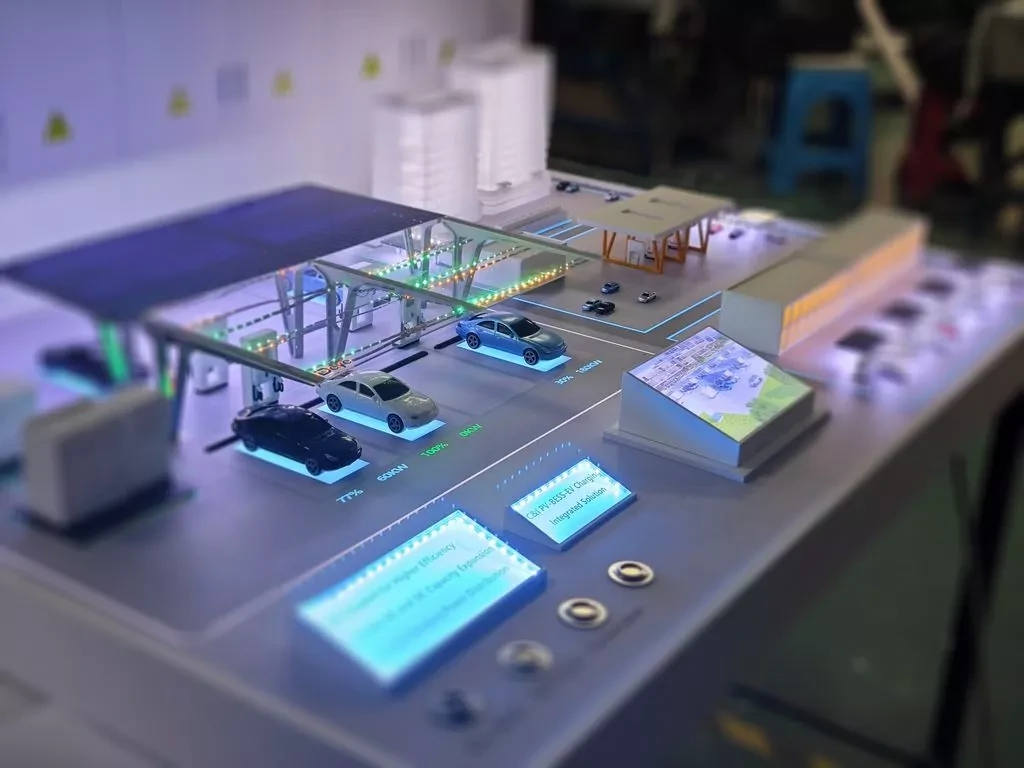
Industrial Scale Model Making | Technology & Art Integration
Industrial scale model making is a high-precision process that proportionally reproduces complex industrial equipment, production lines, or factory systems. This field represents a precision integration of technology and art, creating three-dimensional representations that are far more than just visual aids; they are crucial bridges connecting technical drawings with practical applications. These industrial models are widely utilized across various sectors, including energy, chemical, machinery, power, and rail transit, serving essential purposes in project reporting, technical reviews, employee training, exhibitions, and corporate promotion.
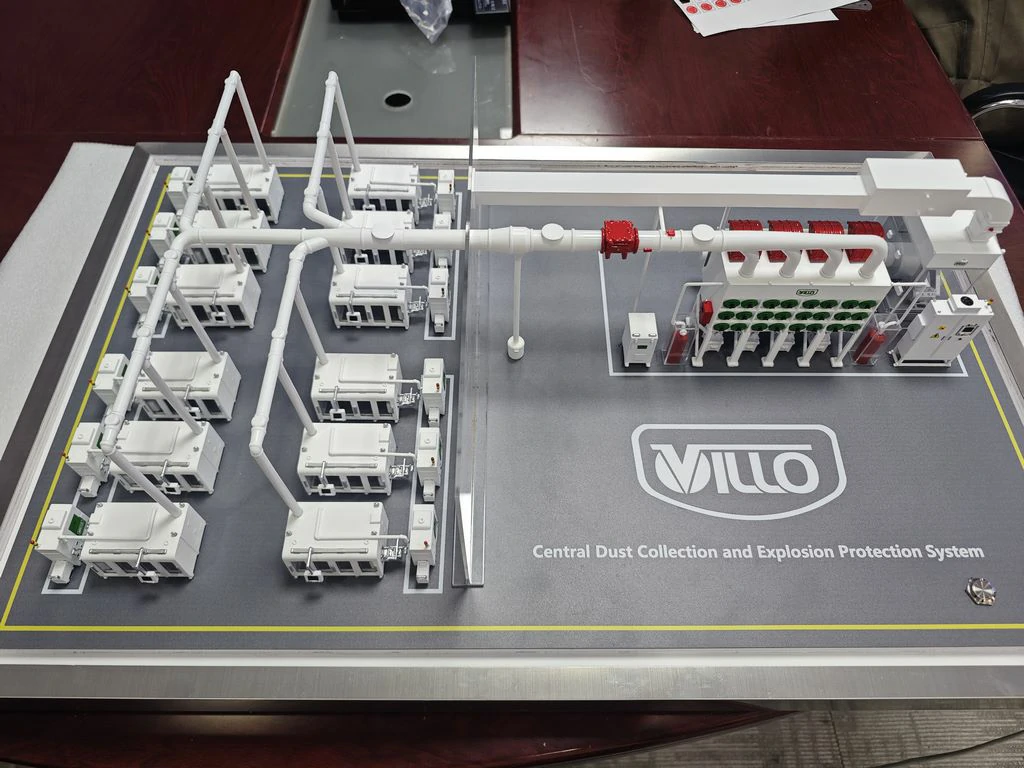
Unlike ordinary models, industrial scale models prioritize functional restoration and structural accuracy. Whether the task involves creating a large-scale refining unit, a wind turbine generator, an automated assembly line, or an intelligent warehousing system, the model must meticulously capture key details such as equipment layout, pipeline routing, transmission mechanisms, and control units. Common materials used in scale model production include ABS engineering plastics, metal alloys, and acrylic resins. These materials are often combined with advanced processes like 3D printing model creation, CNC engraving, laser cutting, manual assembly, and real paint spraying to ensure the resulting model is both sturdy, durable, and highly realistic.
Practical Applications and Value
The value of industrial models extends significantly beyond aesthetics. Firstly, they transform abstract 2D drawings into tangible, intuitive 3D entities, enabling non-technical stakeholders to quickly grasp complex process flows and dramatically improving communication efficiency. Secondly, during project planning, these scale models can proactively identify potential issues such as design conflicts, insufficient space, or operational blind spots, thereby reducing the risk of costly rework during actual construction.
Additionally, industrial models serve as powerful tools for training and education. For new employees, they can act as safe, low-cost teaching aids, simulating equipment startup/shutdown, troubleshooting scenarios, and other operations to enhance practical skills and safety awareness.
Customization and Technical Requirements
Customizing a high-quality industrial scale model requires detailed input from the client. This typically includes equipment assembly drawings, orthographic views (three views), process flow diagrams (PFDs), piping and instrumentation diagrams (P&IDs), real-life photos, and brand identification specifications. It is also crucial to define parameters such as the desired scale model ratio (commonly 1:20 to 1:10 scale model), whether dynamic functions (e.g., rotating parts, LED indicator lights) or lighting integration are required, the intended display environment (indoor/outdoor), and the required delivery timeline.
Professional modeling companies often leverage their expertise to suggest innovative approaches, such as cross-sectional designs to showcase internal structures or the addition of interactive modules, based on the specific usage scenario and requirements for the sand table model or other specialized displays.
Technological Evolution: Towards Intelligent Sand Table Models
With the advancement of intelligent manufacturing and digital twin technology, traditional static scale model displays are evolving into intelligent sand table models. Some high-end industrial models now incorporate sensors, touch screens, and even BIM system integration, blurring the lines between the physical model and the digital world for a more immersive experience. However, regardless of technological advancements, the core value remains unchanged: to make complex industrial logic visible and understandable.
The Enduring Value of Industrial Models
In conclusion, industrial scale model making is far more than just a craft; it is a microcosm of precision manufacturing and a crystallization of engineering wisdom. These intricate industrial models serve as tangible extensions of design and engineering, embodying the ingenuity and might behind large-scale industrial systems. They function as indispensable “three-dimensional manuals,” playing a vital role in the communication, planning, training, and execution of modern industrial civilization.