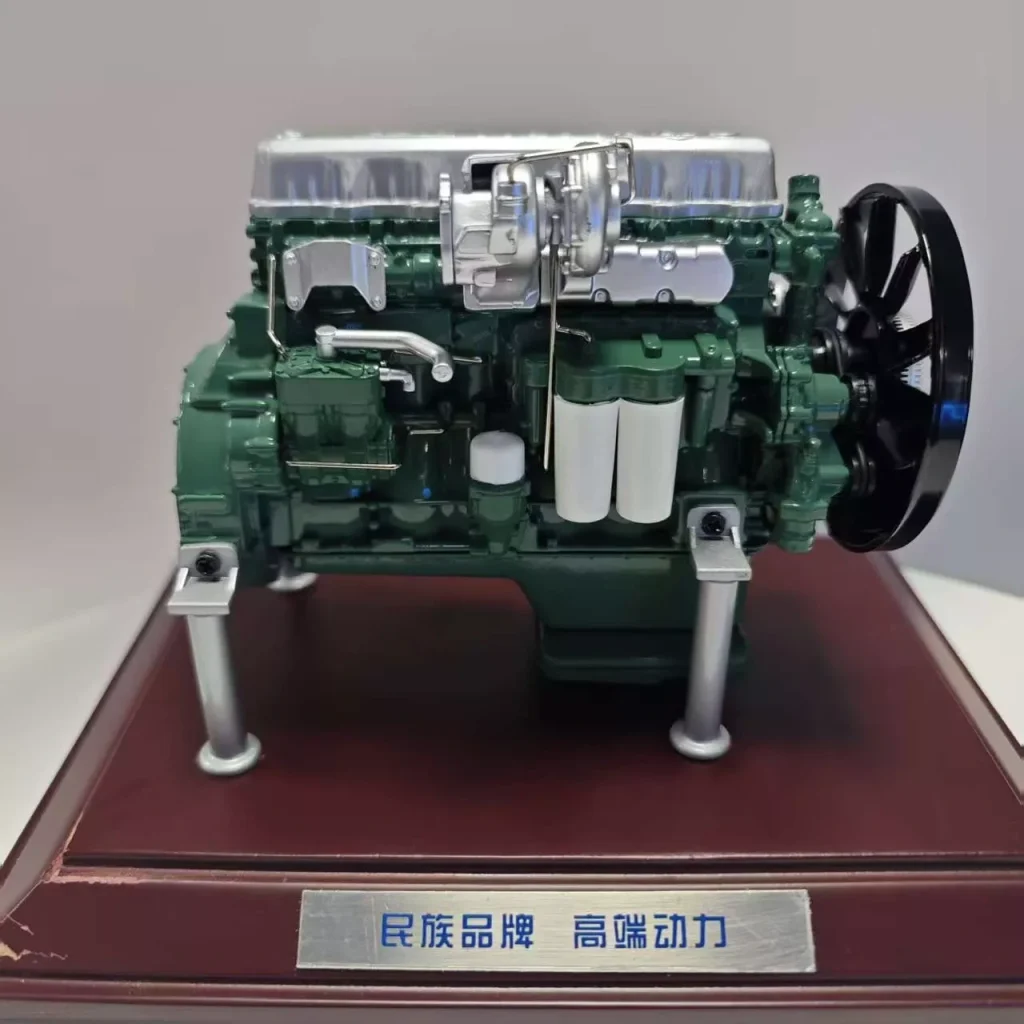
Equipment Process Flow Model for Exhibition Display
Case Study: Intelligent Manufacturing Workshop Model
- Project Background
This project involves the creation of an equipment process flow model for an intelligent manufacturing workshop. The model is designed to showcase the collaboration and workflow among various equipment in the workshop. It requires a high level of accuracy in reflecting the actual layout and form of the workshop, providing customers with an intuitive and immersive visual experience.

-
Manufacturing Process and Materials
-
Base and Layout Design
A high-density wood board serves as the model base to ensure stability. Based on the actual workshop layout drawings, the positions and relative dimensions of each piece of equipment are accurately marked on the base. -
Equipment Body Production
The equipment bodies are crafted from ABS plastic sheets, with precise cutting of device contours using laser cutting technology. Eco-friendly glue is used for assembly to ensure a sturdy structure and a clean appearance.
For details such as buttons and displays, 3D printing technology is employed to enhance realism. -
Conveyor Belts and Tracks
Conveyor belts are simulated using flexible plastic tape, powered by a micro motor to achieve dynamic display effects. The tracks are constructed from metal wire or plastic strips to ensure precise alignment and curvature. -
Character and Scene Decoration
Personnel models are made from prefabricated small figures and painted to match the actual attire of workshop staff. Scene decorations, including shelves, toolboxes, and fire-fighting equipment, are crafted from micro parts or custom materials to enrich the model’s content. -
Post-Processing and Finishing
-
Polishing and Trimming
All joints are polished to ensure a smooth and flawless surface. Each component is inspected for firmness, with necessary reinforcement or repairs carried out. -
Coloring and Painting
Environmentally friendly water-based paint is used for coloring, ensuring uniform color and alignment with the actual equipment’s color scheme. Special effects, such as metallic luster and reflections, are achieved through targeted painting techniques. -
Detail Addition and Scene Decoration
Identifiers and labels are added to the model to enhance realism. Scene decorations are incorporated to make the model visually engaging and lifelike. -
Finished Product Display and Evaluation
After completing the manufacturing and post-processing, the final scale model of the intelligent manufacturing workshop closely replicates the layout and equipment form of the actual workshop. A comparison with real workshop photos reveals that the model achieves approximately 90% restoration accuracy. The shape, color, and layout of the equipment are highly consistent with the customer’s requirements, creating an immersive experience that feels like being on-site.
Keywords:
– Scale model
– Sand table model
– 3D printing model
– Industrial model