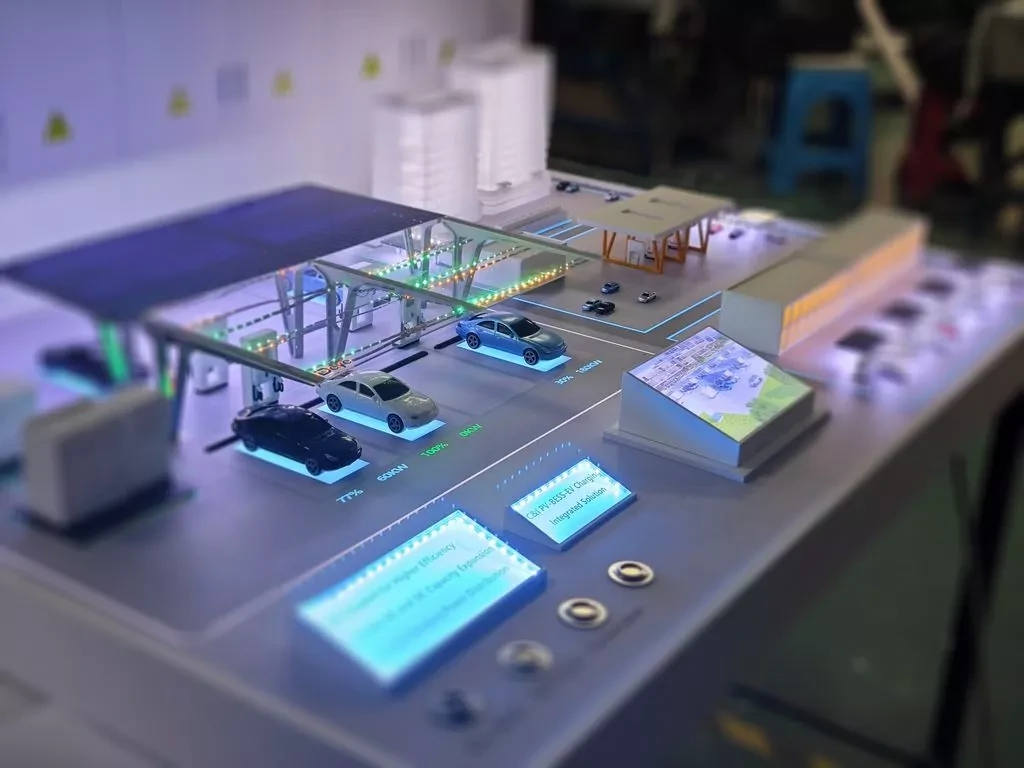
Dynamic Industrial Equipment Models | Outstanding Presentation Models
Customize dynamic simulation industrial models, including scale models and 3D printing models, to elevate your presentation from static displays to engaging, dynamic demonstrations. Utilizing advanced techniques like sand table model simulations offers a powerful way to visualize complex processes and showcase your technological edge.
In today’s highly competitive business landscape, differentiation is key to capturing attention and securing growth. Innovative presentation methods are increasingly vital for attracting and retaining customers. The dynamic simulation and customization of industrial equipment models represent a cutting-edge solution. By offering tailored dynamic simulations, including sophisticated scale models and 3D printed replicas, companies can effectively highlight their technological prowess and the unique advantages of their products, setting them apart in the marketplace.
Customizing dynamic simulation industrial models provides tangible benefits. In an era of rapid technological advancement, understanding complex industrial equipment is crucial. However, conveying intricate working principles and performance characteristics to stakeholders, including potential customers and investors, can be challenging. Dynamic simulation models, whether intricate scale models or interactive 3D printed models, bridge this gap. They offer intuitive, visual representations, allowing audiences to grasp complex technical details more easily. This significantly enhances understanding, strengthens the corporate image, and builds confidence in the presented solutions.
The flexibility of dynamic simulation model customization ensures it meets diverse needs. Every enterprise operates within unique parameters and targets distinct markets. Customizing dynamic simulations, encompassing specialized scale models and tailored 3D printing models, allows companies to align presentations precisely with customer requirements and market focus. These dynamic models can effectively demonstrate critical attributes – the progressiveness, reliability, or user-friendliness of equipment – delivering a personalized and impactful experience that helps forge a unique brand identity.
Implementing dynamic simulation for industrial models also contributes directly to operational efficiency and cost reduction. These models serve as powerful tools for evaluating product performance and anticipating potential issues before physical deployment. This proactive approach minimizes risks and avoids costly mistakes during actual implementation. Furthermore, insights gained from dynamic simulations can drive optimization in product design and production processes, leading to improved efficiency and higher quality outcomes. The reduction in trial-and-error cycles translates directly into lower production costs, making dynamic simulation a financially savvy investment for businesses seeking efficiency.
Adopting dynamic simulation for industrial models is not without its challenges. Successful implementation requires strategic investment in resources, including skilled personnel, specialized simulation software, and extensive data analysis capabilities. This necessitates robust financial backing and strong technological infrastructure within the company. Therefore, enterprises must conduct thorough evaluations and meticulous planning before committing to dynamic simulation model development, ensuring alignment with strategic goals and resource availability.
In conclusion, dynamic simulation of industrial models, incorporating advanced techniques like scale model and 3D printing model customization, presents a highly innovative and practical approach. It effectively enhances the demonstration of technological capabilities, precisely addresses customer needs, boosts production efficiency, and reduces costs. While implementation demands careful planning and resource allocation, the strategic advantages offered by dynamic simulation models make it a compelling solution. As technology continues to evolve, dynamic simulation is poised to become an increasingly popular choice for forward-thinking enterprises seeking to maximize impact and efficiency.