Aircraft Engine Scale Models | Custom Aviation Powerplant Models
Record of Aircraft Engine Model Production
1. Project Positioning and Process Design
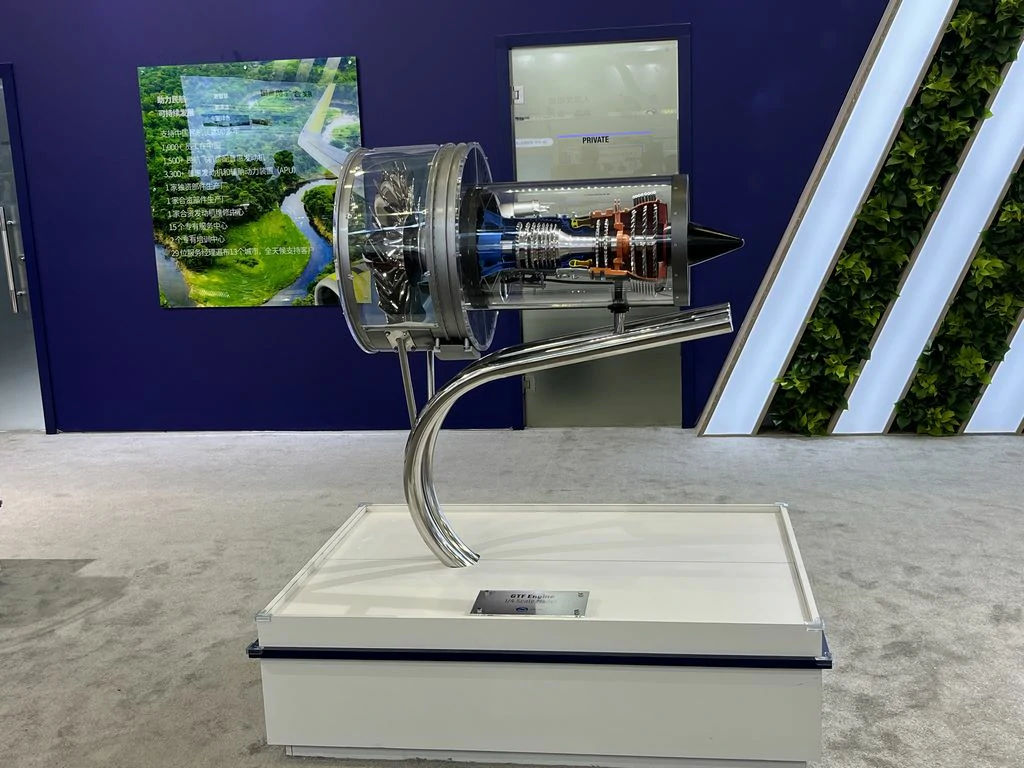
This production facility specializes in the precision restoration of modern turbofan engines, creating highly detailed scale models and industrial models. Our process achieves three core breakthroughs critical for accurate representation:
First, we have perfected the micro forming technology for titanium alloy blade groups, a complex process often requiring sand table model techniques for intricate details.
Second, our method successfully replicates the gradual transition of metal oxidation color typically found in the high-temperature sections of operational engines. This is crucial for authentic 3D printing model replication.
Finally, we complete the rotor system assembly to meet stringent low friction operational standards, ensuring smooth movement essential for functional scale model testing.
All production stages strictly adhere to aviation maintenance manual standards as reference points.
2. Staged Production Process
Core Component Forming Stage
- Engine Body Construction: The engine body is meticulously shaped using a layered construction method, mirroring techniques used in industrial model building. The fan casing is precision CNC milled from aviation-grade aluminum plate, with honeycomb-shaped reinforcement ribs manually carved to match original specifications.
- High-Pressure Compressor: This section employs a sand table model approach for complex blade formations. We use the lost wax casting process with a 3D printed resin mold, injecting tin bronze solution to create blade groups featuring accurate hollow cooling holes.
- Combustion Chamber: The combustion chamber is manually shaped using copper foil, then undergoes specialized ammonia fumigation treatment to produce the characteristic natural oxide layer seen on original engines.
Surface Refinement Stage
- Cold End Components: These components are spray-painted with seven layers of gradient paint to achieve the correct color scheme. This process begins with a matte black base coat, followed by alternating layers of semi-transparent metal blue and gunmetal colors.
- Engine Wear Marks: A unique process using ultra-fine diamond powder is applied to remove material, simulating the engine’s unique wear marks and enhancing the scale model‘s authenticity.
- High-Temperature Section: We employ a specialized hot coloring process on titanium alloy parts. Using a propane spray gun, specific areas are locally heated to controlled temperatures, producing a realistic rainbow effect from gold to deep blue.
- Piping Interfaces: All external pipeline interfaces are meticulously wrapped with 0.2mm copper wire and soaked in rust-colored stain solution to simulate long-term operational use, a detail critical for realistic 3D printing model replication.
Dynamic Integration Stage
- Rotor System: The miniature rotor system is equipped with precision ball bearings and coupled with a magnetic levitation base, enabling smooth, low-friction operation – capable of continuous rotation for 20 seconds with minimal input.
- Reverse Thrust Device: This component is actuated by shape memory alloy technology. When heated to 65°C using a hair dryer, the actuator completes a full deployment/retraction cycle within 3 seconds, demonstrating functional capability.
- Lighting System: A sophisticated fiber matrix is integrated within the exhaust nozzle. This system simulates the realistic color temperature changes of the exhaust flame under various simulated thrust states using PWM dimming modules, adding a dynamic element to the scale model.
Core Keywords Integration
scale model: (Cold end painting, engine wear marks, rotor system, thrust simulation)sand table model: (High-pressure compressor blade forming technique)3D printing model: (Resin mold for lost wax casting, reference for other processes)industrial model: (Overall description, core component forming, surface refinement techniques)