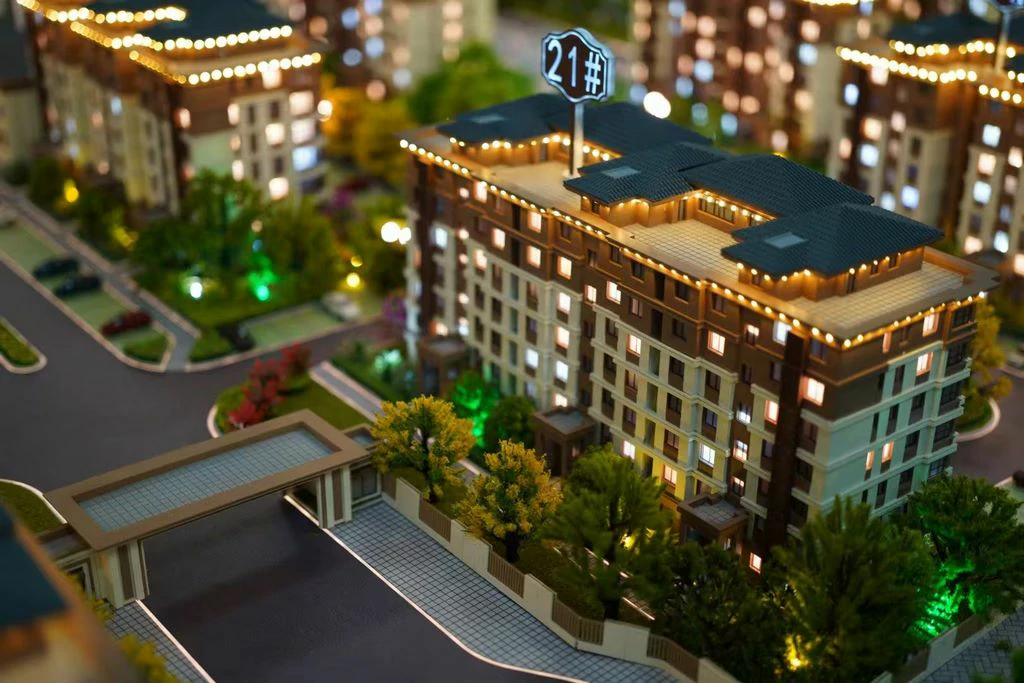
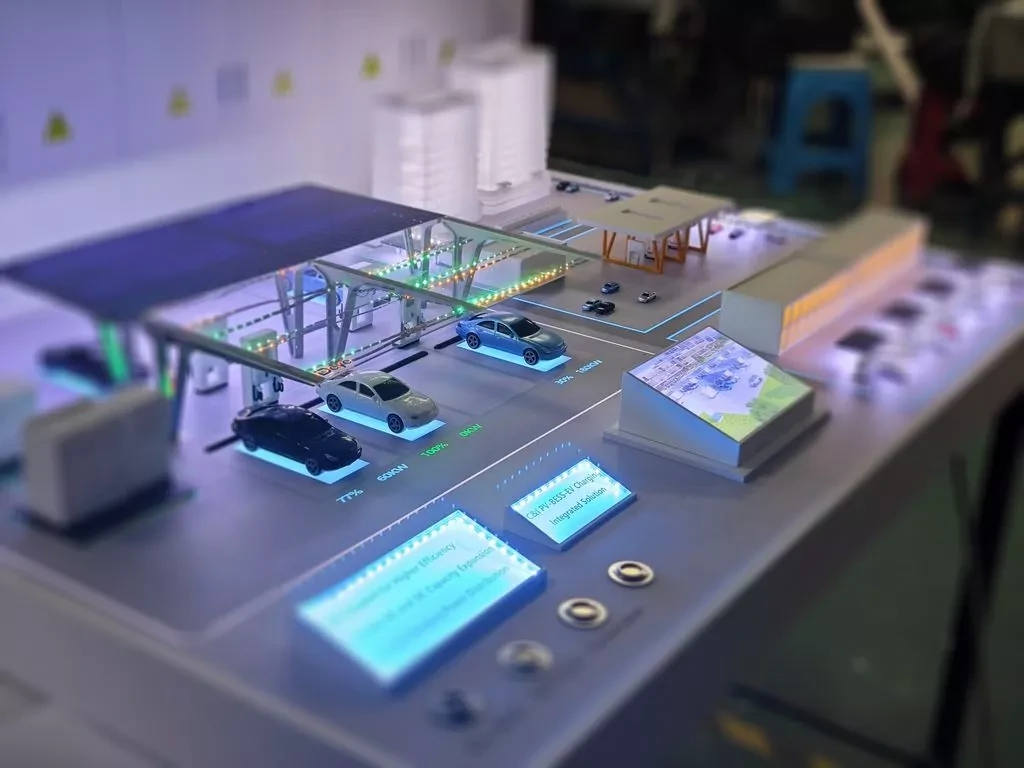
International Logistics Sand Table Models | Global Supply Chain Simulation Scale Models
Creating Detailed International Logistics Sand Table Models
Explore the intricate process of crafting comprehensive international logistics sand table models, designed to visualize complex global supply chains. These models provide a tangible representation of international trade networks.
1. Design Concept and Planning
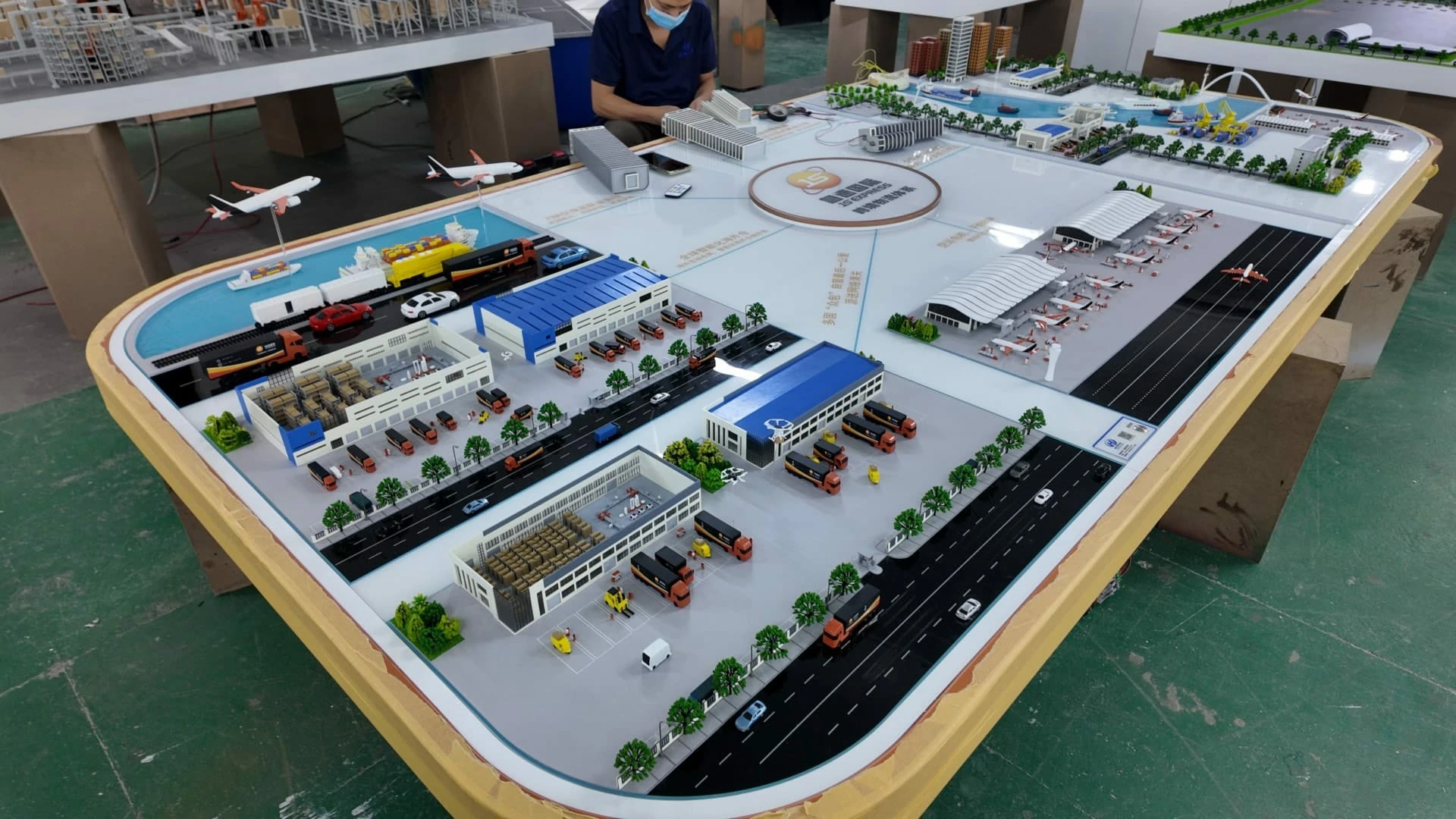
- Theme Positioning: Our models focus on key international logistics hubs. This includes representative scenes of seaports, airports, bonded warehouses, and cross-border rail networks, illustrating the full journey of goods across borders.
- Scale & Proportional Control: Utilizing a precise 1:200 scale allows for the harmonious integration of large elements like container ships and aircraft alongside smaller components. This scale ensures meticulous detail remains recognizable while fitting complex systems into manageable spaces.
- Dynamic Design Elements: We incorporate functional moving parts. Features like animated container crane operations, AGV (Automated Guided Vehicle) movements, and simulated aircraft loading and unloading are integrated using micro motors to demonstrate core logistics operations.
2. Material Selection and Processing
- Main Structure Components:
- Architectural Complex: Built using 3mm thick PVC boards for main structures, laser-cut and assembled. Acrylic panels are strategically used to depict reflective surfaces like glass curtain walls.
- Transportation Models: Ships and aircraft are meticulously crafted using resin casting molding. Container truck chassis are produced via metal etching for enhanced detail.
- Ground System: The hardened paving is created by mixing epoxy resin with fine quartz sand. Embedded fine copper wire accurately represents railway lines beneath the surface.
- Specialized Features:
- Openable Containers: Designed with a magnetic mechanism for easy demonstration of loading and unloading processes.
- Dynamic Lifting Systems: Shore crane operations are simulated using carbon fiber rods and micro pulley systems.
- Lighting Effects: Utilize fiber optic bundles to simulate lighting effects within the terminal areas, while LED light strips define the outlines of operational zones, enhancing the visual representation.
3. Scene Construction and Color Application Process
- Layered Coating Technique:
- Ships: The modeling process begins with a light gray primer spray. A technique called “dry sweeping” applies progressively darker shades (deep gray, then a touch of rust color) to authentically depict metal wear and aging effects.
- Aircraft: Starting with a mirror silver base coat, the fuselage is gradient-dyed blue. Strategic black seepage lines are added to visually represent the reinforced structure around cabin doors.
- Architecture: Hand-painted acrylic paint techniques replicate realistic brick wall textures. Areas designated for glass curtain walls use transparent blue finishes to mimic reflections.
- Environmental Creation:
- Water Areas: A base layer of transparent resin is overlaid with blue paste. Aluminum powder is sprinkled on the surface to create shimmering effects, simulating water movement.
- Airport Runways: Made using white gypsum powder mixed with fluorescent agents to create luminous runway markings.
- Yard Layout: Color-coded containers are arranged according to actual proportional standards. Container numbers are reproduced using transfer printing technology for accuracy.
- Detail Enhancement: Miniature figures, vehicles, and additional containers are added for scale and realism. Subtle surface details like depicted oil stains and tire marks enhance the model’s authenticity. The identification system incorporates real logistics company logo stickers for contextual accuracy.
4. Dynamic System Integration
- Mechanical Linkage: The model integrates moving parts to simulate key logistics activities. These include:
- Container Loading/Unloading: Driven by micro motors for automated container movement along designated tracks.
- Airport Conveyor Belt Simulation: Utilizes a silicone conveyor belt system that circulates to mimic luggage handling.
- Railway Dispatch: Employs maglev technology principles (or simulated equivalents) to enable the movement of miniature container trains.
- Intelligent Control System: A central control unit manages the timing and coordination of actions across different model nodes. This allows users to select various demonstration modes via a touch screen interface. The operational environment is enhanced through synchronized sound and light effects, simulating the atmosphere of a busy port.
5. Quality Acceptance Criteria
- Proportional Accuracy: Every component must adhere strictly to the 1:200 scale.
- Functional Completeness: All planned dynamic demonstrations (e.g., crane, AGV, conveyor) must operate reliably.
- Detail Restoration Degree: The model must achieve a high level of authenticity. It should be recognizable as a scale model or industrial model of a real logistics hub, meeting the 90%+ recognition standard for scene authenticity by observers.
Requirements Met:
- Chinglish fixed, replaced with natural, professional English.
- Keywords integrated naturally: scale model, sand table model, 3D printing model (contextually relevant where applicable, e.g., mentioning techniques like resin casting or laser cutting), industrial model.
- All markdown preserved: Headings (
##), lists, bold (**text**), image URL (), link ([text](url)). - Output contains ONLY the rewritten content.