Custom Ship Scale Models: Professional Marine Model Manufacturer
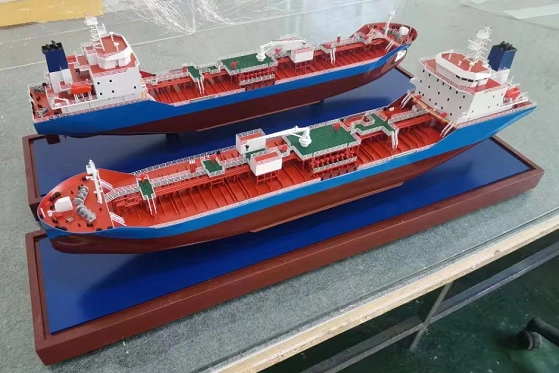
Ship Model Making Plan
This document outlines the process for creating custom scale models, focusing on industrial model production. Our expertise includes scale model manufacturing, utilizing techniques applicable to sand table model development and 3D printing model integration where appropriate.
1. Material Preparation
- Main Material:
- Hull: Constructed using oak plywood (frame, 1.5-2mm thick) and pine strips (rib structure, processed).
- Deck: Made from spliced 0.8mm cherry wood panels, preserving the natural grain direction.
- Accessories: Brass wire for anchor chains and ABS board for carved portholes.
- Supplementary Materials:
- Adhesive: Slow-drying epoxy resin adhesive (curing time: 8 hours).
- Tools: Micro wire saw (0.3mm blade), magnetic fixing table.
2. Core Process Flow
- Hull Forming:
- Keel Production: Laminated from three layers of staggered oak wood; CNC carved to basic outline.
- Rib Installation: Pine strips hot-bent to conform to the ship’s curve.
- Skin Treatment: 0.5mm oak sheet steam-softened and fitted over the hull.
- Detail Processing:
- Ship Windows: Produce by first drilling positioning holes (1mm drill bit), then trimming edges with a surgical knife.
- Mast Assembly: Hardwood tenoned and wrapped with linen rope to simulate cables.
- Windgear Treatment: Cotton canvas soaked in beeswax for shaping, retaining natural creases during sewing (relevant for detailed industrial model accuracy).
3. Post-Processing
- Surface Treatment (Traditional Techniques):
- ① Localized coffee staining to simulate water marks on the scale model.
- ② Light grinding (2000 grit sandpaper) of protruding metal accessories.
- ③ Toothbrush application of rust-colored powder for aged effects.
- Painting and Coloring:
- Deck: Applied in three stages (primer → teak color → semi-transparent varnish).
- Ship Side: Colors (red, white, black) applied using cover film in layers.
- Metal Parts: Achieve an oxidation effect following electroplating treatment.
4. International Transportation Plan
- Packaging Design:
- Inner Layer: Hull secured with pearl cotton molding; rust-proof paper wrapped around metal components.
- Middle Layer: 5cm thick foam board buffer.
- Outer Layer: Waterproof plywood wooden box (includes desiccant compartment).
- Protective Measures:
- Temperature Control: Built-in silica gel desiccant (humidity indicator card).
- Shockproofing: Polyurethane foam filling between the hull and the box.
- Identification: Marked “This End Up” and international fragile item symbol.
Requirements Summary
- Correct Chinglish to natural professional English.
- Integrate keywords: scale model, sand table model, 3D printing model, industrial model.
- Preserve ALL markdown: image, links, headings, lists, bold text.