Industrial Scale Model Aesthetics: Middle East vs Western Markets
Under the wave of globalization, the field of industrial model design is undergoing unprecedented changes. From traditional European style to modern Middle Eastern aesthetics, scale models from different markets showcase their unique charm and characteristics. This article delves into the differences in industrial model aesthetics between the Middle East and European/American markets, exploring the reasons and impacts behind these distinctions.
1. Aesthetic Characteristics of the Middle East Market
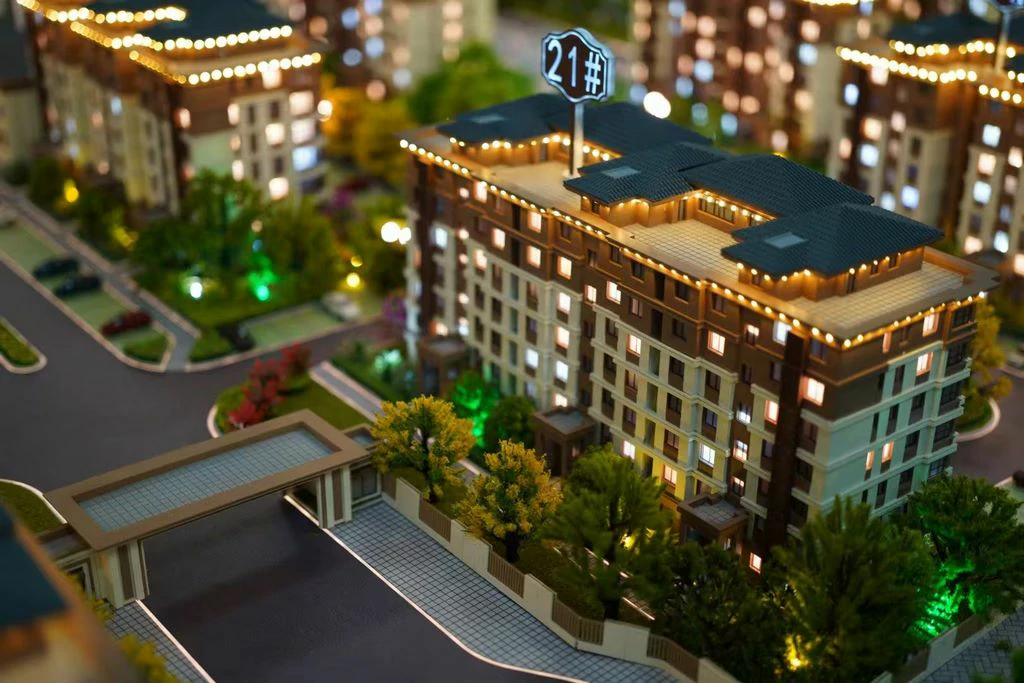
Industrial design in the Middle East is deeply influenced by its rich historical heritage and unique cultural traditions. These elements are clearly reflected in scale model design, including sand table model presentations. For instance, Middle Eastern architectural styles often incorporate strong ethnic and religious characteristics, which also influence industrial model aesthetics. Furthermore, the region emphasizes practicality and functionality, leading designers to focus on the scale model‘s practicality and durability.
2. Aesthetic Characteristics of the European and American Markets
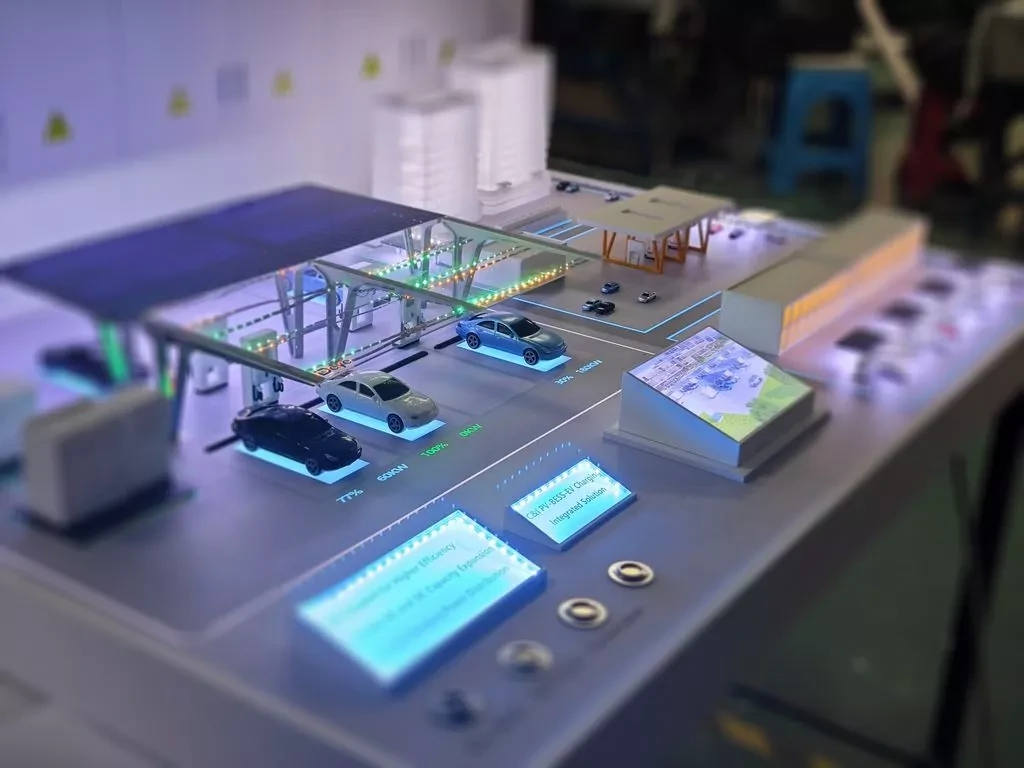
In contrast, European and American markets place greater emphasis on innovation and fashion in industrial model design. Western designers pursue novel and unique design concepts, striving to showcase creativity and personality through scale models. Additionally, these markets prioritize environmental protection and sustainable development, often reflected in the choice of materials for scale models and 3D printing model applications.
3. Analysis of Aesthetic Differences in Different Markets
Cultural Background Differences
The historical and cultural background of the Middle East profoundly impacts industrial model design. These factors are fully reflected in scale model presentations. For example, Middle Eastern architecture often features strong ethnic and religious characteristics, influencing the design of sand table model representations. Moreover, the region’s emphasis on practicality and functionality is evident in the focus on scale model durability and practicality.
Market Demand Differences
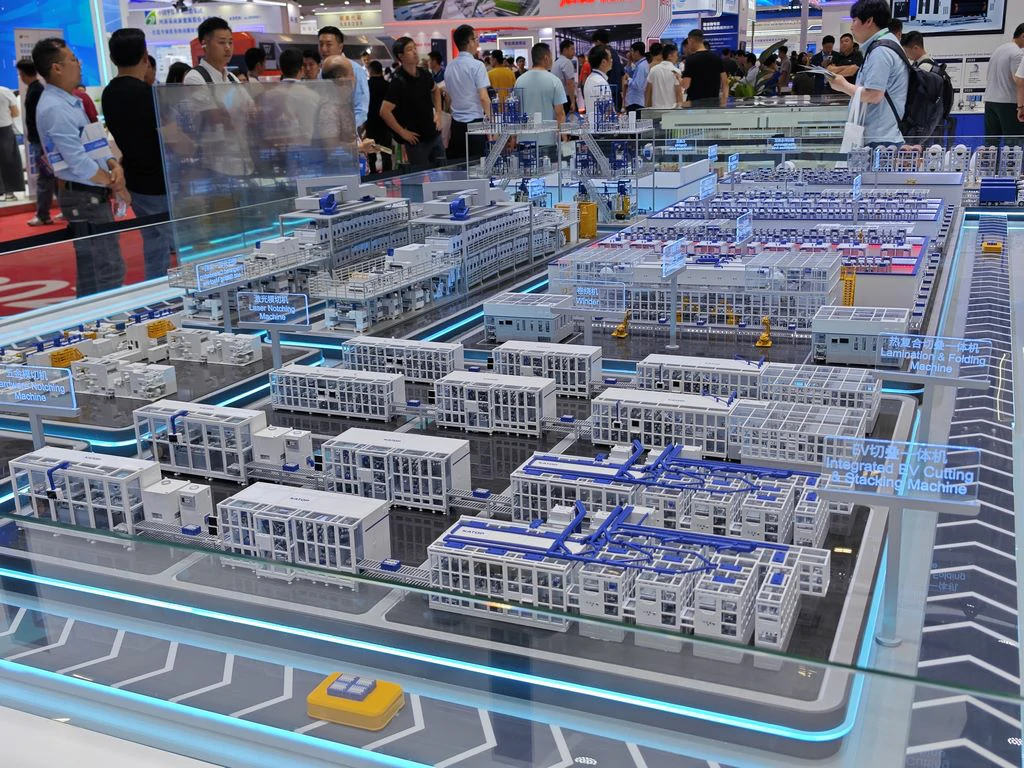
Different markets have varying demands for industrial model design. Due to its unique geographical location and historical background, the Middle East primarily requires scale models and sand table model designs for industries like energy, petroleum, and chemical engineering. In contrast, European and American markets have more extensive demands, covering machinery, electronics, and automotive sectors, among others. This difference in market demand significantly impacts the characteristics of industrial model design.
Technological Development Differences
Different markets also exhibit variations in technological development levels. The Middle East generally lags behind in technological innovation, making scale model design more reliant on traditional techniques. Conversely, Europe and America have achieved significant success in technological innovation, driving the development of advanced 3D printing model applications and other modern industrial model design techniques.
4. Conclusion
There are significant differences in industrial model aesthetics between the Middle East and Western markets. These differences stem from factors such as cultural backgrounds, market demands, and technological development levels. Understanding these distinctions is crucial for designers seeking to grasp market demands and enhance the quality and competitiveness of scale model and sand table model design. This understanding also provides designers with more inspiration and creativity, driving continuous progress and development in the field of industrial model design.