optimized for SEO, incorporating the keywords naturally and fixing any non-natural phrasing (Chinglish):
Industrial Scale Models for Exhibitions: Driving Booth to Order Conversion
In today’s highly competitive industrial market, effective product display and strategic marketing are critical for business success. A well-designed exhibition booth captures attention, but true conversion hinges on demonstrating how your product or service directly addresses customer needs. Industrial models serve as indispensable tools for showcasing product functionality, performance, and design, playing a pivotal role in accelerating the customer conversion process. This article explores how utilizing various industrial models can effectively attract prospects at exhibitions and drive tangible order acquisition.
The Importance of Industrial Models
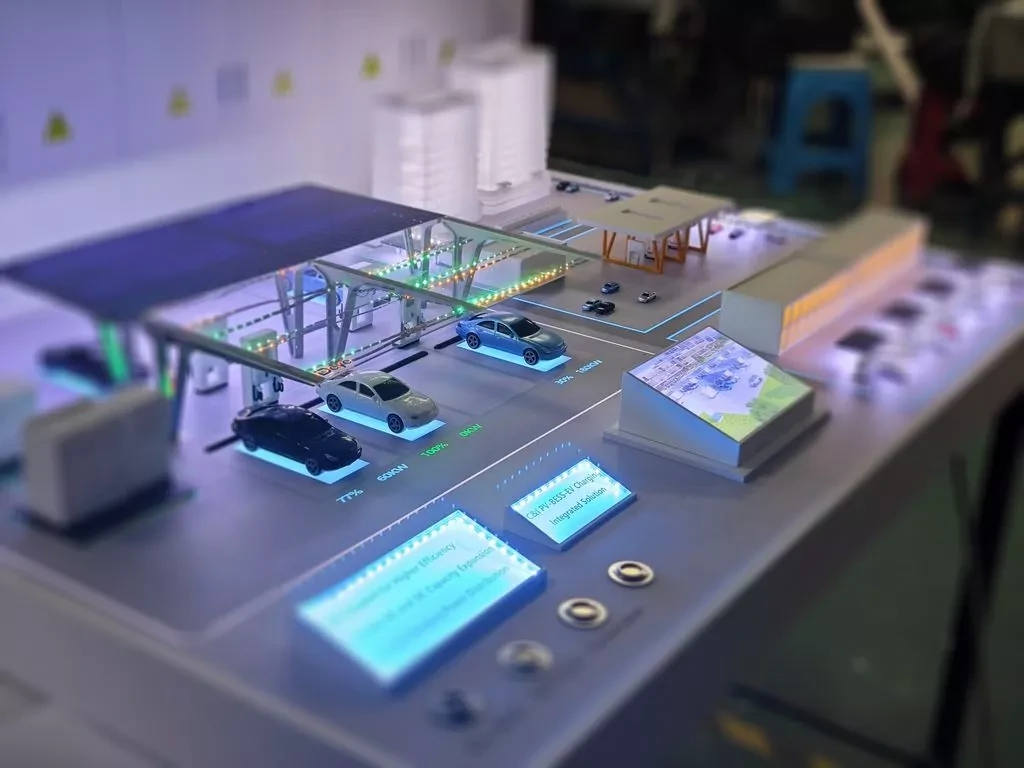
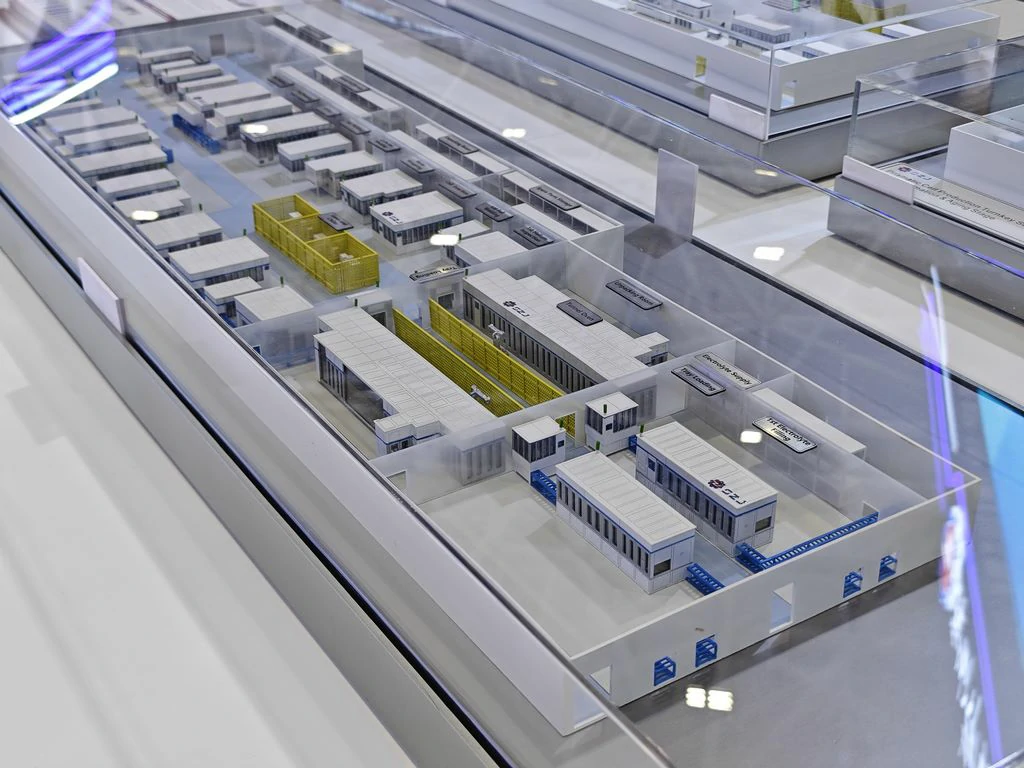
Industrial models are fundamental throughout the product design and development lifecycle. They provide designers, engineers, and stakeholders with tangible, intuitive insights into a product’s functionality, performance characteristics, and aesthetic details. Employing high-quality materials and advanced techniques ensures models accurately represent the final product’s appearance and feel, significantly boosting customer confidence. Furthermore, models excel at demonstrating complex working principles, allowing visitors to grasp product performance and competitive advantages more deeply.
Core Elements of Effective Booth Design
To maximize the impact of your industrial models, booth design must be strategically planned. Firstly, the booth layout should prominently feature the models, highlighting their unique aspects. This might involve using high-definition projection technology to zoom in on intricate details or employing interactive screens to simulate real-world product usage. Secondly, the booth must provide comprehensive information. Clear displays should offer detailed product specifications, technical parameters, and user testimonials to facilitate understanding. Finally, the overall booth aesthetic must align with your brand identity and support the overarching theme and objectives of the exhibition.
Strategies for Driving Customer Conversion with Industrial Models
Industrial models are powerful tools for guiding prospects through the customer journey at exhibitions:
- Capturing Attention: Engaging booth design combined with visually striking models immediately draws prospects in. Ensure models have high-resolution details to clearly showcase product features.
- Providing Value: Equip visitors with valuable information about the product’s capabilities and benefits. Detailed specifications, technical data, and user feedback help them understand the product’s value proposition.
- Stimulating Interest: Use interactive elements and dynamic presentations alongside models to pique curiosity. Virtual reality simulations or live demonstrations can vividly illustrate product operation.
- Facilitating Decision-Making: Offer clear purchasing pathways. Provide options (e.g., different scale model types like scale models or sand table models) or special offers (like 3D printing model showcases or limited-time incentives) to encourage commitment.
- Establishing Contact: Seal the deal by making it easy to follow up. Include prominent contact information and details about post-event follow-up services, perhaps managed by a dedicated sales team stationed at the booth.
Conclusion
Industrial models are a cornerstone of effective exhibition marketing. By integrating high-quality scale models, sand table models, and perhaps showcasing 3D printing model capabilities within a thoughtfully designed booth, businesses can significantly enhance their ability to attract, engage, and convert prospects. These physical representations bridge the gap between abstract concepts and tangible value, guiding visitors towards informed decisions and ultimately facilitating the crucial transition from booth interest to actual orders. Investing in the development and deployment of compelling industrial models is therefore essential for boosting competitiveness and capturing market share.