Static Scale Model Materials: Metal, Resin, Acrylic Custom Models
Choosing the right materials for your scale model or sand table model is essential for achieving the desired quality and visual impact. This guide explores three popular material options provided by model manufacturers: metal, resin, and acrylic, detailing their unique characteristics and ideal applications, especially for 3D printing model production and industrial model creation.
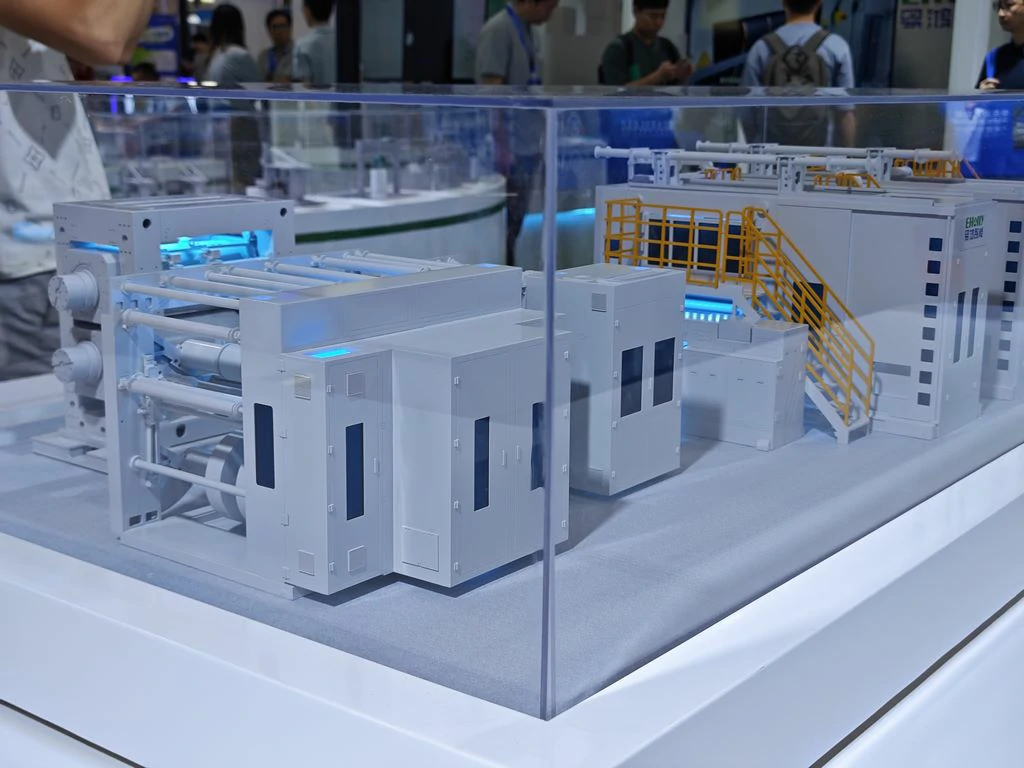
Metal Materials: Sturdiness and Detail for Industrial Models
Metal is prized for its exceptional sturdiness and durability, making it ideal for scale model applications demanding robustness. Metal scale models are frequently employed in industrial model showcases, effectively highlighting intricate details in fields like mechanical engineering, automotive design, and aerospace. For instance, automotive companies might utilize metal scale models to simulate engine components or vehicle assemblies. These models offer high fidelity and often allow for further customization, enabling specific design adjustments.
Resin Materials: Flexibility and Clarity for Various Models
Resin is a versatile and commonly used material for scale model creation. Its excellent plasticity and potential for transparency make it suitable for a wide range of applications. Resin scale models are often seen in architectural visualization, sand table model components, and educational settings. They can be precisely cut and assembled to form complex 3D printing model structures ideal for teaching demonstrations or exhibition pieces. The inherent flexibility of resin allows for relatively easy modification and potential upgrades of the scale model.
Acrylic Materials: Transparency and Visual Appeal
Acrylic is recognized for its semi-transparency and good impact resistance, similar to glass but lighter. This material is commonly found in outdoor displays and showcase cabinets. Acrylic scale models are widely used for commercial displays and brand promotion due to their ability to create striking visual effects. The transparency of acrylic allows for captivating light transmission and shadow play, enhancing the appeal of the presented item significantly.
Selecting the Right Model Material: Key Considerations
Choosing the appropriate material for your scale model or sand table model requires careful thought. Consider the following factors:
- Purpose and Requirements: Define the specific use case and performance expectations for your scale model or sand table model.
- Budget: Different materials carry significantly different price points. Plan your budget accordingly.
- Accuracy and Detail: Select a material that can meet the required level of precision and detail for your 3D printing model or industrial model.
- Environmental Factors: Consider the environment where the model will be placed (temperature, display conditions) and choose a suitable material.
- Post-Maintenance: Evaluate the material’s durability and ease of cleaning and upkeep for long-term display.
Customization and Production Options
Most model manufacturers offer customization services to tailor the model to specific needs. This can range from selecting the appropriate material type to choosing colors, adding textures, or incorporating specific features. Furthermore, advancements in technology, such as specialized 3D printing model techniques, allow manufacturers to offer direct conversion from digital files to physical scale model, enhancing production efficiency and potentially reducing costs.
Selecting the appropriate material is fundamental to the success of any static scale model or sand table model. By understanding the characteristics and applications of metal, resin, and acrylic, you can make an informed decision based on your specific requirements, ensuring the final scale model or sand table model effectively communicates its intended message with high quality.