Custom Factory for Energy Storage Cabinet Model Production: A Case Study
1. Preliminary Preparation: Materials and Design
Our process begins with meticulous preparation, selecting a precise 1:20 scale for the final cabinet model. Core materials include 1.2mm cold-rolled steel plate (laser-cut for dimensional consistency) and 3D printing model consumables (fabricating intricate components like battery racks and temperature-controlled air ducts). Alongside these, we prepare essential miniaturized equipment: micro compressors, transparent acrylic tubes (representing simulated fire extinguishing paths), and LED light strips (emulating SOC displays). High-quality automotive-grade paint and silk screen identification materials ensure faithful reproduction of both appearance and functional details.

2. Structure Production: Modular Restoration of Core Components
Shell Forming:
Following laser cutting, the steel plates undergo CNC bending to form essential three-dimensional structures like reinforcing ribs and door frames (e.g., U-shaped side panel ribs enhance deformation resistance). The welding process employs either carbon dioxide gas shielded welding or pulse MIG welding (for stainless steel), guaranteeing an IP55 protection level to withstand rain and dust.
Internal Module Construction:
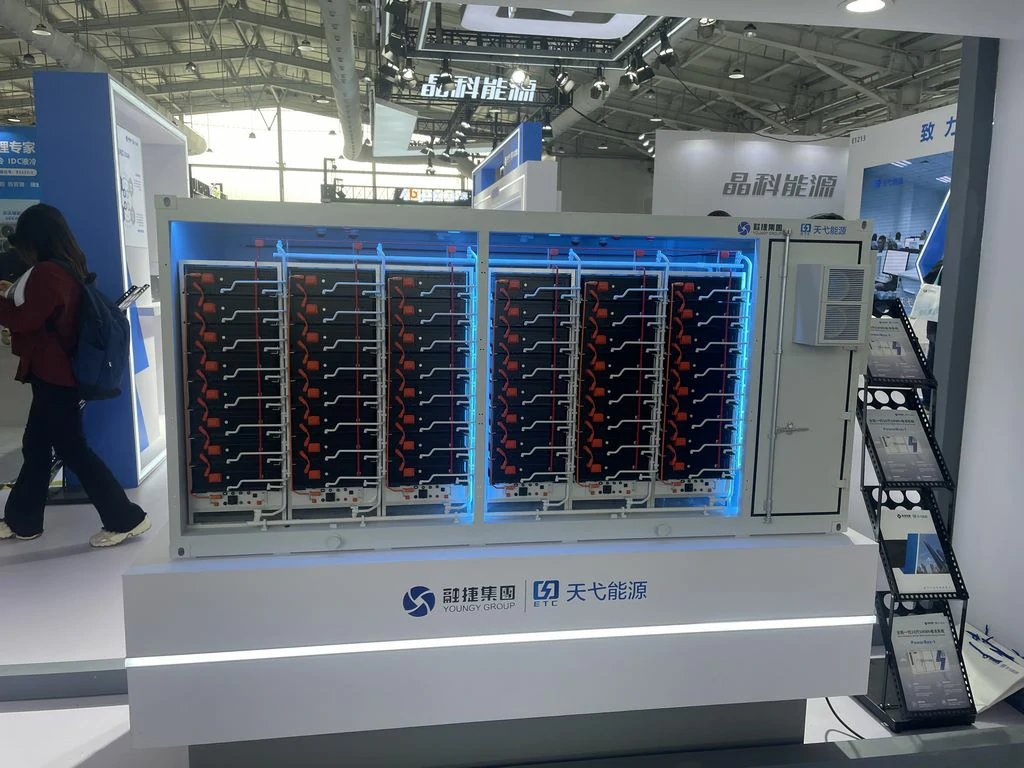
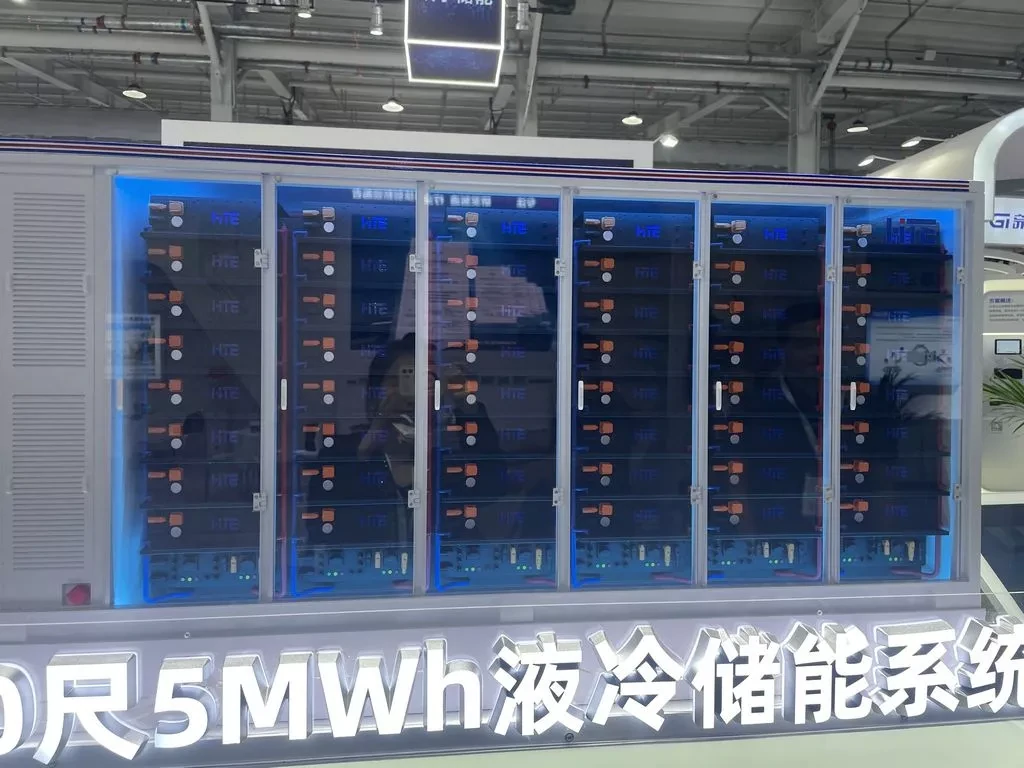
- Battery System: The battery rack is precisely 3D printed model using the actual layout, featuring a detachable design for internal structure visibility. Individual battery units are rendered in acrylic or resin, silk screened with markings like “REPT BATTERO” for authentic visual detail.
- Temperature Control System: A micro compressor integrated with a visual air duct simulates the actual refrigeration logic of an energy storage cabinet. The transparent acrylic air duct provides a clear view of airflow direction.
- Fire Protection System: A transparent acrylic tube replicates the heptafluoropropane fire extinguishing path, recreating the emergency scene. Quick-release panels on the battery and equipment compartments allow complete exposure of the internal wiring layout.
3. Dynamic Control System: Simulating Operational Logic
We build a comprehensive three-layer control system based on PLC technology:
* Execution Layer: Precise control of equipment actions.
* Data Processing Layer: Management of charge/discharge processes.
* Visualization Layer: Real-time operational status monitoring.
This system supports multiple operational modes: charging (displaying PCS status), discharging (simulating grid peak shaving), and protection (triggering temperature alarms). High-visibility LED matrix displays intuitively show SOC changes, with current simulation accuracy reaching ±1%. This scale model effectively demonstrates the operational dynamics of full-scale systems.
4. Post-Processing and Transportation Adaptation
Surface Treatment:
The cabinet’s surface undergoes thorough preparation, including sandblasting/phosphating to remove oxides and enhance coating adhesion. Multiple layers of protective coating are applied: an epoxy resin primer (50-80 μm) and a polysiloxane topcoat (80-100 μm) for superior weather resistance. Depending on application needs, high-end models utilize powder coating for enhanced surface hardness and durability.
Transportation Adaptation:
Designed with modularity in mind, the finished scale model includes a standard Modbus interface for communication with SCADA systems. The modular structure facilitates easy disassembly and packaging, meeting stringent requirements for cross-border transportation, including seismic and moisture protection.
5. Restoration Degree and Application Value
This 3D printing model achieves a restoration rate of 90%, accurately representing key elements of a full-scale energy storage cabinet, including battery module layout, temperature control system logic, fire protection device paths, and energy management processes. This industrial model serves multiple valuable purposes: interactive display at new energy exhibitions, intuitive reference for energy storage project scheme review, and practical support for technology dissemination and international cooperation. This sand table model provides a tangible representation for better understanding complex energy storage systems.