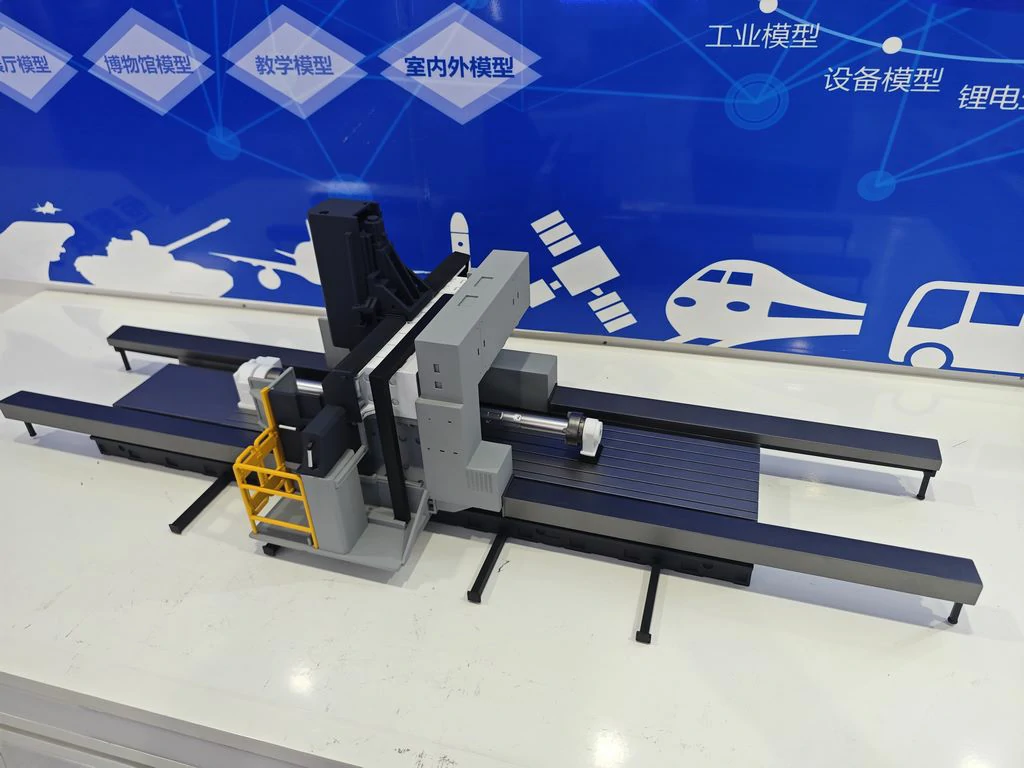
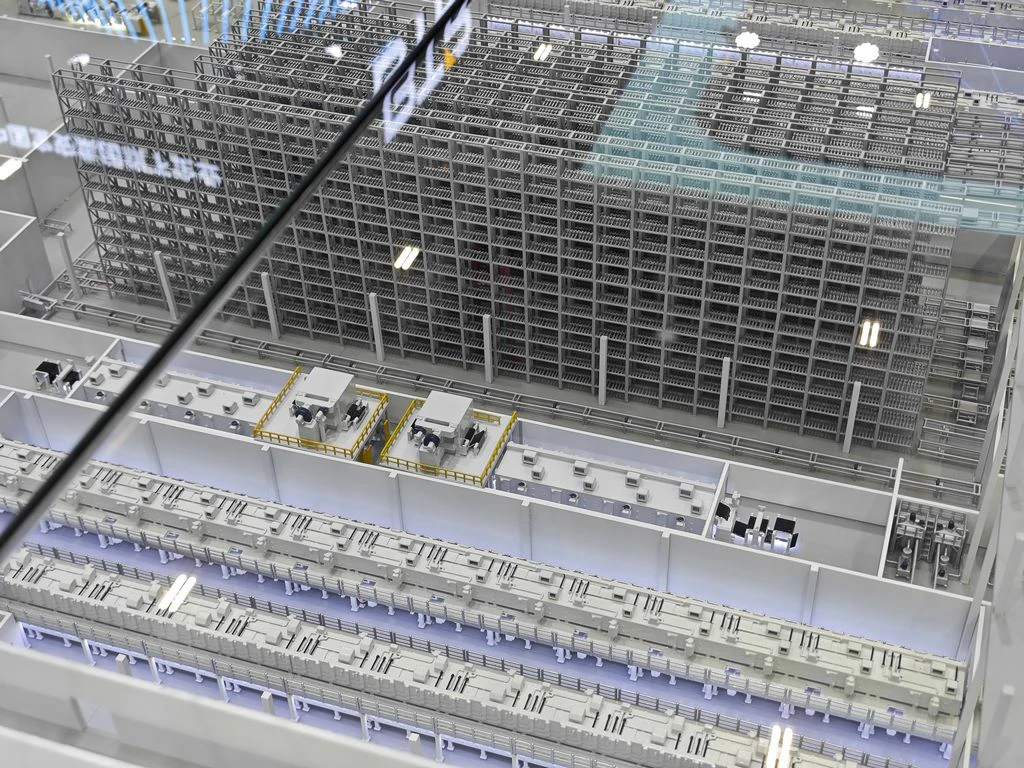
I. Foundation Construction Process for Sand Table Scale Model
Our production process begins with a layered approach for crafting the sand table scale model. We start by laser-cutting a 5mm acrylic sheet to define the terrain outline, followed by thermal bending techniques to shape the undulating mining area topography. The tunnel network is meticulously constructed using pre-installed ABS round tubes, whose walls are manually textured to simulate coal seam patterns. Strategic points feature miniature LED lighting to mimic mine lamp illumination. Ground structures like buildings are finely crafted from birch plywood panels, while industrial components such as mine frames and coal bunkers are assembled from precisely etched metal sheets, complete with hand-applied 0.3mm copper wire rivets.
II. Scene Refinement Techniques for Industrial Scale Model
-
Accurate Coal Seam Representation: Achieving authentic geological detail involves mixing gypsum powder and coal ash in a precise 3:1 ratio, augmented with brownish-red mineral pigments. Employing an alternating ‘scrape-and-spray’ technique builds up 7-8 layers of realistic sedimentary texture.
-
Authentic Equipment Reproduction: Key machinery, such as the coal cutter, is precision-cast from zinc alloy and undergoes aging for authenticity. Conveyor belts utilize genuine rubber materials, designed with a 1:100 scale movement gap for operational realism. We also offer 3D printing model services for complex equipment parts, ensuring high precision.
-
Structural Integrity in Tunnels: Tunnel support structures are fabricated using advanced photo-etching technology, followed by sandblasting and immersion in a specialized rusting solution for 72 hours to develop a natural oxide layer, enhancing the model’s industrial feel.
III. Advanced Color Treatment System for Realistic Scale Models
-
Base Color Application: The entire model surface is initially coated with matte black paint, then selectively dry-brushed with mineral color powders to emphasize geological faults and fractures, contributing to a highly realistic visual effect.
-
Equipment Coating Techniques: Machinery elements receive multiple coats of enamel paint. Critical areas undergo a specialized ‘triple stain rendering’ process (dark brown stain wash -> rust spot staining -> glossy oil finish) to achieve aged, industrial aesthetics.
-
Environmental Integration Effects: Coal piles are rendered using electrostatic flocking technology, combined with custom-mixed coal ash (crushed coke + graphite powder) applied via screening to create a naturally occurring accumulation texture.
IV. Dynamic Effect Integration for Enhanced Model Realism
-
Transportation System Simulation: Subtle miniature motors are integrated to drive pulley systems within the model, operating at a controlled 0.5 m/min speed to simulate real-world conveyor operations accurately.
-
Lighting System: Warm-light LEDs are strategically placed every 20 cm along tunnel pathways. These are coordinated by a central control unit to produce a dynamic ‘mining lamp movement’ effect, enhancing the immersive experience.
-
Atmospheric Effects: Ventilation shaft locations feature integrated ultrasonic mist generators, releasing fine aerosols that, combined with blue cold light, effectively depict airflow and mine atmosphere.