Custom Yacht Scale Models: Essential Elements for Model Making
In today’s pursuit of personalization and collectible value, custom yacht scale models have become a popular choice for sailing enthusiasts and collectors. Unlike standardized products, custom yacht models require detailed communication of requirements and material preparation to transform abstract ideas into precise miniature artworks. This guide will systematically explain the core content needed for custom yacht scale model customization, covering industrial model requirements from three dimensions.
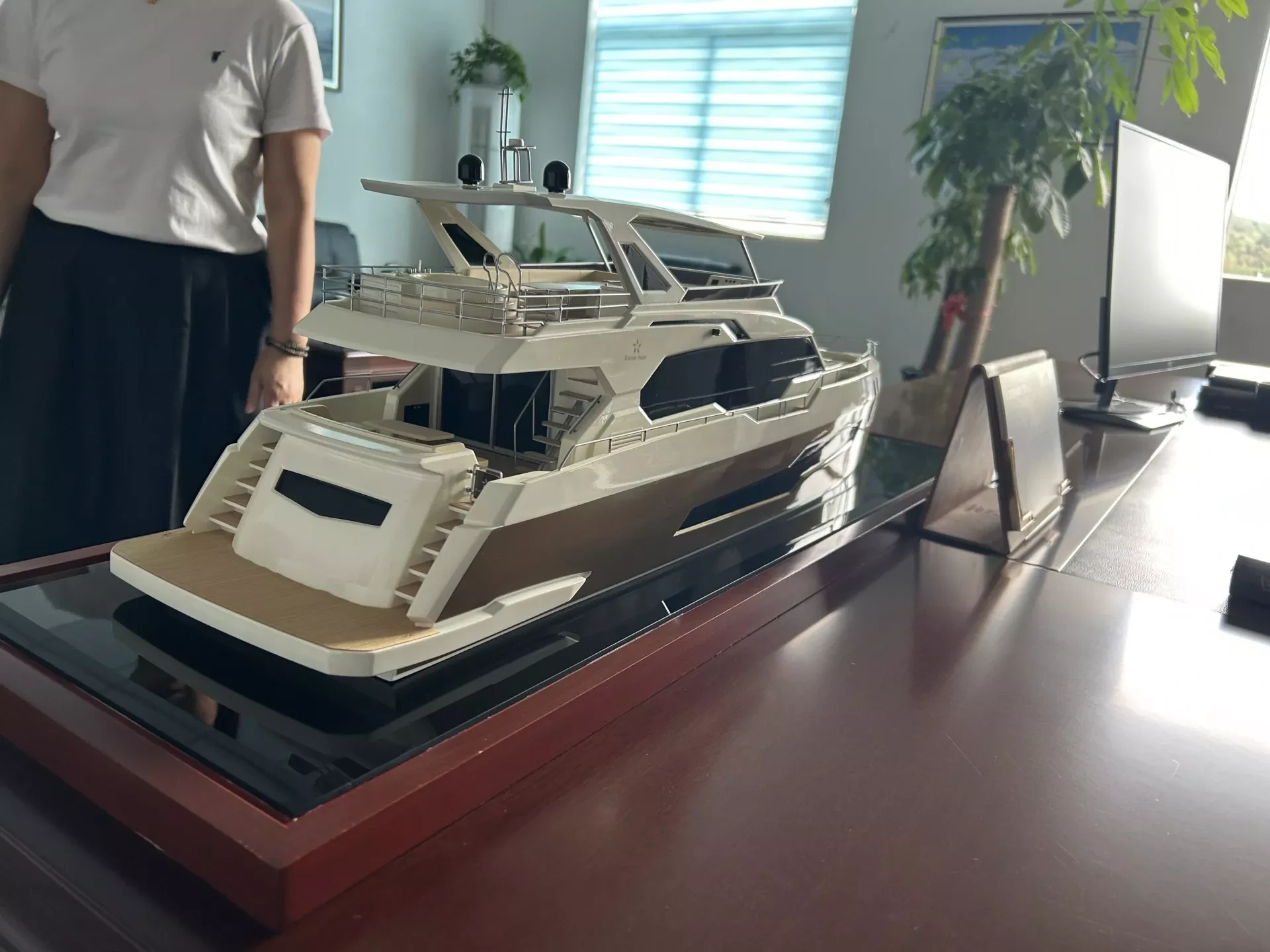
1. Basic Parameters and Functional Positioning
At the beginning of custom yacht scale model customization, it is necessary to clarify the model’s fundamental attributes:
- Size and Scale: Provide the desired model length (e.g., 30cm/50cm) and scaling (e.g., 1:50/1:100). This directly determines detail accuracy and display scenes. Consider options like a sand table model for presentation.
- Prototype Reference: If referencing a real ship, provide the ship model, construction year, and clear multi-angle photos. For an ideal ship, describe the desired type (e.g., classical sailboats, modern motorboats).
- Functional Requirements: Explain the model’s purpose (collection, display, business gift, teaching). Declare any dynamic functions (e.g., remote navigation, lighting simulation) needed for your scale model.
- Material Preference: Specify the main material (e.g., sandalwood, resin, metal) and decorative component materials (e.g., brass guardrail, silk sail). Material choice impacts the industrial model feel.
2. Design Data and Detail Specifications
Accurate design input is crucial for restoring the yacht’s charm:
- Hull Design:
- Provide a color scheme for the hull, including underwater coloration.
- Specify painting patterns (e.g., bow emblem, ship name font, registration number).
- Deck Layout:
- Clearly define deck components: anchor position, hatch shape, layout of fittings.
- Number of masts and rigging details.
- Cable routing and arrangement.
- Internal Structure (for sectional models):
- Specify interior cabin areas to be displayed (bridge, cabin, galley).
- Provide reference for interior decoration style (e.g., modern minimalist, Victorian).
- Special Details:
- Identify characters and positions for important markings (port of registry, draft scale).
- Detail requirements for small components (e.g., rotatable rudder blades, folding gangways).
3. Collaboration Process and Delivery Standards
To ensure the finished scale model meets expectations, agree upon these matters:
- Design Confirmation: Require the production team to provide 3D renderings or construction drawings for approval.
- Stage Acceptance: Set acceptance points for key processes like hull shaping, painting, and final assembly.
- Delivery Standards: Define packaging (e.g., shockproof packaging, display base) and accompanying materials (e.g., collection certificate, maintenance manual). For complex builds, consider a 3D printing model for initial checks.
- Timeline and Budget: Provide expected project duration and budget range to facilitate the production team’s planning for process complexity and material selection.