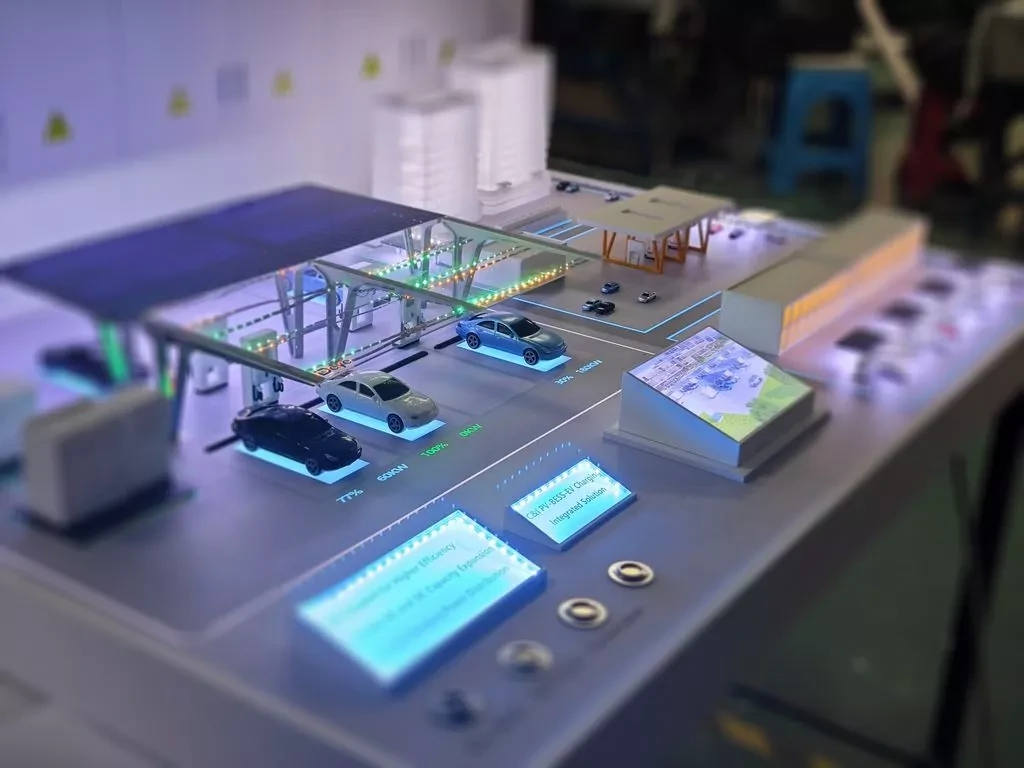
Sand Table Scale Models | Multi-Dimensional Display Solutions
Sand Table Scale Models: Multi-Dimensional Display Solutions
In today’s digital age, the sand table model stands as a powerful physical tool, bridging the gap between abstract concepts and tangible reality. Combining unique spatial expression and physical properties, this scale model offers an irreplaceable solution for planning, communication, and decision-making across various fields. It transforms complex ideas into a three-dimensional “encyclopedia,” serving as an essential bridge for innovation and understanding.
1. Urban Planning & Construction: The “Navigator”
In urban planning and public utilities, sand table scale models provide the most intuitive preview of project designs. These scale models convert two-dimensional blueprints into tangible, three-dimensional representations. This allows decision-makers, stakeholders, and citizens to visualize future cityscapes, functional layouts, traffic flow, and environmental interactions. Whether for new area development or city renovation, these scale models effectively integrate complex spatial relationships. They help refine strategies, optimize plans, and build consensus for large-scale projects.
2. Architectural Design & Communication: The “Three-Dimensional Language”
For architects and designers, sand table scale models are indispensable tools for refining concepts, testing creativity, and communicating plans. These scale models visually and tactibly demonstrate building forms, spatial arrangements, material textures, and lighting effects. They offer a unique spatial experience that surpasses virtual models. When presenting to clients or experts, a high-quality scale model becomes the most effective communication medium, translating complex designs into easily understandable visuals and improving the success rate of project approvals.
3. Education & Cultural Exhibition: The “Vivid Classroom”
In education and cultural exhibitions, sand table scale models serve as highly engaging carriers of knowledge. From geography terrain models to history site restorations and science biosphere simulations, these scale models make abstract concepts tangible and stimulate spatial imagination. In museums and science centers, scale models recreate historical scenes, urban development, or scientific principles, offering intuitive, immersive learning experiences. They are powerful tools for educational display and cultural preservation.
4. Industrial Design & Emergency Management: The “Visual Platform”
In industrial manufacturing, sand table scale models are widely used to visualize complex systems. These scale models help engineers understand equipment layouts, factory processes, and workflow optimization. Simultaneously, in emergency management (e.g., fire safety, flood response), sand table scale models support disaster simulation and rescue planning. They enhance command efficiency and coordination, providing a crucial platform for effective crisis response and risk mitigation.
Conclusion
Sand table scale models transcend their physical form, integrating spatial thinking, aesthetic expression, and practical functionality. In an era of information overload, these scale models remain essential tools for planning, communication, education, and decision-making. Their unique combination of intuitiveness, interactivity, and comprehensiveness provides irreplaceable value across diverse industries, from urban planning to emergency response, proving their enduring relevance and appeal.