Professional Architectural Scale Models | Expertise in Materials & Craftsmanship
The Art of Architectural Model Making: Precision, Detail, and Craftsmanship
Creating high-quality architectural scale models is a specialized profession that blends artistic interpretation, technical precision, and engineering expertise. A professional architectural model workshop possesses a comprehensive knowledge base, from material selection to fabrication techniques, enabling the production of models that are both visually compelling and technically accurate. Behind every successful architectural model lies meticulous attention to detail and a profound understanding of material properties and construction methods.
Understanding the Design Intent
The foundation of any successful architectural model begins with a deep understanding of the design intent. Professional model makers meticulously study architectural drawings and blueprints, engage in detailed communication with the design team, and fully grasp the meaning and function of each element. Accurately interpreting the design is crucial for creating a model that authentically represents the architectural vision. This thorough initial phase directly influences the final quality of the architectural model.
Material Selection: The Key to Authenticity
Choosing the right materials is a critical decision in architectural model production. The type of model dictates the appropriate materials. For instance:
- Conceptual Models: Often utilize lightweight materials like expanded polystyrene (EPS) foam, EPP foam, or cardboard for rapid iteration and flexibility.
- Presentation Models (Display Models): Require more refined materials such as solid wood, laser-cut acrylic, high-quality balsa wood, brass, or even bronze to achieve the highest visual standards.
- Industrial Models (Scale Models): May incorporate specialized engineering components or machinery parts, depending on the project’s complexity.
A professional architectural model workshop maintains a diverse inventory of materials and can expertly recommend the optimal material combinations based on the project specifications and budget.
Determining the Appropriate Scale
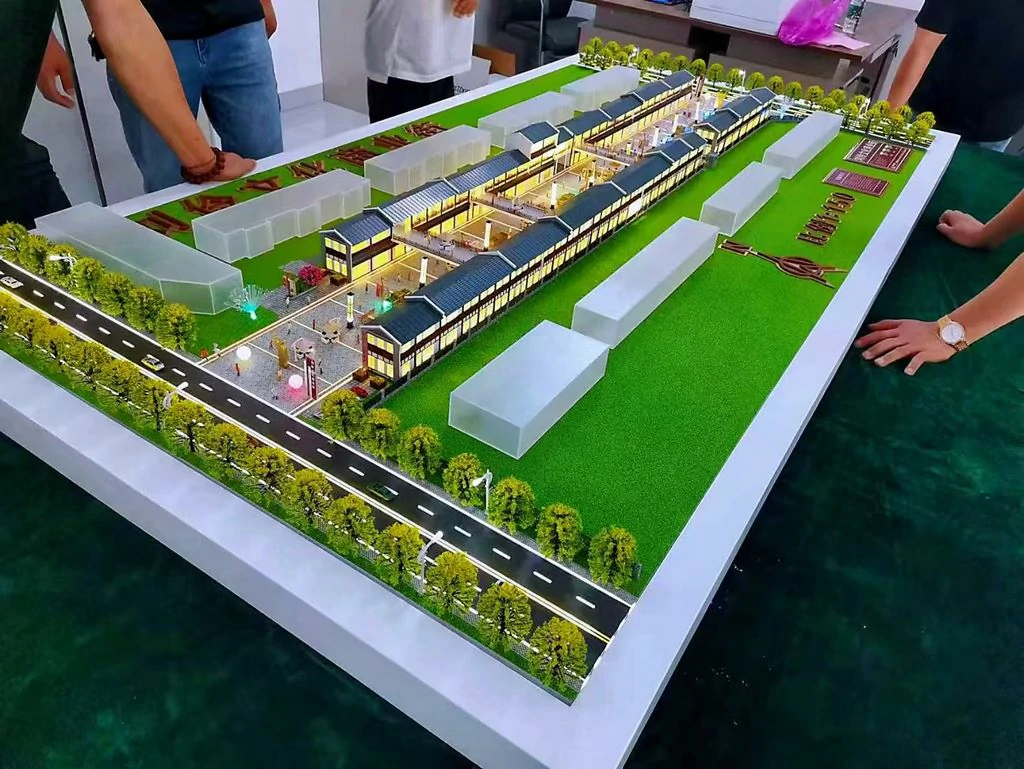
Selecting the correct scale is fundamental to architectural model making. This decision involves balancing several factors: the available display space, the desired level of detail, and the practicality of transporting the finished model. Common architectural model scales range significantly:
- Large Format: 1:500 scale models are often used for urban planning and site studies.
- Medium Format: Scales like 1:300 or 1:200 are suitable for detailed building sections and public realm models.
- Small Format: 1:100 to 1:50 scales are frequently used for interior design and detailed architectural features.
- Very Small Format: 1:20 and smaller scales focus on intricate interior details or decorative elements.
Professional model makers can advise on the optimal scale, ensuring the model captures essential details while maintaining overall harmony and fit for its intended purpose.
Advanced Manufacturing Processes for Architectural Models
Modern architectural model production leverages sophisticated technology alongside traditional craftsmanship. In a professional model workshop, creating a high-caliber architectural model typically follows these stages:
- Digital Fabrication: Utilizing Computer Numerical Control (CNC) routers or laser cutters to precisely cut intricate shapes from chosen materials.
- Assembly & Detailing: Manual assembly combined with specialized surface treatments (painting, etching, laminating, staining, metal finishing) to replicate the texture and appearance of various materials.
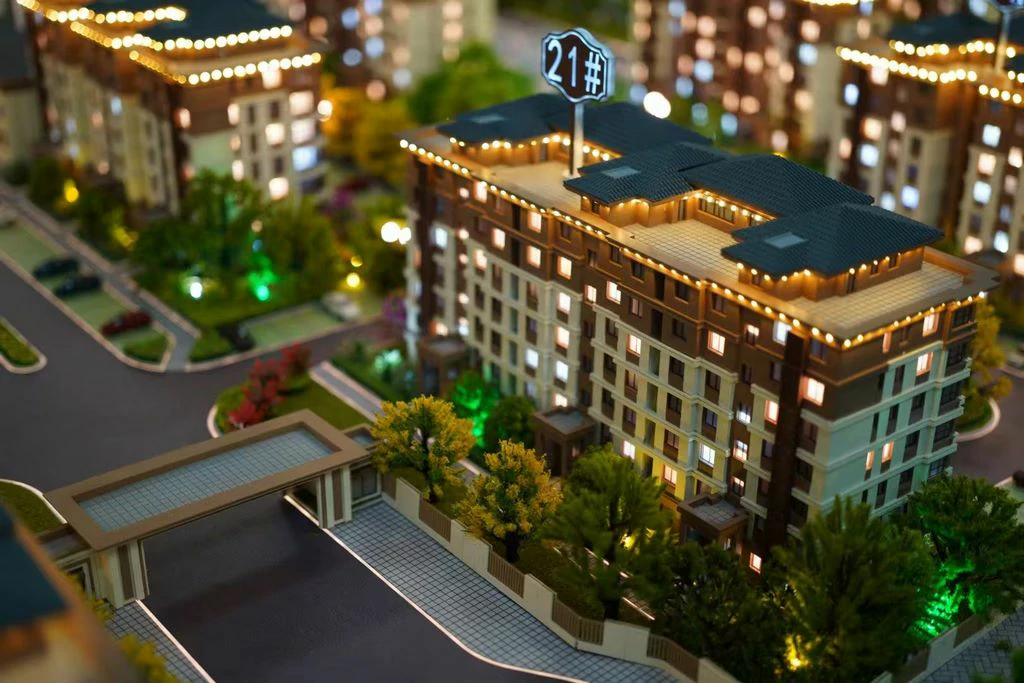
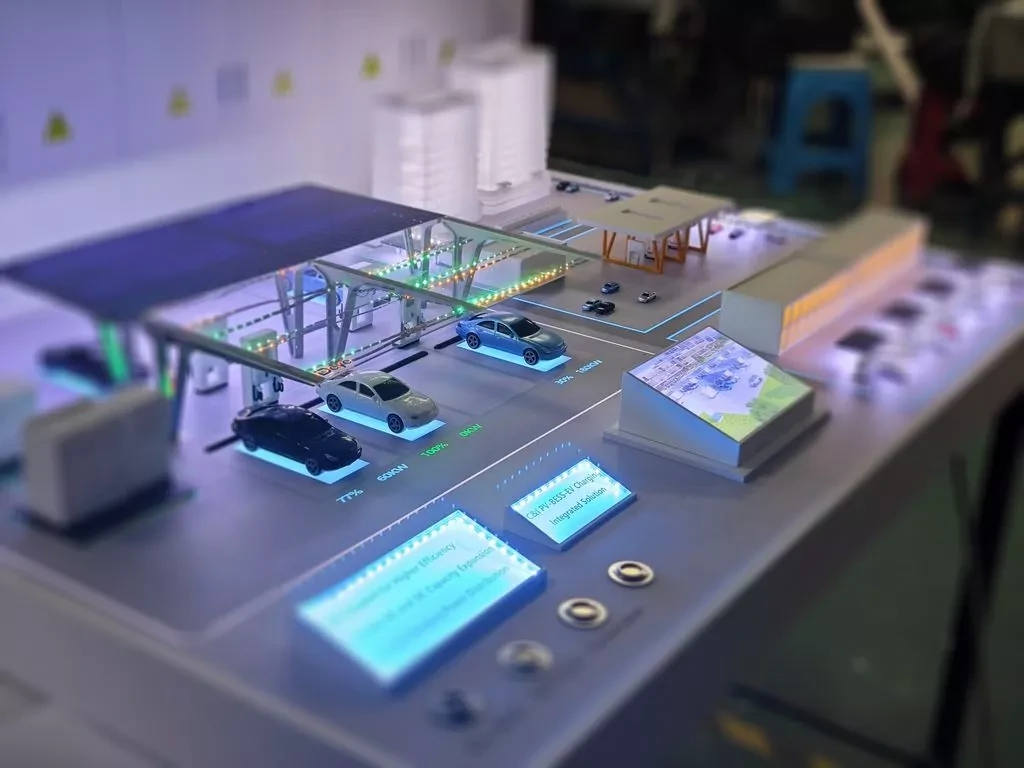
- Scene Building: Incorporating miniature landscapes, landscaping elements, figures, vehicles, and other contextual details to bring the model to life.
- Lighting Integration: Designing and installing lighting systems (ambient, accent, task, dynamic) to enhance the model’s visual impact and highlight key architectural features.
Technology’s Role in Model Production
Technological advancements have dramatically expanded the possibilities for architectural model creation:
- Laser Cutting: Allows for extremely precise cutting of flat materials like acrylic, wood veneer, fabric, and plastic sheets.
- 3D Printing (Additive Manufacturing): Ideal for producing complex, curved geometries, intricate details, and functional components that would be difficult or impossible to create with traditional methods. This is a powerful tool for architectural model making, often referred to as a 3D printing model service.
- CNC Milling: Capable of carving three-dimensional shapes directly from blocks of material like wood, foam, or even stone, achieving high precision and repeatability.
However, technology remains an enabler; the ultimate quality of the architectural model depends on the maker’s artistic sensitivity and technical skill.
Precision Detailing and Craftsmanship
The realism of an architectural model hinges on its minute details. Subtle elements like the reflection in windows, the weathering effects on building surfaces, or the natural variation in landscape foliage collectively create a convincing representation. Expert craftsmanship employs techniques such as:
- Specialized Painting & Finishing: Achieving realistic material appearances (concrete, brick, wood grain, fabric, metal finishes).
- Etching & Engraving: Adding fine details and textures to surfaces.
- Custom Metal Components: Fabricating specific hardware, signage, or architectural elements.
- Material Simulation: Using techniques to mimic the look and feel of various building materials.
Lighting: The Final Touch
Lighting is increasingly recognized as a vital element in architectural models. Thoughtfully designed lighting can dramatically transform the model’s appearance:
- Highlighting Architectural Features: Emphasizing form, texture, and scale.
- Creating Mood & Atmosphere: Mimicking natural light conditions or setting specific ambiance, especially relevant for interior spaces.
- Dynamic Lighting: Simulating changing daylight conditions or adding interactive elements.
Integrating a lighting system requires collaboration between model makers and lighting specialists, ensuring both technical functionality and aesthetic harmony.
Transporting and Displaying Large-Scale Models
For larger architectural models, logistical considerations are paramount. Modular construction allows the model to be disassembled into manageable sections for transportation and reassembled on site. Professional architectural model workshops design robust connection systems and protective packaging to ensure the model arrives intact and can be efficiently assembled for display.
Customization: The Heart of Unique Projects
Architectural model making inherently involves customization. Each project presents unique challenges and requirements. A professional architectural model workshop excels at providing bespoke solutions, whether it involves:
- Specialized Materials: Incorporating unique or non-standard materials.
- Unique Construction Techniques: Developing bespoke fabrication methods.
- Innovative Display Concepts: Creating novel ways to present the model or its context.
This ability to tailor the process and output is a core competitive advantage for expert architectural model makers.
Collaboration: From Vision to Tangible Reality
The creation of an architectural model is a dynamic collaborative process. It is the synthesis of architectural concepts, client needs, and manufacturing expertise that transforms abstract ideas into tangible, three-dimensional reality. Professional architectural model workshops act not just as manufacturers, but as creative partners, guiding clients from the initial concept through to the final presentation of a compelling scale model or sand table model. This collaborative journey is an art form itself, essential for bringing architectural visions to life effectively.