Creative Building Scale Models | Architectural Model Making Practice
Architectural model making is a crucial practice, translating abstract design concepts into tangible, visual representations. This guide explores the creative process, innovative materials, practical techniques, inherent challenges, and real-world applications of creating scale models, from traditional sand table models to advanced 3D printing models.
1. Creative Expression in Model Making
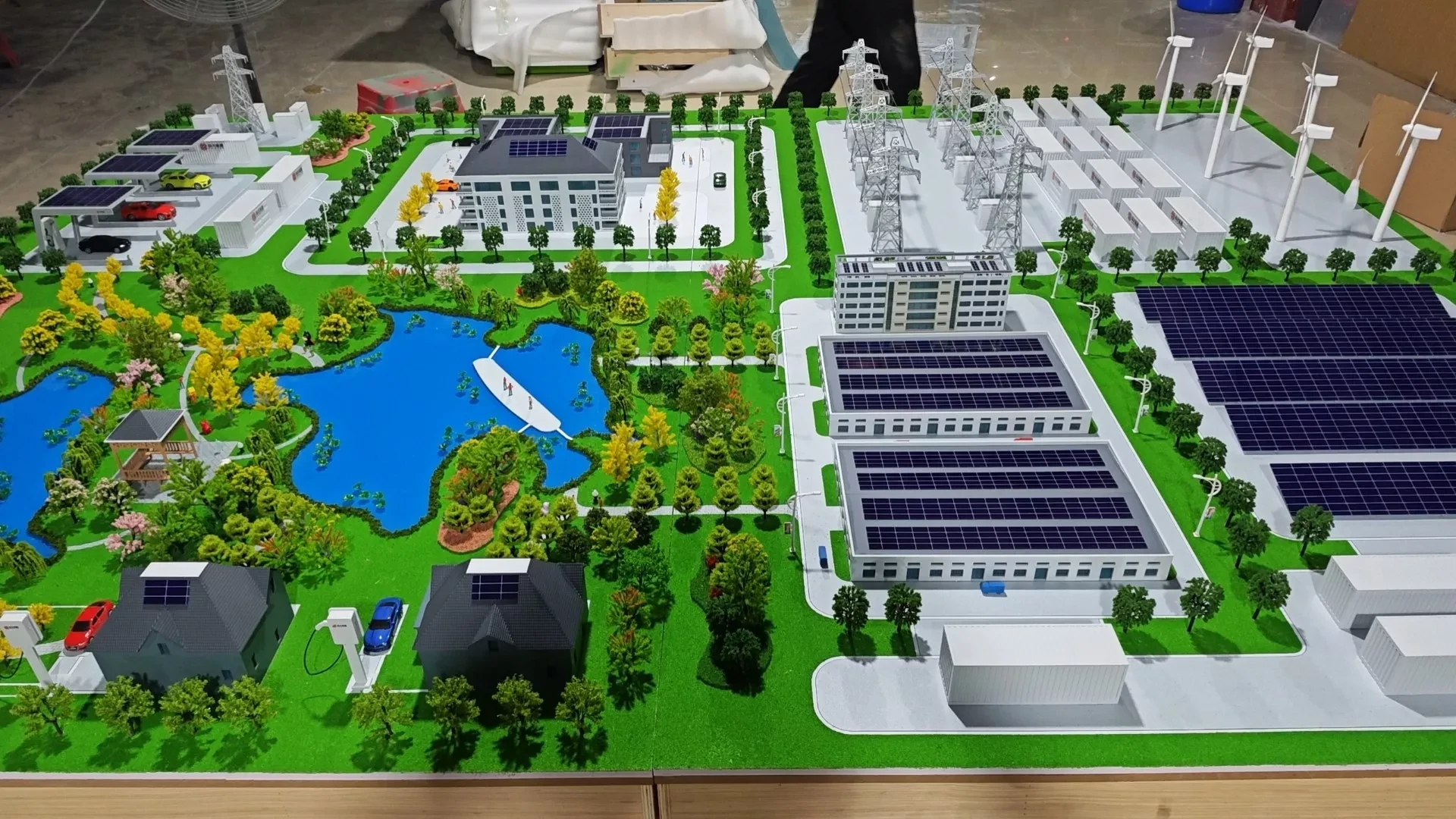
Architectural scale models serve as the primary vehicle for a designer’s creativity. They transform conceptual blueprints into physical forms, allowing designers and stakeholders to visualize spatial relationships, material textures, and overall form. For instance, in complex urban planning projects, detailed scale models can simulate site topography, optimize building placement, and enhance understanding of the dynamic circulation patterns within public spaces.
2. Innovative Materials and Tools for Model Production
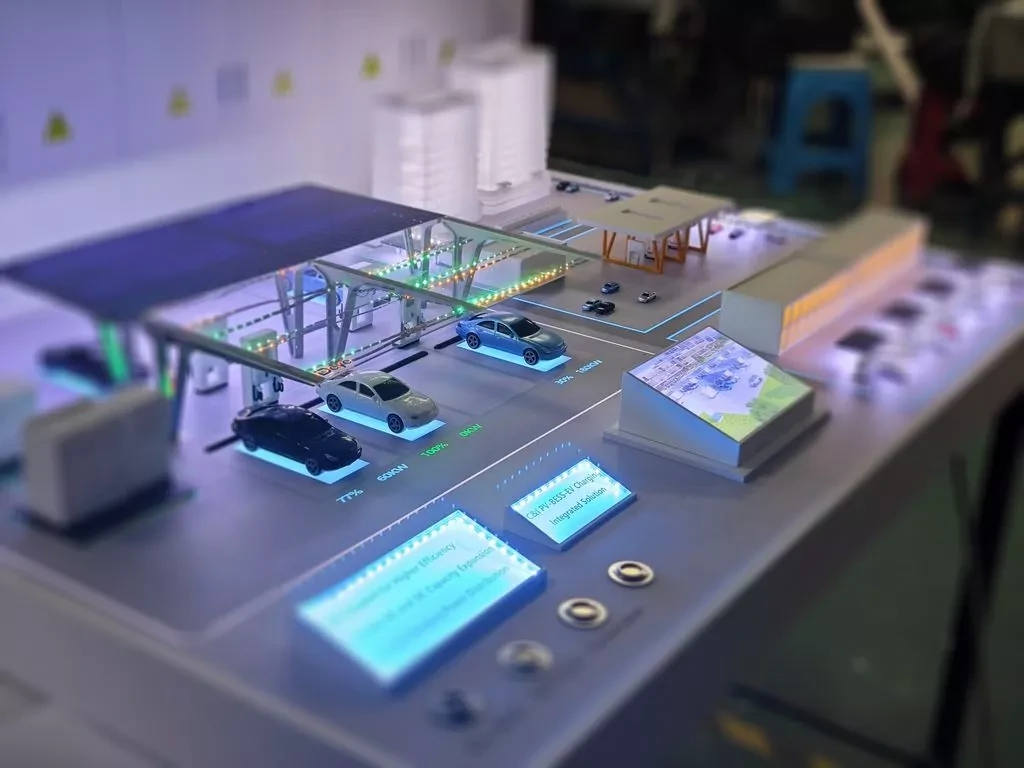
Contemporary architectural model making leverages cutting-edge materials and technologies to achieve unprecedented detail, interactivity, and efficiency. The widespread adoption of 3D printing models enables rapid prototyping of intricate geometries that would be difficult or time-consuming to construct manually. Furthermore, the exploration of smart materials—those responsive to light, temperature, or touch—adds a dynamic layer to models, creating interactive experiences that demonstrate how the built environment might function.
3. Practical Steps and Techniques in Model Making
The process of creating a physical model involves several key stages, depending on the complexity and desired outcome (e.g., detailed scale models, industrial models, or conceptual sand table models).
- Digital Design: The foundation of most modern models begins with digital modeling. Software like SketchUp, Rhino, or Revit is used to create precise 3D digital models, defining geometry, textures, and components.
- Fabrication Preparation: For non-3D printed models, detailed planning follows digital design. This includes selecting appropriate materials (foam, wood, plastic, resin), deciding on construction methods (e.g., box cutting, carving, joining), and creating templates or patterns.
- 3D Printing Process: For 3D printing models, the digital file is prepared (slicing) to generate the G-code instructions for the printer. Critical parameters like layer height, infill density, print speed, and support structure generation are carefully adjusted to balance quality, strength, and print time.
- Post-Processing & Detailing: Regardless of the fabrication method, post-processing is often essential. This may involve sanding rough edges, filling gaps, applying finishes (paint, varnish, dyes), adding realistic textures, or incorporating small-scale details and components (like miniature figures or furniture).
4. Challenges and Breakthroughs in Model Craft
While model making is an invaluable tool, it faces certain challenges. Technical limitations exist, particularly with 3D printing models which can be expensive for large or highly complex projects, and may not perfectly replicate material properties or scale-specific details. Creative bottlenecks can also arise, demanding fresh perspectives. Overcoming these requires continuous learning, experimentation, and often, interdisciplinary collaboration, drawing insights from fields like engineering, fine art, or even industrial design for industrial models.
5. Case Study: Model Making in Community Engagement
A compelling example of architectural model making’s impact is seen in urban renewal projects. In one instance, a community-driven scale model was developed during the planning phase. Local residents were invited to interact with the model, physically tracing routes, pointing out sightlines, and suggesting modifications. This interactive process transformed the model into a powerful democratic tool, directly incorporating community feedback (e.g., requests for wider sidewalks or specific park features). This application significantly enhanced the project’s social value by fostering transparency and collaborative decision-making.
Conclusion: The Enduring Importance of Architectural Models
In essence, architectural model making is the vital bridge connecting abstract design concepts to the tangible reality of the built environment. It fosters creativity, enables complex problem-solving, facilitates communication, and allows for refinement before costly construction begins. As materials, tools, and techniques continue to evolve – from traditional craftsmanship to sophisticated 3D printing models and specialized industrial models – the practice remains indispensable. It continues to drive innovation within architectural design and related industries.