Custom Scale Model Services | Full-Process Model Manufacturing
Customized Model Full-Process Guide: Standardized Services from Requirements to Finished Products
I. Requirement Analysis and Design Planning
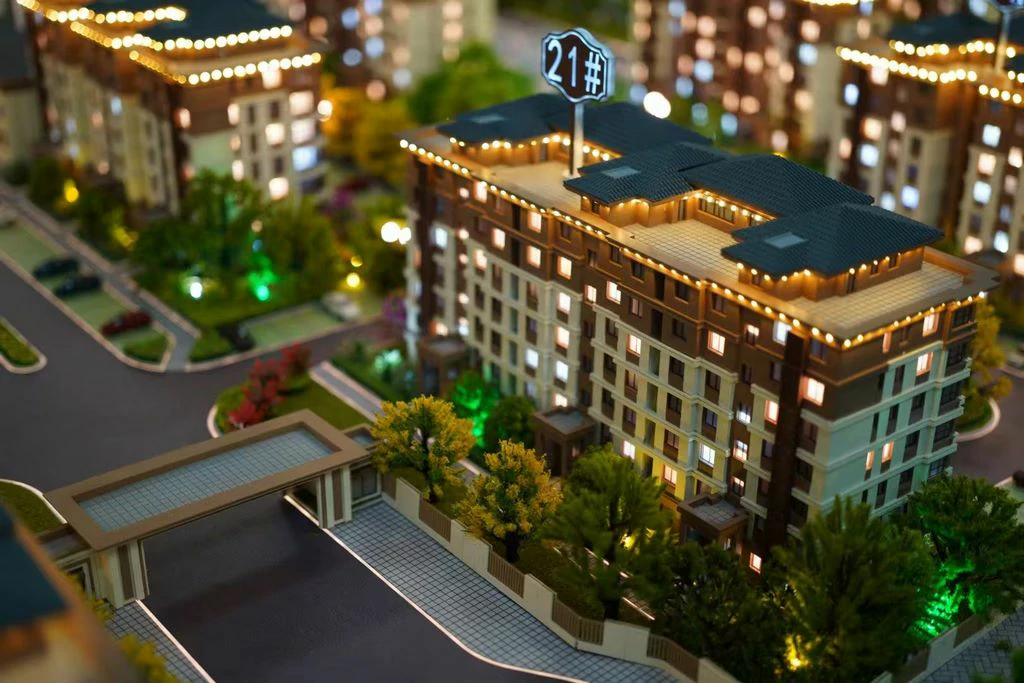
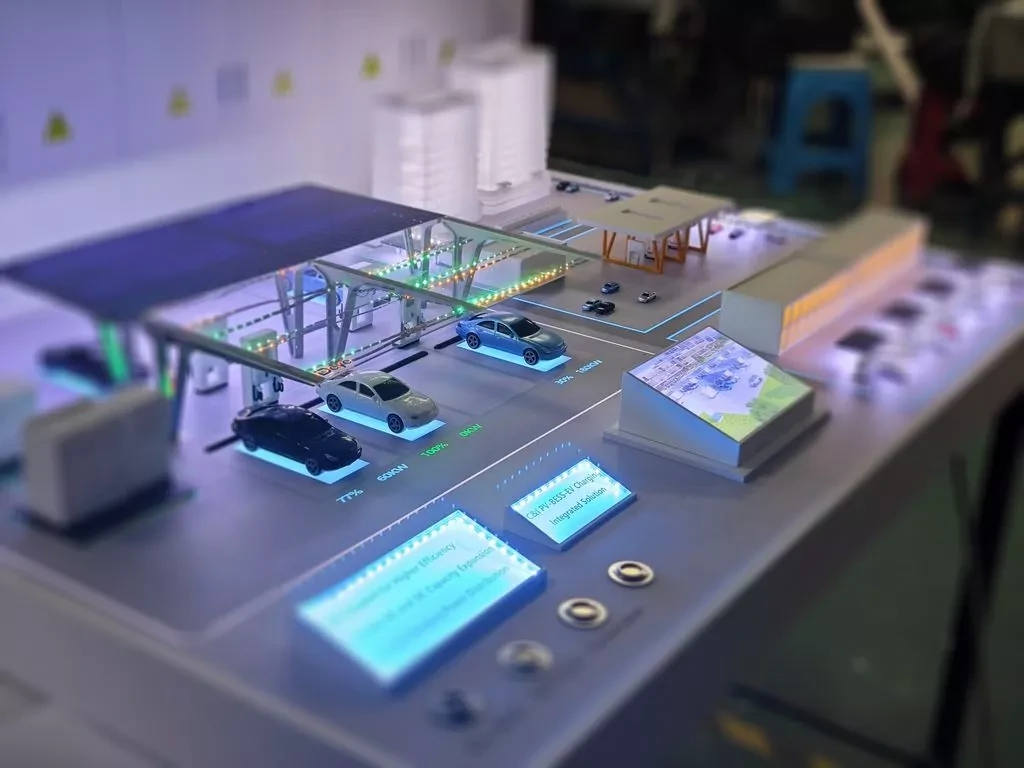
The foundation of any successful custom model lies in accurately matching the client’s needs from the outset. Our process begins with a thorough understanding of the model type (e.g., architecture, aerospace, industrial products), intended application (e.g., exhibition, teaching, collection), and core specifications:
- Basic Information Confirmation:
- Scale dimensions (e.g., 1:50 architectural model, 1:200 aerospace model).
- Functional requirements (static display, dynamic interaction).
- Material preferences (resin, metal, composite materials, etc.).
- Design Scheme Output:
- Based on client drawings or actual machine data, our designers create detailed 3D models using CAD software.
- This stage defines the model structure decomposition (e.g., wall, door, window separation in architectural models) and detail restoration standards (e.g., instrument panel texture in aerospace models).
- Repeated client confirmation of design drafts is crucial to prevent rework during later stages.
II. Material Selection and Process Customization
Choosing the right materials and processes is essential for achieving the desired outcome.
- Material Matching Principle:
- Appearance & Durability: Static models often benefit from high-strength resin or fiberglass for fine surface textures and anti-aging properties. Dynamic models require lightweight materials, potentially utilizing aluminum alloy or carbon fiber composites.
- Detail Presentation:
- Precision components (e.g., architectural windows, aerospace hatch doors) are typically made from transparent acrylic or ABS plastic, ensuring dimensional accuracy through injection molding.
- Metal components (e.g., brackets, connectors) must undergo rust-proof treatment.
- Process Plan Determination:
- Molding Process: Complex surfaces can be 3D printed (using resin with layer thickness ≤0.1mm to minimize visible layer lines). Large structural components are often produced via CNC machining or mold casting.
- Surface Treatment: This involves a meticulous five-step process: rough grinding (80-grit sandpaper), fine grinding (400-grit sandpaper), primer application, color painting, and a final clear coat. This ensures a uniform, glossy finish.
III. Prototype Production and Test Optimization
Verification through prototypes ensures the final product meets specifications.
- Rapid Prototype Verification:
- We create 1:1 prototypes using methods like 3D printing or manual sculpting to verify:
- Proportional accuracy (error tolerance ≤ 2%).
- Component splice gaps (≤0.5mm).
- Functional feasibility (e.g., smooth operation of movable parts, stability of lighting systems).
- We create 1:1 prototypes using methods like 3D printing or manual sculpting to verify:
- Multiple Rounds of Optimization and Adjustment:
- Based on prototype testing feedback, design defects are addressed:
- Structural Optimization: Adjusting the center of gravity to enhance stability.
- Detail Supplementation: Adding texture stickers to architectural models or incorporating logos onto aerospace models.
- Material Substitution: Switching to higher-strength composites if deformation risk is identified in the prototype.
- Based on prototype testing feedback, design defects are addressed:
IV. Mass Production and Quality Control
Our standardized production process guarantees consistency and quality.
- Standardized Production Process:
- Sub-Assembly Processing: Components are disassembled according to the design and produced in batches using mold casting or CNC machining. Key parts (e.g., beams/columns for architecture, engines for aerospace) undergo rigorous individual quality inspection.
- Assembly and Debugging: Components are fixed using adhesives or screws, ensuring a sturdy overall structure. Dynamic models require functional testing (e.g., lighting, transmission systems).
- Full Inspection Standard:
- Appearance: Checks for no scratches, color inconsistencies, and clear, legible patterns/text.
- Structure: Ensures load-bearing capacity meets standards (e.g., static models holding ≥5kg) and components are secure without looseness.
V. Packaging, Delivery, and After-Sales Support
Customized Packaging
We utilize a double-layer protective approach, typically foam lining + wooden box, with precision components individually secured. Installation guides (e.g., base assembly steps) are included as needed.
After-Sales Guarantee
We stand behind our work with:
* Paint Repair Services: Available (excluding damage caused by external factors).
* Technical Support: 24/7 response to customer inquiries and assistance with installation or maintenance issues.
By combining standardized processes with tailored services, we ensure comprehensive control from design to delivery, meticulously meeting clients’ core requirements for accuracy, appearance, and functionality across various types of scale models, including sand table models, 3D printing models, and industrial models. For further information on a specific model type’s process, please provide detailed requirements to obtain a customized solution.