Proportional Ship Scale Models | Craftsmanship Marine Models
Discover the intricate art of scale model shipbuilding. Our proportional ship scale models blend exceptional craftsmanship with historical detail, bringing the vastness of the sea into miniature form.
The Art of Proportional Ship Scale Models
A miniature vessel rests quietly on its sand table model display. Though lacking the power of the open ocean, it embodies the spirit of adventure. Proportional ship scale models are a remarkable art form, condensing the grandeur of large ships into a tangible, detailed representation. These models are not merely physical replicas; they are tributes across time and space, reflecting a creative journey blending technical precision and artistic sentiment.
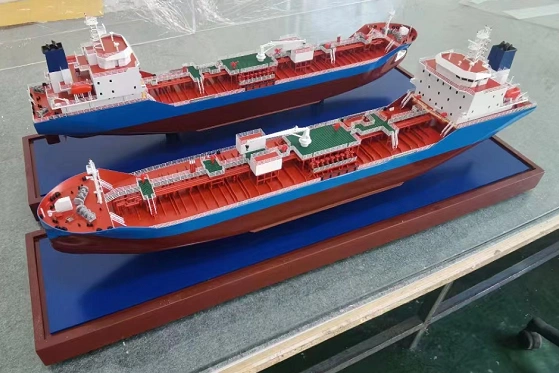
The appeal of scale model ships begins with the fundamental principle of ‘proportion’. Whether crafting a large-scale scale model like 1:50 or an intricate one like 1:70*0, proportion dictates the size and sets the production standard. It demands rigorous engineering-like calculation for each rib spacing and deck curvature. As the ancient saying goes, ‘Small errors lead to large ones.’ In model making, strict adherence to proportion preserves the miniature hull’s resemblance to the full-size vessel. Choosing the right scale is a fundamental choice of expression – larger scales reveal intricate details, while smaller scales emphasize the overall layout.
Material Selection for Excellence
The materials chosen for your scale model are its very essence. Different materials dramatically alter the model’s feel and appearance. Light woods and plywood offer warmth and ease of hand crafting, with each cut imbued with the maker’s intention. ABS plastic sheets, resins, and 3D printing model capabilities allow for precise reproduction of complex outfitting details with remarkable fidelity. The Fiberglass Reinforced Plastic (FRP) process, utilizing molds and resins, enables the creation of smooth, perfect hull lines, ideal for models emphasizing hydrodynamic performance. Even traditional materials like horsehair manure paper and cardboard, with ingenuity and meticulous polishing, can transform simple stock into unique, environmentally friendly artworks. Material selection is both a technical necessity and an aesthetic choice.
Technical Precision and Craftsmanship
Drawings and craftsmanship form the skeleton and meridians of the scale model. A detailed three-view drawing and rib chart are essential blueprints for success. Building the internal framework of the keel and ribs, then layering the hull plates, requires meticulous attention to detail. The production of wooden boat models emphasizes fundamental skills like “cutting, grinding, and sticking”. The integration of modern 3D printing model technology has revolutionized creating complex components, efficiently combining traditional methods with cutting-edge precision. The installation of railings, portholes, lifeboats, and even the thinnest deck fittings are tests of patience and precision. These intricate parts often best showcase the ingenuity of the model maker.
Bringing the Model to Life
Once the hull is formed, painting and labeling are the final steps that truly give the scale model its soul. The choice of paint color – from the bright red of a fire ship to the camouflage gray of a warship – is more than just covering the surface; it defines the vessel’s identity. Spray painting must be uniform and delicate, while stickers need to be perfectly placed without errors. Any deviation can mar the appearance. For scale model kits focused on navigation, installing power systems, servos, and remote control equipment is crucial, transforming the static model into a dynamic representation that moves like its full-size counterpart, tracing elegant paths through the water.
More Than Just a Model: The Legacy Continues
Finally, when the scale model stands quietly displayed, it transcends being just a collection of materials. It becomes a witness to maritime history, a showcase of industrial model technology, and a testament to human ingenuity. Each scale model, born from a blueprint or imagination, carries a unique story and dream about the sea. This miniature world invites the viewer to explore, resonate, and connect with the spirit of the ocean.