Miniature Sand Table Models | Custom Scale Model World Builder
What Are Miniature Sand Table Models?
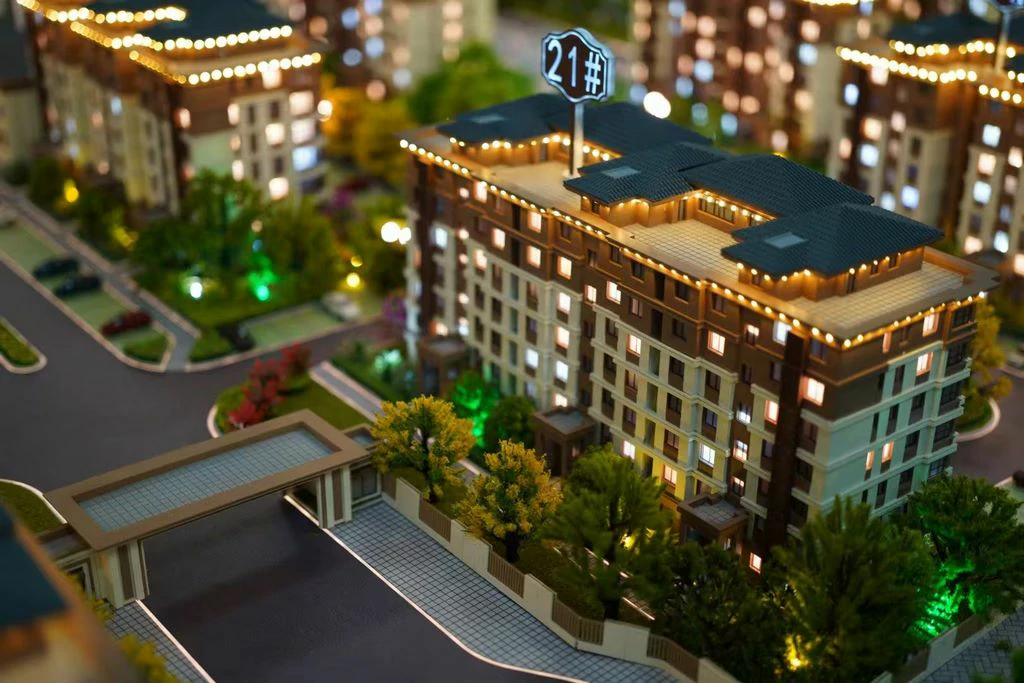
Miniature sand table models are intricate miniature representations of real or imagined landscapes, architecture, and scenarios. This art form combines technical precision with creative storytelling, serving as a powerful tool for scale model enthusiasts, professionals in industrial model design, and educators alike. These detailed sand table model creations capture everything from urban planning concepts to historical reconstructions and fantasy worlds in three dimensions.
The Art of Sand Table Model Creation
Planning and Proportional Design
Creating a sand table model begins with careful planning. First, determine the scale model dimensions and the purpose of your creation – whether it’s for industrial model prototyping, urban planning visualization, or a creative hobby project. Common scale model ratios include 1:500, 1:1000 (popular for scale model architectural presentations), and 1:200 for detailed representations. Once the scale model dimensions are established, create detailed sketches of the base plate, planning road networks, water systems, and architectural elements.
Mastering Terrain Construction
The foundation of any successful sand table model is its terrain. Using materials like high-density foam board, sculpting clay, or plywood, model makers sculpt hills, valleys, and platforms. These base elements are then covered with specialized modeling compounds like gypsum or paper pulp to create natural-looking textures. Precision sanding techniques smooth transitions between different terrain features, creating a visually cohesive landscape.
Adding Detail with Precision
The true magic of sand table model creation emerges through meticulous detailing. This is where 3D printing model components become invaluable. Laser-cut cardstock, acrylic elements, and 3D printed model parts allow for incredible precision in representing architecture, infrastructure, and landscape features. Add authenticity with miniature details – window details, textured walls, realistic vegetation using static grass or dyed sponges, and functional elements like miniature roads or lighting systems.
Bringing Models to Life with Color and Light
A well-executed scale model requires more than just static detail. Strategic use of color creates depth and realism, while lighting transforms daytime scenes into atmospheric nighttime environments. Fine brushes and specialized paints allow for multi-layered coloring that simulates different materials and seasonal changes. Embedding LED lighting systems within buildings or beneath roads creates warm, ambient light that brings the sand table model to life after dark.
Applications of Miniature Sand Table Models
Sand table models serve diverse purposes across multiple fields:
* Architectural visualization for urban planning and real estate development
* Industrial model prototyping for engineering and product design
* Historical reconstruction for museums and education
* Entertainment and gaming as immersive backdrops
* Personal creative projects as unique works of art
The Craft of Sand Table Model Making
Building a miniature world requires patience, precision, and creativity. It demands attention to both macro-level layout and micro-level detail work. The process involves continuous refinement, testing, and improvement – transforming raw materials into a cohesive, immersive miniature world.
The resulting scale model is more than just a physical representation – it’s a tangible snapshot of imagination brought to life. Placed on a desk, these intricate creations invite closer inspection, reminding us that even the smallest scale can contain vast worlds.
Explore the art of miniature creation and discover how these detailed sand table models can bring your visions to life.