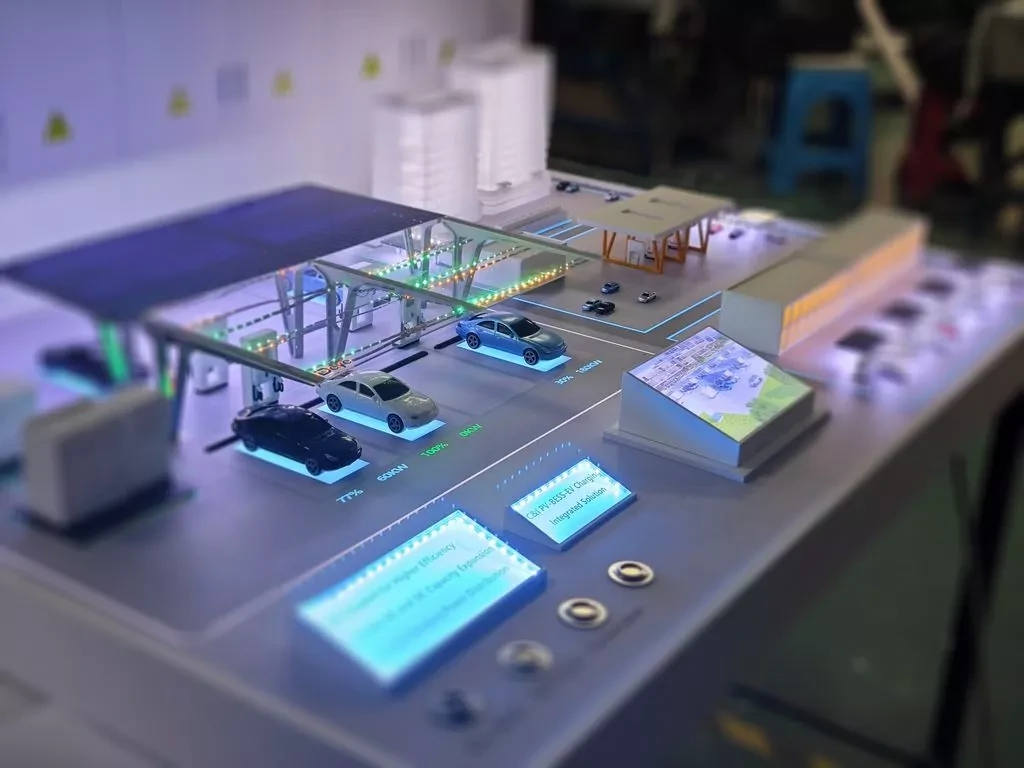
1:50 Production Line Scale Models | Exhibition Traffic Attraction
(Meta Description: Discover how a 1:50 scale production line model effectively drives exhibition traffic at the International Energy Show. Learn about the innovative use of 3D printing models and industrial displays.)
1:50 Scale Production Line Models: Driving Exhibition Traffic at the International Energy Show
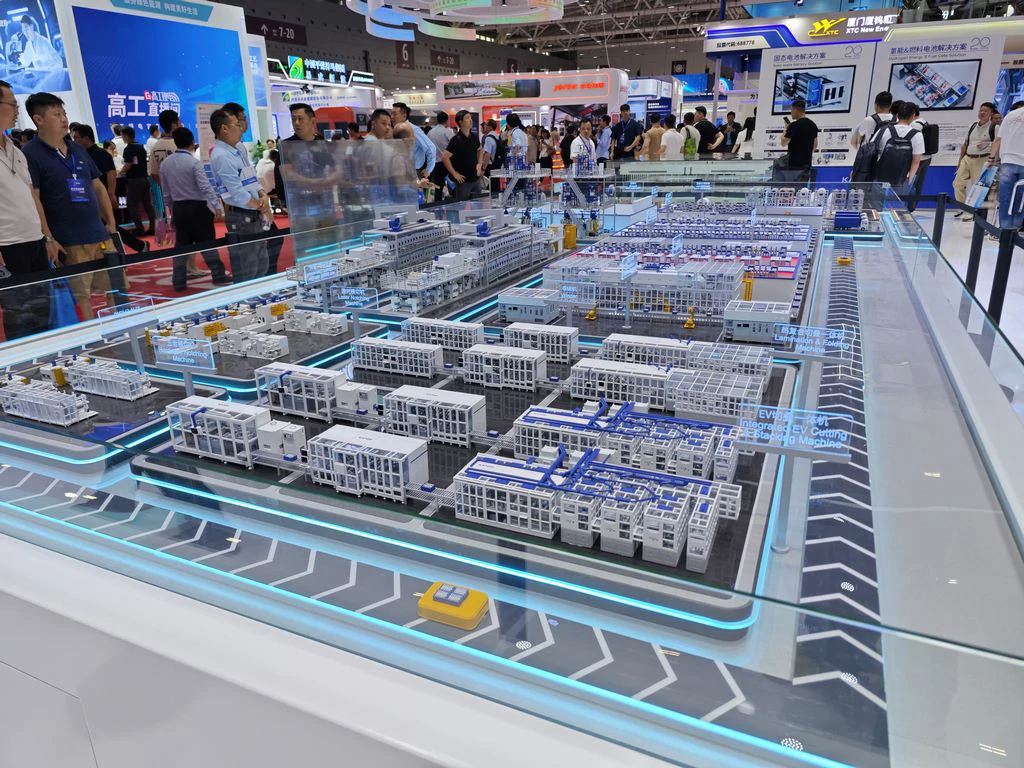
In today’s competitive landscape, exhibitions are vital platforms for companies to showcase their technological prowess and attract potential clients. Their impact extends beyond immediate economic gains, playing a crucial role in enhancing brand visibility and expanding market reach through innovative presentation methods. This case study explores a highly effective strategy employed at a recent International Energy Exhibition: the strategic deployment of a 1:50 scale production line model to generate significant audience engagement.
Understanding the appeal of a 1:50 scale model is key. This specific model represents a reduction of the actual production line to a 1:50 scale. By doing so, it provides visitors with an intuitive and highly simulated understanding of critical aspects, including the operational workflow, key technical features, and overall production efficiency. This sophisticated scale model approach significantly elevates the visitor experience, offering tangible insights that static displays cannot replicate, thereby boosting both brand image and market competitiveness.
How did this 1:50 scale model successfully draw in visitors at the International Energy Exhibition? Its effectiveness stemmed from a powerful combination of innovation and practicality. A primary factor was the utilization of 3D printing model technology. This advanced manufacturing technique allowed for exceptionally fine detailing, ensuring the model’s accuracy and resemblance to real equipment, which greatly enhanced the realism and appeal for attendees.
The design philosophy behind this scale model was meticulously crafted to address the needs of exhibitors. It went beyond merely displaying the production line’s working principle and performance specifications. Interactive elements, such as simulation operation and fault diagnosis demonstrations, were integrated, allowing visitors to gain a deeper, hands-on understanding of the product’s capabilities and advantages. This thoughtful approach successfully captured the interest of both specialized industry professionals and general attendees seeking engaging content.
Furthermore, the 1:50 scale production line model incorporated strong portability. By employing lightweight materials, the model was designed to be easily transportable, enabling interested visitors to take it home for further study or reference. This feature turned the model into a versatile promotional tool, extending its impact beyond the exhibition hall.
The success of this scale model can also be attributed to its alignment with a growing global trend: environmental consciousness. The model was constructed using environmentally friendly materials and processes, reflecting a commitment to sustainability. This eco-conscious approach not only highlighted the company’s responsible values but also resonated well with the audience, earning positive recognition.
In summary, the 1:50 scale production line model achieved impressive results at the International Energy Exhibition through its innovation, practical application, interactive design, portability, and environmentally sound construction. This case exemplifies how a well-crafted industrial model can effectively capture attention and drive traffic. As exhibitions continue to evolve, we anticipate more such innovative displays shaping the industry landscape.