Project Background

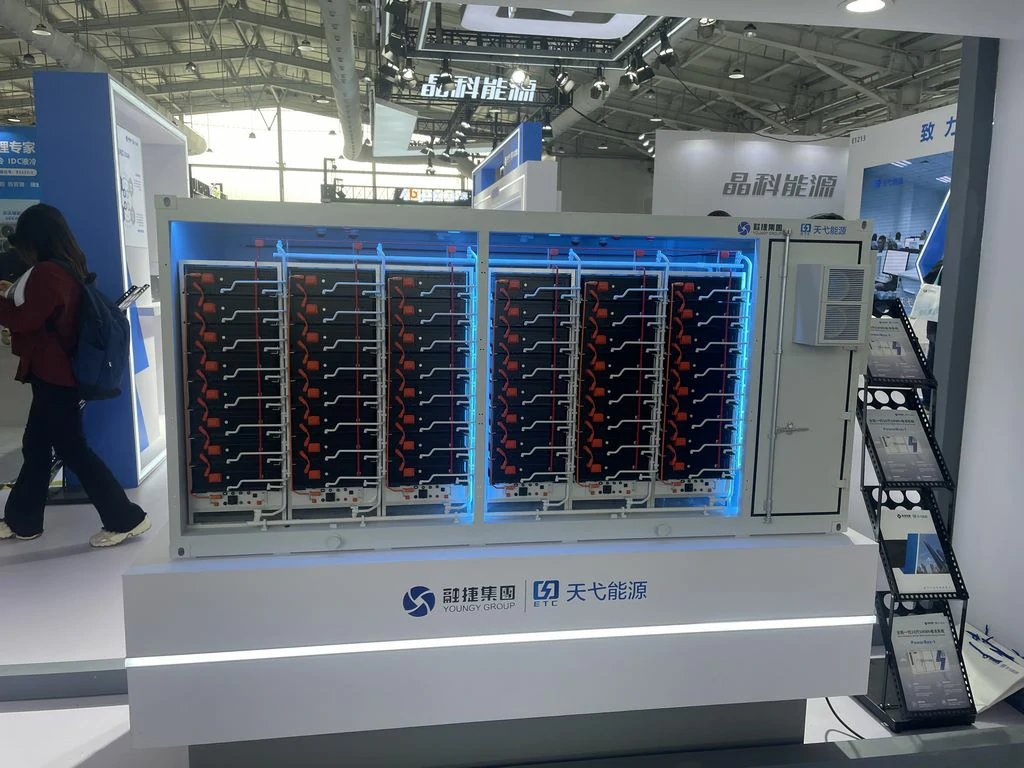
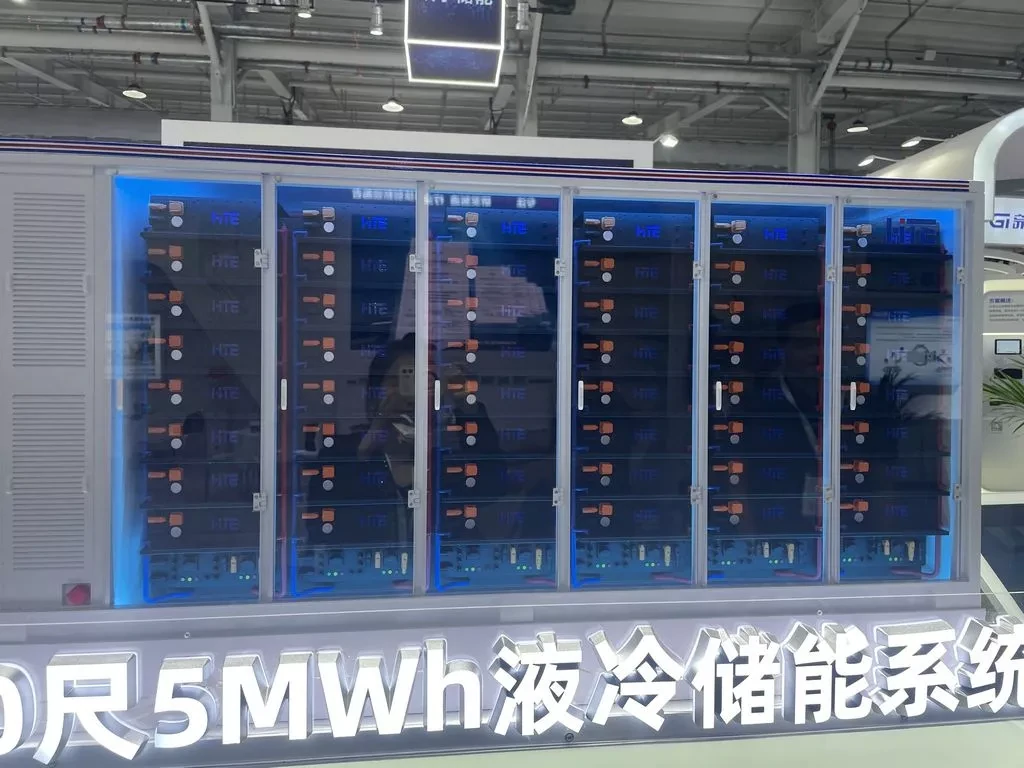
This case study presents the creation of a detailed scale model for the new energy industry. We developed a 1:20 scale container-type liquid-cooled energy storage system sand table model, designed to meet specific client requirements. The model provides a high-fidelity representation of the equipment, accurately capturing its exterior features, piping layout, and cooling structure with over 90% precision.
Core Manufacturing Processes
- Main Structure Formation
We constructed the container frame using laser-cut acrylic panels, with side panel thickness precisely controlled at 2mm to replicate the texture of real steel plates. Internal supports were fabricated using 3D printing model technology with ABS resin, employing optimised support structures to guarantee forming accuracy for thin-walled components (minimum 0.8mm). The top-mounted cooling fan assembly, designed as part of the industrial model, adopted a modular approach, with blades injection-moulded separately before assembly to ensure flexibility of moving parts.
- Liquid Cooling System Replication
Copper capillary tubes were used to simulate cooling pipes, carefully bent into shape after annealing treatment. The cooling storage device housing was crafted from transparent PC material and filled with blue gradient resin to visually represent the coolant state. The pump valve assembly was produced using micro-casting technology, featuring a matte sandblasted surface finish.
- Electrical system details
The battery module array incorporates CNC-engraved bakelite circuit boards, complemented by laser-etched circuit pattern stickers. High-voltage terminals are assembled using silver-plated copper columns and silicone wires. The distribution cabinet door features a magnetic, openable structure, with internal wiring clearly marked using coloured heat-shrink tubing.
Material selection scheme
- Exterior components: ASA engineering plastic
- Transparent components: UV-resistant polycarbonate
- Metal-textured components: CNC-machined aluminium-magnesium alloy parts
- Decorative film: 3M series reflective film
Surface treatment process
- Pre-treatment stage
All components underwent ultrasonic cleaning to remove release agent residues. Joint surfaces received 800-grit water sanding, followed by application of PP primer to enhance adhesion.
- Coating application
The container body utilises electrostatic spraying technology, beginning with a sand texture primer before applying the final topcoat. Warning signs were applied using screen printing technology, while rust effects were achieved through enamel paint staining.
- Final processing
The entire model received a final coat of matte protective paint. Brown staining solution was applied to the seams to enhance three-dimensionality, and the control panel was covered with a 0.1mm acrylic protective film.