Custom Fire Truck Model Factory
Precision Scale Model Production Process

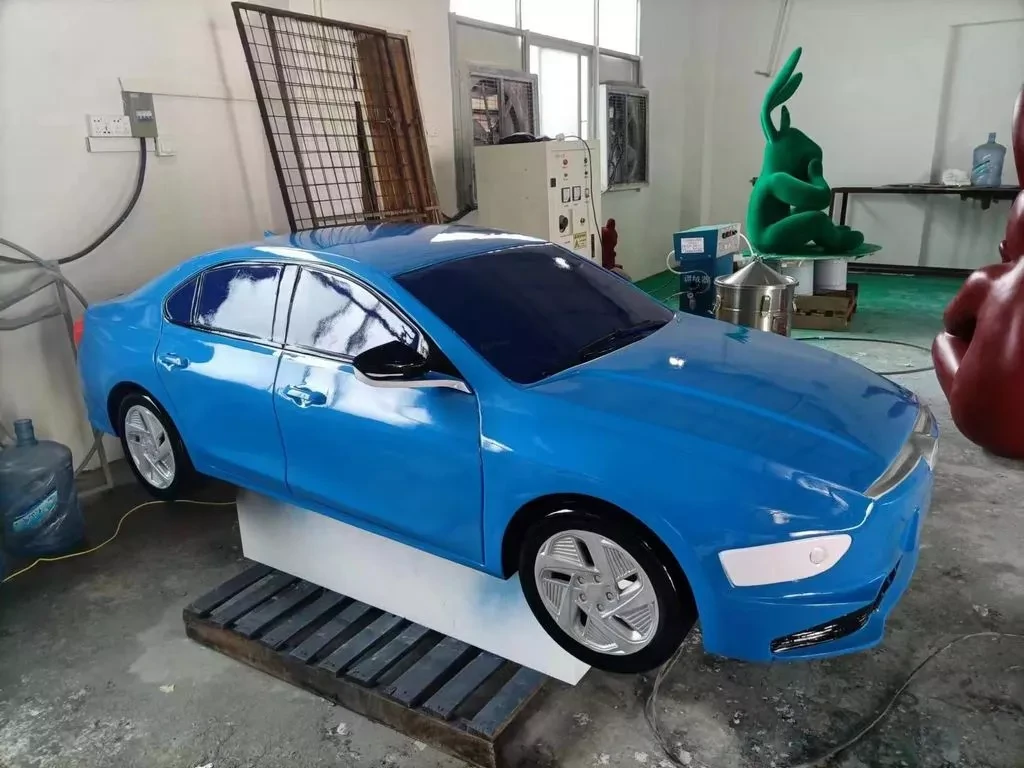
This case study demonstrates the creation of a high-fidelity scale model based on a fire rescue brigade vehicle prototype. Through advanced model making techniques, including 3D scanning and precision engineering, the project achieves exceptional accuracy in reproducing the original vehicle.
1. Project Background and Process Design
This industrial model is a 1:18 scale replica of a fire rescue brigade vehicle. By leveraging 3D printing and traditional manufacturing methods, the engineering team ensures precision in every component.
Key Highlights:
– Scale model production using a 1:18 ratio.
– 3D scanning of the original vehicle to capture precise dimensions.
– Modularized vehicle body structure for efficient assembly.
– Assembly accuracy maintained within ≤0.3 mm tolerance.
– Achieved 90% dimensional accuracy in the final model.
2. Core Production Process
A. Skeleton Casting
Material Selection:
– The main frame is constructed from Zinc Alloy (ZA-12).
– Molten material is poured at 850°C into precision steel molds.
– CNC machining is applied post-casting to correct any deformation.
Structural Reinforcement:
– 304 Stainless Steel sleeves are embedded in high-stress areas (e.g., door hinges and ladder bases).
– This enhances the durability and functionality of moving components.
B. Exterior Component Manufacturing
Injection Molding:
– Transparent polycarbonate (PC) components (e.g., headlight covers) are produced via two-color injection molding.
– Inner layers undergo anti-distortion treatment for optical clarity.
Etched Sheet Application:
– Micro-textured grilles and warning signs are created using 0.2mm brass etched sheets.
– Precision positioning is achieved with cyanoacrylate adhesive.
C. Functional Component Assembly
Ladder System:
– 21 aluminum alloy ladder sections are laser-cut for precise fit.
– Miniature bearings are integrated to ensure smooth extension and retraction.
Rotating Warning Light:
– A 3D-printed resin lampshade incorporates a magnetically controlled rotation mechanism.
– The rotation speed is calibrated to 30 rpm, matching the original vehicle.
3. Surface Treatment Process
Primer Treatment:
– Electrostatic spraying with epoxy primer followed by a 60°C baking process.
– A uniform 0.1mm film layer is formed for enhanced durability.
Color-Separated Spraying:
– Tamiya TS spray cans (Fire Red TS-49 + Matte Black TS-6) are used for precision color masking.
– 0.3mm masking tape ensures clean boundaries during application.
Weathering Effects:
– Enamel paint staining and dry brushing with pastel colors simulate wear and tear.
– Applied to high-stress areas like door handles and exhaust pipes.
Final Output
The completed scale model meets stringent quality standards, combining aesthetic appeal with functional accuracy. This industrial model showcases advanced manufacturing techniques, including 3D printing and precision engineering, making it suitable for both display and functional testing.