Amusement Park Model Manufacturer: Theme Park Scenario Model Production Guidelines
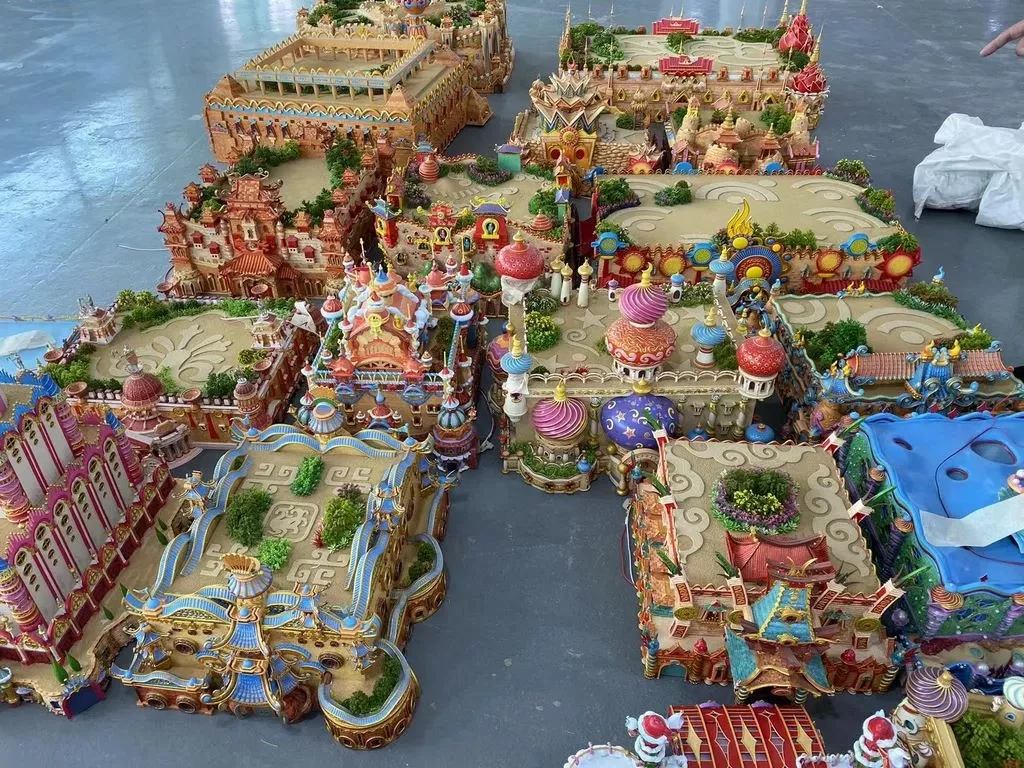
I. Main Facility Construction Process
Large Amusement Rides (Scale Model Focus)
- Roller Coaster: Constructed using 3D printing model technology, printing tracks in sections for easier assembly.
- Ferris Wheel: Features functional cabins capable of free rotation, enhancing the miniature model experience.
- Drop Tower: Incorporates hydraulic lifting structures to mimic the ride’s vertical movement.
- Carousel: Equipped with a music box mechanism for synchronized rotation and sound effects.
Theme Building Complexes (Sand Table Model Elements)
- Castle Spires: Designed with gradient transparency effects to simulate layered architecture.
- Haunted House: Exterior details realistically depict weathered peeling effects for added authenticity.
- Water Park: Surfaces are specially treated to visually represent water reflections and splashes.
- Restaurant Display: Includes miniature tables and chairs arranged for scale model realism.
II. Scene Atmosphere Creation (Industrial Model Techniques)
Lighting System Design
- Streetlights: Utilize warm-toned LED arrays for authentic miniature illumination.
- Facility Outlines: Highlighted with neon lighting to define structures within the sand table model.
- Fireworks Effects: Simulated using fiber optic projection for dynamic visual impact.
- Fountain Features: Employ dynamic lighting to animate water displays in the scale model.
Environmental Detail Treatment
- Road Surfaces: Carefully simulated to show signs of visitor wear and tear, adding realism to the industrial model.
- Green Belts: Feature miniature vegetation planted according to the model’s scale.
- Trash Cans: Designed to replicate the theme park’s official logo, ensuring brand consistency.
- Queue Areas: Enclosed with miniature railings for safety and aesthetic completion.
III. Professional Painting Solutions (Scale Model Finishing)
- Metal Components: Finished with an anodized surface for enhanced durability and resistance.
- Plastic Materials: Treated to simulate UV aging effects, matching real-world degradation in the miniature model.
- Wooden Structures: Showcased with varying texture depths to represent different types of wood and aging.
- Glass Surfaces: Undergo reflective refraction treatment for accurate light behavior in the sand table model.
IV. Specialized Craftsmanship Applications (3D Printing Model & Miniature Detailing)
- Transparent Water Bodies: Utilize layered casting techniques to create convincing miniature water features.
- Character Models: Employ pose freezing techniques to capture specific actions or expressions.
- Food Stall Displays: Feature miniature tableware arranged to represent food items in the scale model.
- Souvenir Shop Windows: Designed with displays showcasing miniature merchandise for the industrial model.
5. Quality Verification System (Scale Model Standards)
- Movable Components: Undergo rigorous 300-cycle durability testing to ensure long-lasting functionality.
- Lighting Systems: Verified for continuous operation up to 72 hours to guarantee reliability in the model.
- Color Compliance: Adheres strictly to the designated theme color chart standards for visual accuracy.
- Critical Dimensions: Subject to secondary dimensional inspection to maintain precision throughout the scale model.
This comprehensive solution is specifically engineered for producing a 1:100 scale theme park sand table model. It delivers an immersive, end-to-end representation from the entrance plaza to each distinct themed zone. All integrated electronic components are CE-certified, and structural elements comply with stringent ASTM toy safety standards, ensuring suitability for professional and educational applications.