Aircraft Model Manufacturer
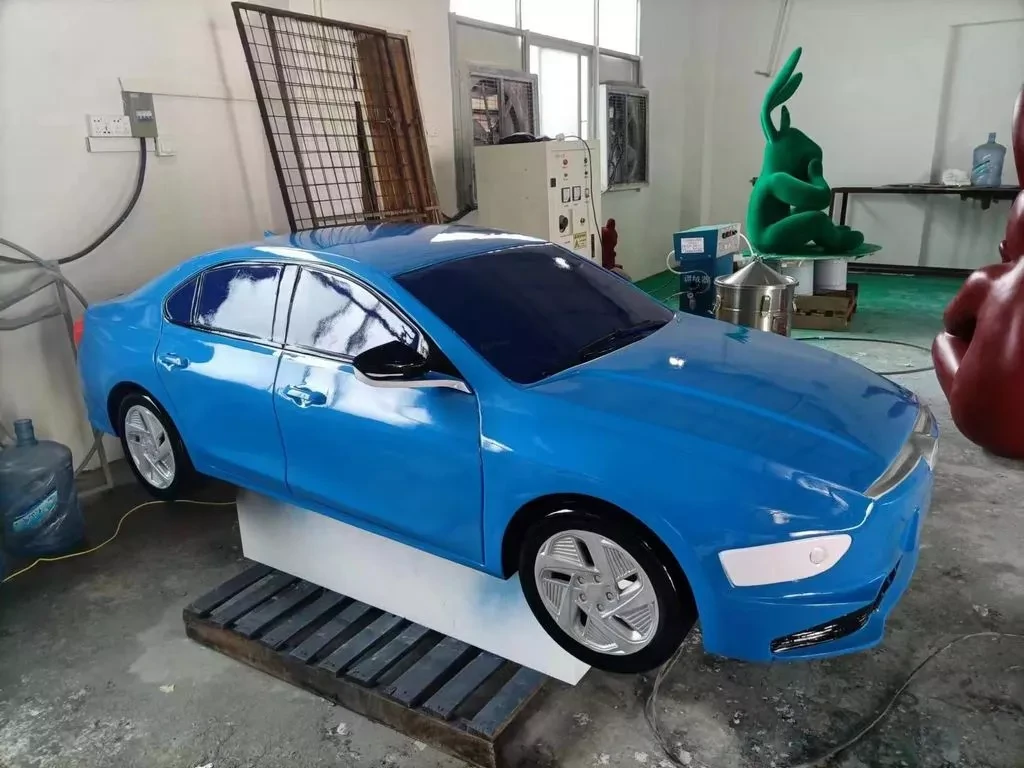
This manufacturer excels in the creation of scale models, sand table models, 3D printing models, and industrial models, including highly detailed aircraft replicas. Our process focuses on meticulous material selection and tooling to achieve exceptional quality.
Preparation of Materials and Tools
We utilize ABS plastic board as the primary structural element, balancing the crucial requirements of lightweight construction with sufficient structural strength for intricate models.
For aerodynamic surfaces, the wing skin employs 0.3mm thick transparent acrylic sheet. This material is precisely manipulated by softening it with a hot air gun and carefully bonding it over the wing beam structure to form a smooth, streamlined surface.
Crafting fine details requires precision. Landing gear components are meticulously hand forged using brass wire. Fasteners, or rivets, are fabricated by cutting 0.8mm diameter copper pipe. For the final surface finish, a specialized mixed system combines Tiangong enamel paint and water-based paint, complemented by professional model liquid covering adhesive for a flawless appearance.
Core Manufacturing Process
Our assembly technique employs a layered “sandwich” method for the main body structure. This begins with assembling the central keel frame and proceeds through the careful layer-by-layer pasting of skin panels. Each layer’s seams undergo seamless bonding using chloroform solvent for a clean, integrated finish. Hatch covers are bonded using UV glue and meticulously polished to a high, transparent state with 4000 grit sandpaper.
Attention to detail is paramount. Specific features like engine heat dissipation grilles are manually carved using a 1mm diameter tungsten steel milling cutter. Air inlet patterns are intricately shaped with a 0.5mm engraving knife at precise 45 degree angles. The carving process maintains a controlled depth of 0.2mm per millimeter of material removed.
For functional accuracy, propeller components undergo dynamic balancing on our specialized motor test bench. This ensures precise calibration, controlling speed deviation within ± 3rpm through strategic addition or removal of weight lead plates.
Artistic Post-Processing
We enhance the model’s realism and character through specialized finishing techniques:
- Authentic Aging: Employing the classic “dry sweeping method,” we establish a silver base color. Subsequent layers build up rust-colored pigments such as earthy yellow and ochre. The process culminates with wiping raised areas using a cotton swab dipped in oil painting black powder, simulating aged patina.
- Optical Clarity: For model cabin glass, a multi-stage spraying process applies Krystal Clear transparent adhesive three times. Each application is followed by a 15-minute drying interval to achieve an optical effect with a precisely matched refractive index of 1.5.
- Battle Damage Simulation: To create realistic battle damage, a 1mm drill bit accurately locates wing bullet holes. A thin copper wire is then heated red-hot and passed through the plastic, followed by meticulous edge decoration with a carving knife to simulate metal tear marks.